Summary:
How Central Vacuum Systems Improve Indoor Air Quality
The air inside your Long Island home contains more pollutants than you’d find outside. Dust mites living in your carpet, pollen tracked in from the yard, pet dander floating through rooms, mold spores from coastal humidity—all of it gets stirred up every time you clean with a traditional vacuum.
Here’s the critical difference: portable vacuums filter some particles but exhaust the rest right back into your living room. Even expensive models with HEPA filters can’t capture everything, and what they miss goes straight into the air your family breathes. A central vacuum system solves this by removing debris completely from your living spaces. The motor sits in your garage or basement, and everything it collects gets vented outside or contained far from where your family lives.
That’s not marketing talk. UC Davis School of Medicine studied this and found that people who switched from portable vacuums to central vacuum systems saw their allergy symptoms improve by 40 to 61 percent. Your indoor air actually gets cleaner because allergens aren’t being recycled back into the rooms you just cleaned.

HEPA Filtration and Allergen Removal Technology
HEPA filtration captures particles as small as 0.3 microns with 99.97% efficiency. That includes the allergens causing your symptoms—dust mite waste, pollen grains, pet dander, and mold spores. Most people don’t realize how small these particles are or how easily they become airborne.
When you vacuum with a portable unit, even one with a HEPA filter, you’re creating a temporary dust storm. The vacuum picks up debris from the floor, but the exhaust blows microscopic particles into the air where they stay suspended for hours. You breathe them in while you’re cleaning and long after you’ve put the vacuum away. Your furniture, curtains, and bedding collect what falls back down, and the cycle continues.
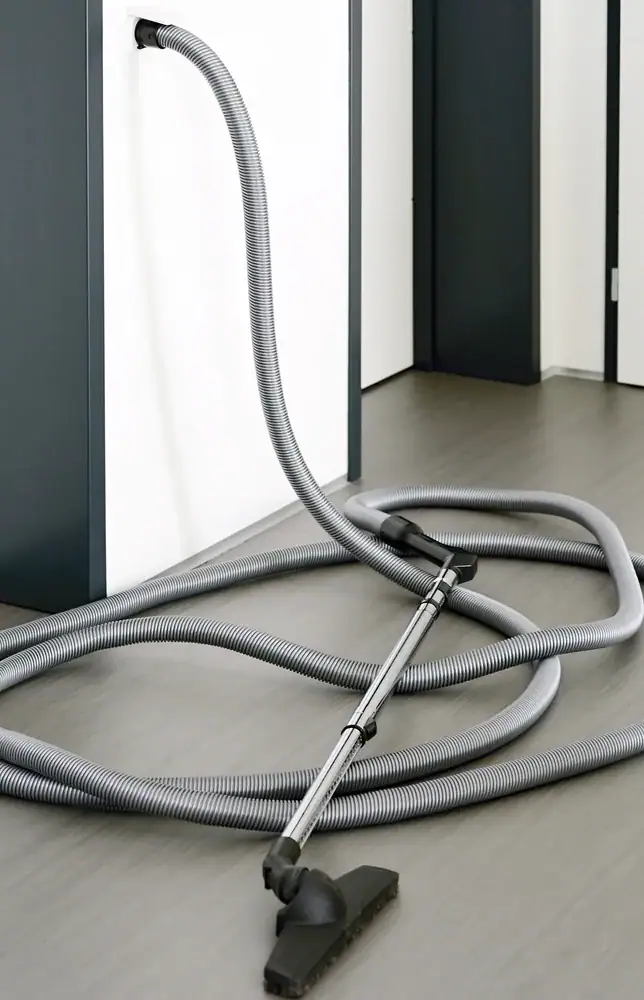
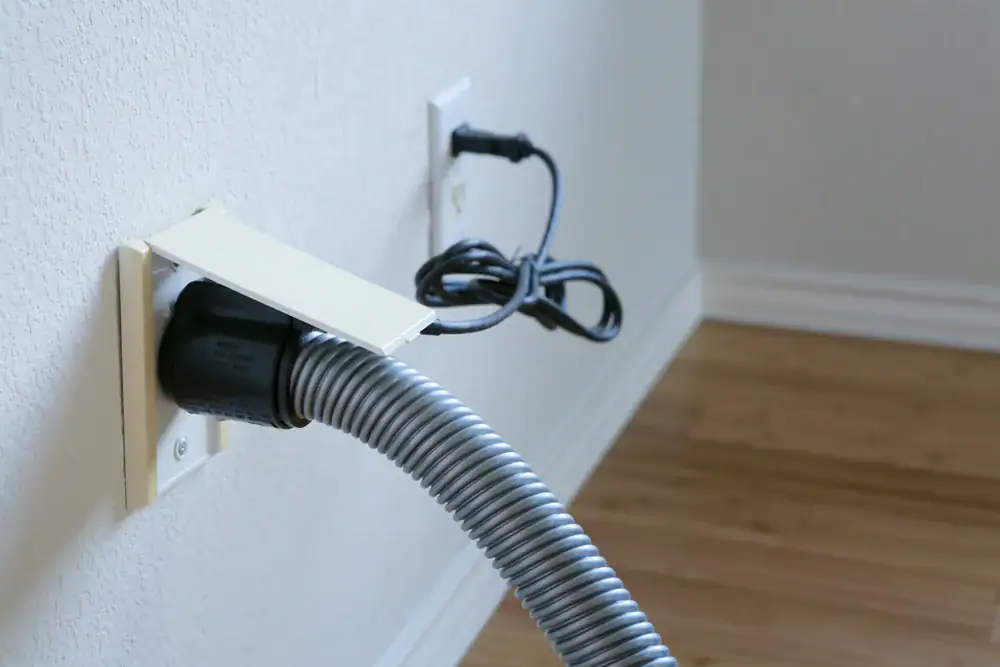
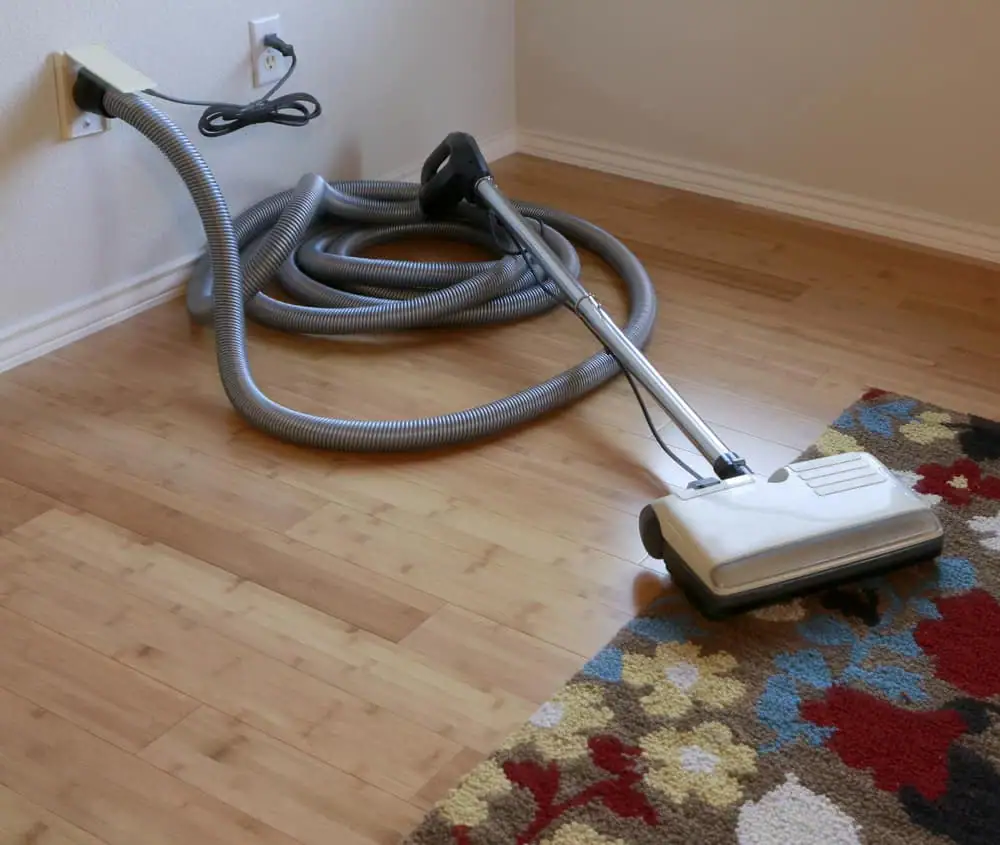
Central vacuum systems with HEPA filtration work differently. The suction pulls everything through pipes hidden in your walls, transporting allergens away from your living areas. The powerful motor—typically three times stronger than portable models—ensures deep cleaning that removes embedded particles from carpets and upholstery. Because the filtration and exhaust happen in your garage or outside, those captured allergens never re-enter your breathing space.
Long Island’s environment makes this especially important. Ragweed pollen peaks in fall. Coastal humidity encourages mold growth. Older homes trap these pollutants in their tightly sealed, energy-efficient construction. A central vacuum doesn’t just clean surfaces—it actively removes the indoor air pollutants that trigger respiratory problems. That’s the difference between looking clean and actually being clean.
The technology also means less exposure during cleaning. With portable vacuums, you’re standing right next to the exhaust, breathing in whatever escapes the filter. With a central vacuum, the motor noise and exhaust stay in the basement while you work in quiet comfort upstairs. People with asthma or severe allergies notice the difference immediately.
Dust Mite Removal and Respiratory Health Benefits
HEPA filtration captures particles as small as 0.3 microns with 99.97% efficiency. That includes the allergens causing your symptoms—dust mite waste, pollen grains, pet dander, and mold spores. Most people don’t realize how small these particles are or how easily they become airborne.
When you vacuum with a portable unit, even one with a HEPA filter, you’re creating a temporary dust storm. The vacuum picks up debris from the floor, but the exhaust blows microscopic particles into the air where they stay suspended for hours. You breathe them in while you’re cleaning and long after you’ve put the vacuum away. Your furniture, curtains, and bedding collect what falls back down, and the cycle continues.
Central vacuum systems with HEPA filtration work differently. The suction pulls everything through pipes hidden in your walls, transporting allergens away from your living areas. The powerful motor—typically three times stronger than portable models—ensures deep cleaning that removes embedded particles from carpets and upholstery. Because the filtration and exhaust happen in your garage or outside, those captured allergens never re-enter your breathing space.
Long Island’s environment makes this especially important. Ragweed pollen peaks in fall. Coastal humidity encourages mold growth. Older homes trap these pollutants in their tightly sealed, energy-efficient construction. A central vacuum doesn’t just clean surfaces—it actively removes the indoor air pollutants that trigger respiratory problems. That’s the difference between looking clean and actually being clean.
The technology also means less exposure during cleaning. With portable vacuums, you’re standing right next to the exhaust, breathing in whatever escapes the filter. With a central vacuum, the motor noise and exhaust stay in the basement while you work in quiet comfort upstairs. People with asthma or severe allergies notice the difference immediately.
Long-Term Value of Central Vacuum Installation
A central vacuum system costs more upfront than buying another portable vacuum. But looking at upfront cost alone misses the bigger picture. These systems last 20 years or more with minimal maintenance. Portable vacuums need replacement every 8 to 10 years, sometimes sooner if you have pets or large spaces to clean.
Do the math on replacement cycles, and the central vacuum pays for itself. Then add the health benefits—fewer doctor visits, less money spent on allergy medications, better sleep quality for your family. Factor in the increase to your home’s resale value, which can add around $2,000 according to manufacturers and real estate professionals. The National Association of Realtors notes that homes with central vacuum systems are easier to sell.
Professional installation takes about a day for most homes. The system integrates into your existing structure without requiring major renovations. Pipes run through basements, attics, or crawl spaces. Inlet valves get installed in strategic locations so a standard 30-foot hose reaches every area. You get whole-house coverage without the hassle of lugging equipment from room to room.
Indoor Air Pollutants in Long Island Homes

The EPA ranks indoor air pollution as one of the top five environmental risks to public health. That’s not about industrial areas or cities with smog problems—it’s about the air inside your home. One cubic foot of indoor air can contain more than 30 million pollutants, which is 100 times more concentrated than outdoor air.
Long Island homes face specific challenges that make this worse. Spring brings tree pollen from oaks, maples, and birches. Summer means grass pollen. Fall delivers ragweed, which can travel for miles on sea breezes and affect even homes without nearby vegetation. Winter traps everything inside when you seal up against the cold. Your energy-efficient windows and insulation keep your heating bills down but also prevent pollutants from escaping.
Older homes in Nassau and Suffolk counties add another layer of complexity. Settled dust in wall cavities, aging HVAC systems that circulate particles, and accumulated allergens in original carpeting all contribute to poor indoor air quality. You can’t see these pollutants, but you feel their effects—scratchy throat in the morning, headaches that won’t quit, constant fatigue that doctors can’t explain.
Traditional cleaning methods don’t address this effectively. Dusting with a cloth just moves particles from one surface to another. Portable vacuums pick up visible debris but miss the microscopic allergens causing your symptoms. Air purifiers help but can’t capture everything, especially particles that have settled into carpet and upholstery.
A central vacuum tackles the problem at its source. The powerful suction pulls pollutants out of carpets, drapes, and furniture where they accumulate. The sealed system transports everything through pipes to a collection point far from your living areas. Nothing gets blown back into the air. Nothing settles on surfaces you just cleaned. The pollutants leave your home instead of circulating through it.
This matters especially for families with young children or elderly relatives. Their respiratory systems are more vulnerable to indoor air pollutants. Chronic exposure can trigger asthma development in children or worsen existing conditions. Adults with allergies find their symptoms becoming more severe over time when they’re constantly exposed to allergens at home. Removing these pollutants consistently makes a measurable difference in daily quality of life.
Why HEPA Filtration Matters for Allergy Relief
HEPA stands for High-Efficiency Particulate Air, and it’s not just a marketing term. True HEPA filters must meet strict standards—they trap 99.97% of particles that are 0.3 microns or larger. To put that in perspective, a human hair is about 70 microns wide. The allergens triggering your symptoms are far smaller and easily become airborne.
Pollen grains range from 10 to 100 microns. Mold spores are 3 to 40 microns. Dust mite waste particles can be as small as 10 microns. Pet dander averages 2.5 microns. All of these pass through standard vacuum filters and get exhausted back into your home. Even vacuums labeled “HEPA-style” or “HEPA-like” don’t meet the actual standards and won’t capture these particles effectively.
A central vacuum with genuine HEPA filtration captures these allergens and keeps them captured. The system’s design means filtered air exhausts in your garage or outside, not back into your living room. This creates a one-way flow—allergens get pulled out of your home and stay out. Over time, the total allergen load in your house decreases significantly because you’re not just moving particles around.
Allergy relief from HEPA filtration isn’t immediate, but it’s dramatic. The first week after installation, you might not notice much difference because allergens already in your home take time to remove completely. By week two or three, most people report sleeping better. Mornings become easier without the constant congestion. Sneezing fits become less frequent. After a few months, many families realize they’re using less allergy medication or skipping it entirely on days that used to be unbearable.
The respiratory health benefits extend beyond allergies. Asthma sufferers experience fewer attacks when their homes have lower allergen levels. Children with eczema see their skin improve when they’re not constantly exposed to dust mites and pet dander. Adults with chronic sinus issues find relief they couldn’t get from medications alone. These outcomes happen because HEPA filtration in a central vacuum system actually removes the triggers instead of just filtering some of them.
Long Island residents deal with year-round allergen exposure. Spring tree pollen transitions to summer grass pollen, then fall ragweed, then winter indoor allergens from heating systems and trapped air. There’s no break. A central vacuum with HEPA filtration gives you a tool that works consistently, regardless of season, to maintain cleaner indoor air. That consistency is what produces lasting allergy relief rather than temporary symptom management.
Making the Right Choice for Your Home's Air Quality
Indoor air quality isn’t about luxury—it’s about health. Your family spends most of their time inside your home, breathing whatever air is there. When that air contains dust mites, pollen, pet dander, and mold spores, their bodies react with allergies, asthma, and respiratory problems that affect daily life.
A central vacuum system removes these pollutants instead of recirculating them. HEPA filtration captures microscopic allergens. Powerful suction pulls embedded particles from deep in carpets and furniture. Outdoor venting or remote collection means allergens leave your living spaces permanently. The result is measurably cleaner air and clinically proven allergy relief that can improve symptoms by up to 61 percent.
The investment makes sense from every angle—health benefits, long-term cost savings, increased home value, and the simple convenience of easier cleaning. Long Island’s unique environment demands effective solutions for indoor air quality. We have the experience and expertise to design and install a system that protects your family’s respiratory health for decades to come.