Summary:
You vacuum the same carpet three times and debris is still visible. Your allergies flare every time you clean. The vacuum you bought six months ago already feels weaker than when it was new.
There’s a better way to clean your Nassau County home, but the gap between what central vacuum manufacturers promise and what systems actually deliver is wider than most homeowners realize. Some systems genuinely transform how clean your home feels. Others are expensive installations that disappoint from day one.
This breakdown shows you which central vacuum systems justify their cost, what professional installation actually runs in Nassau County, NY, and how to match motor power and filtration to what your home truly needs. Let’s start with what separates systems that perform from those that just sound impressive.
What Makes Central Vacuum Systems Actually Worth the Investment
The best central vacuum systems share three characteristics that cheaper alternatives consistently fail to deliver. First is sustained suction power—not inflated marketing numbers, but actual air watts when the system runs and the canister is half full. Quality units maintain 3 to 5 times the suction of portable vacuums throughout their 20-year lifespan.
Second is genuine allergen removal, not just filtration. The motor sits in your garage or basement with exhaust venting outside your living space. Everything you vacuum leaves your home permanently instead of recirculating through filters that still release microscopic particles back into the air you breathe.
Third is professional installation and long-term durability. Poorly designed piping or an undersized motor creates problems no amount of maintenance fixes. The best systems are engineered for your specific square footage, installed by technicians who understand airflow dynamics, and built with components that last decades instead of requiring replacement every few seasons.
Top Central Vacuum System Brands and Models for 2026
DuoVac, DrainVac, NuTone, Beam, PurVac, and Cana-Vac consistently rank among reliable manufacturers, but specific models within each brand vary significantly in performance and value. The DuoVac Air 10 handles homes up to 6,500 square feet with hybrid filtration that works with or without bags. It generates 694 air watts with notably quiet operation and fits in tight installation spaces while delivering power that outranks most portable vacuum motors.
DrainVac’s Cobra series features robust metal motors generating 800 air watts with 160 CFM and 149 inches of waterlift. These systems excel where deep carpet cleaning and pet hair removal are daily requirements. The HEPA filtration captures particles down to 0.3 microns—particularly effective for allergy sufferers who need more than surface-level cleaning.
For larger Nassau County, NY homes, OVO’s systems offer 700 airwatts covering up to 7,500 square feet. Hybrid filtration lets you choose between disposable bags and washable permanent filters based on your maintenance preferences. Soft start-stop technology extends motor life by 20% while reducing operational noise—helpful when you’re vacuuming while others are home.
Electrolux, Galaxie, and Cana-Vac represent the premium tier with ultra-quiet models and self-cleaning filters that reduce maintenance frequency. Beam vacuums feature large-capacity buckets requiring less frequent emptying. NuTone’s Pure Power systems combine superior suction with advanced filtration that captures allergens other systems miss.
The brand matters less than matching motor power, filtration type, and canister capacity to your actual square footage and cleaning needs. A 2,000 square foot home with hardwood floors has different requirements than a 4,000 square foot home with wall-to-wall carpeting and three dogs.
When evaluating specific models, look past marketing specifications to actual air watts under load, filter replacement costs and frequency, canister capacity relative to your home size, and whether the manufacturer offers genuine local service support. A powerful system from a brand with no authorized technicians in Nassau County, NY creates problems when you need repairs.
Central Vacuum Performance Compared to Traditional Portable Vacuums
The performance gap isn’t subtle. Central vacuum systems deliver 3 to 5 times more suction because the motor doesn’t need to be compact or lightweight. It can be larger, more powerful, and designed for sustained operation without overheating.
That translates to carpets that actually look cleaner, hardwood floors that stay dust-free longer, and fewer passes over the same spots hoping to pick up what you missed. Traditional portable vacuums create a problem most homeowners don’t realize exists—they recirculate fine particles back into your air through exhaust vents. That familiar “vacuum smell” after cleaning is recycled air filled with dirt, bacteria, and mold that couldn’t be completely filtered out.
Central vacuum systems eliminate this by transporting all debris through in-wall piping to a collection unit in your garage or basement. The exhaust vents outside, not back into your living areas. For Nassau County, NY homes where spring pollen, summer humidity, and fall ragweed create year-round allergen challenges, this isn’t a minor upgrade.
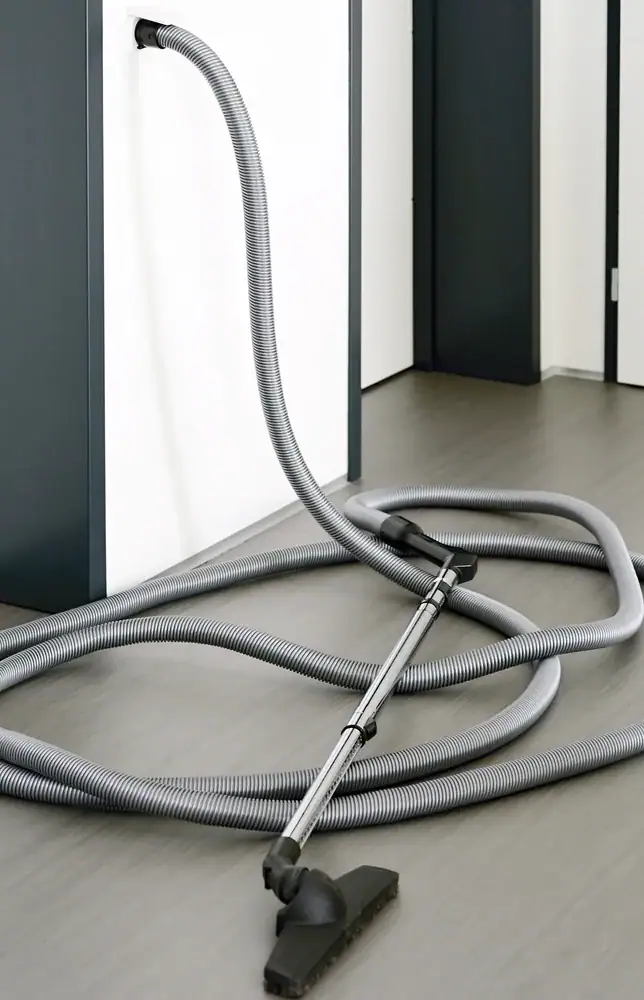
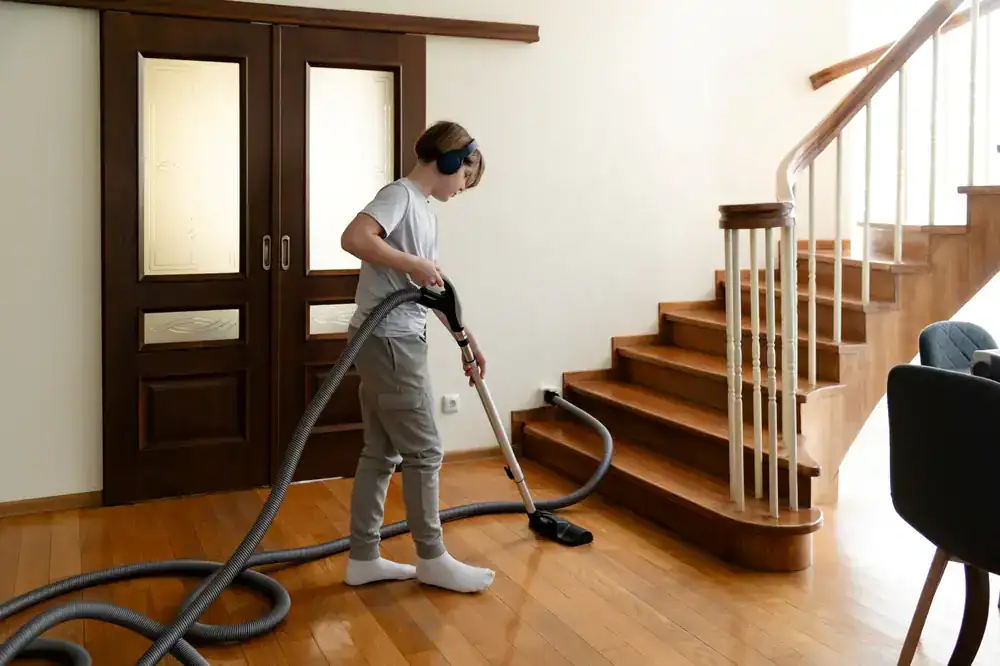
The convenience factor matters too. You’re carrying a lightweight hose and attachments instead of a 15 to 25-pound vacuum unit up stairs, around furniture, and from room to room. No cords to trip over or constantly unplug and replug. No bags to change every few weeks. The canister in your garage might need emptying once or twice a year depending on your home size.
Noise reduction is immediate and obvious. The motor runs in your garage or basement, so the only sound in your living space comes from air flowing through the hose. You can vacuum while others are watching television, working from home, or sleeping without disruptive racket.
The lifespan difference is equally dramatic. Portable vacuums typically need replacement every 3 to 5 years with regular use. Belts break, motors burn out, plastic components crack, and suction gradually weakens until you’re back shopping for another unit. Quality central vacuum systems last 20-plus years when properly maintained, and maintenance usually means emptying the canister and occasionally replacing filters.
Central Vacuum System Cost: What You'll Actually Pay in Nassau County, NY
Understanding what you’ll actually pay requires looking past equipment cost to the complete installation investment. For a typical 2,000 square foot Nassau County, NY home, professional installation ranges from $1,500 to $2,500 including the power unit, piping, inlet valves, hose, and labor.
Larger homes or complex layouts with multiple stories can push costs toward $3,000 to $3,500. The equipment itself—power unit, hose, attachments, and basic installation kit—typically runs $400 to $2,000 depending on motor power, filtration type, and brand. Labor adds another $400 to $1,500, with retrofitting existing homes costing more than new construction because technicians route piping through finished walls, attics, or crawl spaces without creating damage requiring drywall repair.
Central Vacuum System Installation Cost Breakdown and Pricing Factors

Installation costs in Nassau County, NY reflect both work complexity and local labor rates. For homes under 2,000 square feet, labor typically runs $500 to $700. Larger homes requiring more inlet valves, longer piping runs, and complex routing can see labor costs exceed $1,000. Multi-story homes cost more than single-story layouts because installation requires more vertical piping.
New construction installations are simpler and less expensive because piping runs before walls are framed. You’re looking at the lower end of cost ranges when the system is part of initial building. Retrofitting an existing home requires more labor—technicians route pipes through attics, basements, or crawl spaces, then connect to strategically placed inlet valves without tearing apart your finished walls.
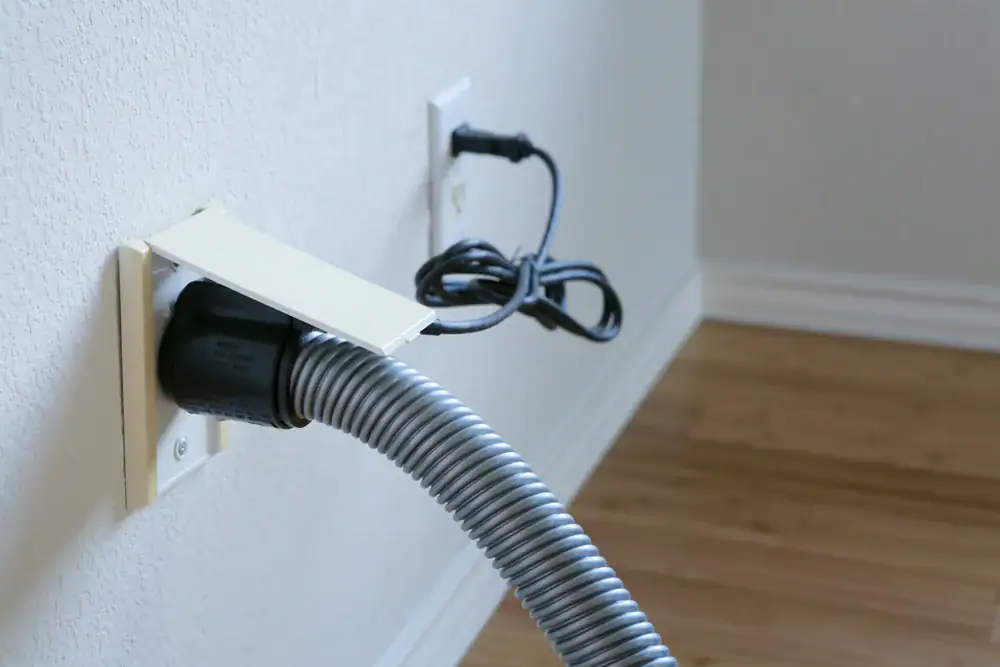
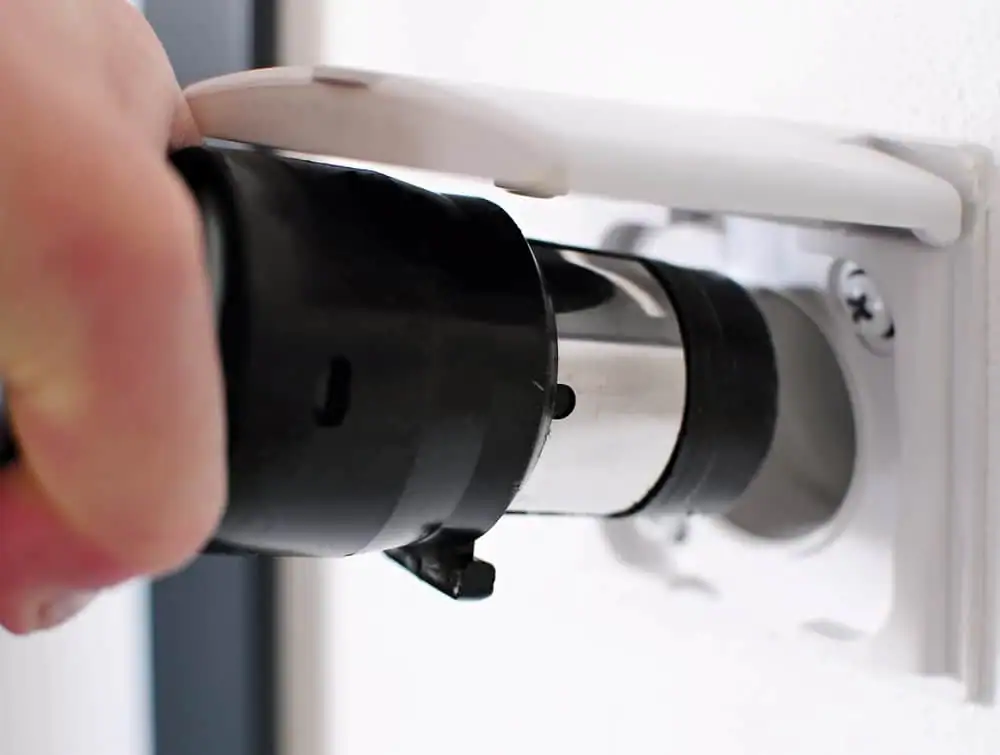
Professional installers can complete this work without creating holes that need drywall repair beyond the small opening covered by the inlet valve plate. The power unit needs placement within three feet of an electrical outlet with at least eight inches of clearance from the ceiling for ventilation. Most Suffolk and Nassau County homes have basements or garages that work perfectly.
Several factors directly impact your final central vacuum system price. Home size determines how many inlet valves you need and how powerful the motor must be to maintain suction throughout the piping network. Each additional inlet valve adds $130 to $300 to the total.
System type matters—cyclonic systems cost less upfront but may require more maintenance, while filtered systems have higher equipment costs but lower long-term maintenance requirements. Hide-A-Hose retractable systems add $175 to $1,000 but eliminate hose storage hassles.
Additional costs include accessories beyond the basic kit. Pet hair attachments run $10 to $135. Automatic dustpan inlets that let you sweep debris directly into the system cost $100 to $250. Hose storage cabinets add another $100.
Some Nassau County, NY municipalities require permits for central vacuum installation, especially if electrical modifications are involved. Professional electricians charge $50 to $120 per hour for any wiring work not included in the installer’s scope.
The investment makes more sense when you compare it to replacing portable vacuums every few years. A $300 to $500 portable vacuum replaced every 3 to 5 years adds up to $1,500 to $2,500 over 15 years—roughly the same as a central vacuum installation that lasts 20-plus years while delivering dramatically better performance.
Hide-A-Hose Retractable Central Vacuum Systems Explained
Hide-A-Hose systems solve the one complaint most homeowners have about central vacuums—dealing with a long hose between cleaning sessions. The retractable hose stores inside your wall piping using the system’s own suction power.
When you need to vacuum, you pull out the length you need from the inlet valve. When you’re finished, the suction retracts the hose back into the wall completely out of sight. No storage closet needed, no hose to coil and carry from room to room.
Each Hide-A-Hose inlet contains its own hose ranging from 30 to 60 feet depending on your home layout. A single 50-foot inlet can cover nearly 2,300 square feet, which means you need fewer inlet valves than traditional installations that use 30-foot hoses. Fewer inlets translates to lower installation costs and faster cleaning since you’re not constantly unplugging and moving to the next valve.
The system uses special long-sweep elbows and fittings that allow the hose to travel smoothly through standard 2-inch PVC piping hidden in your walls. Installation requires access to an attic or crawl space but doesn’t require tearing into finished walls beyond the inlet valve openings.
The mechanism is elegantly simple—no motors or moving parts in the wall that can break down. The suction from your central vacuum power unit does all the work of retracting the hose. Hide-A-Hose can be retrofitted into existing central vacuum systems if you have available attic or crawl space for the additional piping runs.
We evaluate your current power unit and tools for compatibility, then integrate the retractable system into your existing setup. The cost ranges from $125 to $700 per valve depending on hose length and installation complexity, but the convenience often justifies the investment for homeowners who use their central vacuum regularly.
Long Island homes with finished basements benefit from including a Hide-A-Hose inlet on that level during initial planning. It’s easy to overlook basement coverage when mapping out your system, then realize later you have no convenient way to vacuum that entire floor.
Finding the Right Central Vacuum System for Your Nassau County, NY Home
The best central vacuum system for your home matches motor power and filtration capacity to your actual square footage, flooring types, and specific cleaning challenges. A 2,000 square foot home with minimal carpeting needs different capabilities than a 4,000 square foot home with wall-to-wall carpeting and pets.
Start by honestly assessing what you’re trying to solve. If allergies are the primary concern, prioritize systems with true outdoor venting and HEPA filtration rated to capture particles down to 0.3 microns. If convenience matters most, Hide-A-Hose retractable systems eliminate the hose storage hassle. If you’re dealing with heavy pet hair or tracked-in beach sand, focus on motor power and canister capacity that can handle high-volume debris without constant emptying.
Professional installation makes the difference between a system that performs as designed and one that underdelivers from day one. Proper pipe sizing, strategic inlet placement, and motor selection based on your specific layout aren’t things you can reliably DIY.
For Nassau County, NY homeowners ready to move past portable vacuums that don’t actually clean, we bring over 50 years of specialized central vacuum expertise to homes throughout Long Island.