Summary:
Your central vacuum system has been running strong for years. Then one day, you notice the suction isn’t what it used to be. Maybe there’s a strange noise coming from the power unit, or the hose feels heavier than usual. You’re wondering if it’s time for a replacement—or if there’s a smarter fix.
Most central vacuum issues don’t require ripping out the entire system. Motors wear out. Hoses crack. Accessories get outdated. But knowing which parts to replace, when to upgrade, and when a full replacement actually makes sense can save you thousands. Let’s start with the heart of your system.
Central Vacuum Motor Replacement: When Your System Needs a New Heart
The motor is what makes your central vacuum work. When it starts failing, you’ll know. Reduced suction is usually the first sign—your carpets aren’t getting as clean, and you’re making multiple passes over the same spot. Then come the noises: grinding, squealing, or rattling sounds that weren’t there before.
Motors typically last 10 to 15 years with regular use. Heavy use, lack of maintenance, or a clogged system can shorten that lifespan. If you’re smelling burning odors or noticing the unit overheating, shut it down immediately. That’s not something to ignore.
The question isn’t whether your motor can be replaced—it’s whether it should be. A new motor runs between $100 and $300, plus another $100 or so if you need to replace filters or carbon brushes at the same time. Add labor if you’re not doing it yourself, and you’re looking at $200 to $800 total.

Should You Replace the Motor or Buy a New System?
Here’s where homeowners in Nassau County, NY get stuck. You’re about to drop $400 on a motor replacement for a system that’s 15 years old. The hose is cracked. The power head barely turns. Your cleaning tools are from another decade.
Do the math before you commit. If your accessories are shot, you’re adding another $200 to $400 for a new hose and attachment kit. Now you’re at $600 to $800—and you still have an old power unit with outdated filtration. A complete new system with modern features starts around $1,100 to $2,200 installed.
New systems offer true cyclonic filtration, better energy efficiency, and warranties that cover you for 5 to 10 years. If your current unit is bagged or uses old filter technology, you’re missing out on cleaner air and stronger suction. The decision gets clearer when you factor in what you’re actually getting for your money.
Think about your home’s needs too. Older Nassau County homes with additions or renovations might have piping layouts that don’t match current usage. If you’re constantly dealing with clogs in certain areas or uneven suction between rooms, the problem might not be the motor—it could be the system design. Replacing just the motor won’t fix that.
Consider this: if the motor is the only thing wrong and your accessories are in good shape, replacement makes sense. If you’re looking at multiple repairs, outdated tools, and a system that’s been disappointing you for a while, it’s time to explore what’s available now. Central vacuum technology has come a long way. LED screens, efficiency monitoring, and filtration systems that actually keep allergens out of your air are standard on newer models.
The “just fix it” instinct is understandable. But sometimes the smarter move is to upgrade to something that won’t need fixing again for another 20 years.
How Motor Replacement Actually Works
If you’ve decided motor replacement is the right call, here’s what you’re dealing with. It’s not complicated, but it does require some mechanical comfort and the right replacement motor for your specific unit.
First, you’ll need to identify your current motor. Most central vacuums use Lamb Ametek motors, which are industry standard across almost every brand. The model number is stamped right on the motor itself. You’ll need to access the motor compartment—usually a few screws on the bottom or side of the power unit.
Safety first. Unplug the unit or flip the breaker. Disconnect any low-voltage wires running to the unit. Remove the motor compartment cover, and you’ll see the motor sitting on a gasket. There are typically two or three wires connected to it and a few mounting screws or bolts holding it in place.
The old motor lifts out once you’ve disconnected everything. If there’s an exhaust coupling attached, remove that too—you’ll need it for the new motor. Clean off the old gasket material from the compartment. Your new motor should come with a fresh gasket; place it on the motor with the sticky side down.
Before you bolt everything back together, test the motor. Spin the fan inside by hand to make sure nothing’s scraping. Once it’s seated properly, reconnect the wires (polarity doesn’t matter on these motors), secure the mounting hardware, and close up the compartment. Plug it back in and test at one of your wall inlets.
The whole process takes about 30 minutes to an hour if you know what you’re doing. If you’re not comfortable working with electrical components or accessing tight spaces, hire someone who is. A bad installation can damage the new motor or create safety issues. And if your unit is still under warranty, unauthorized work might void that coverage—something worth checking before you start taking things apart.
Upgrading Accessories and Attachments for Better Performance
Your motor might be fine. But if you’re still using the same hose, power head, and tools that came with the system 10 or 15 years ago, you’re not getting the performance you could be.
Hoses crack, handles break, and cleaning heads wear out faster than the system itself. Modern accessories are lighter, more durable, and designed for the way people actually clean. Ergonomic handles reduce hand fatigue. LED lights on power heads let you see what you’re vacuuming. Improved brush patterns grab more dirt in fewer passes.
Upgrading your accessories isn’t just about replacing broken parts—it’s about making your system work better. And in many cases, it’s the difference between being frustrated with your central vacuum and actually enjoying using it.
Central Vacuum Head Replacement: Modern Cleaning Power
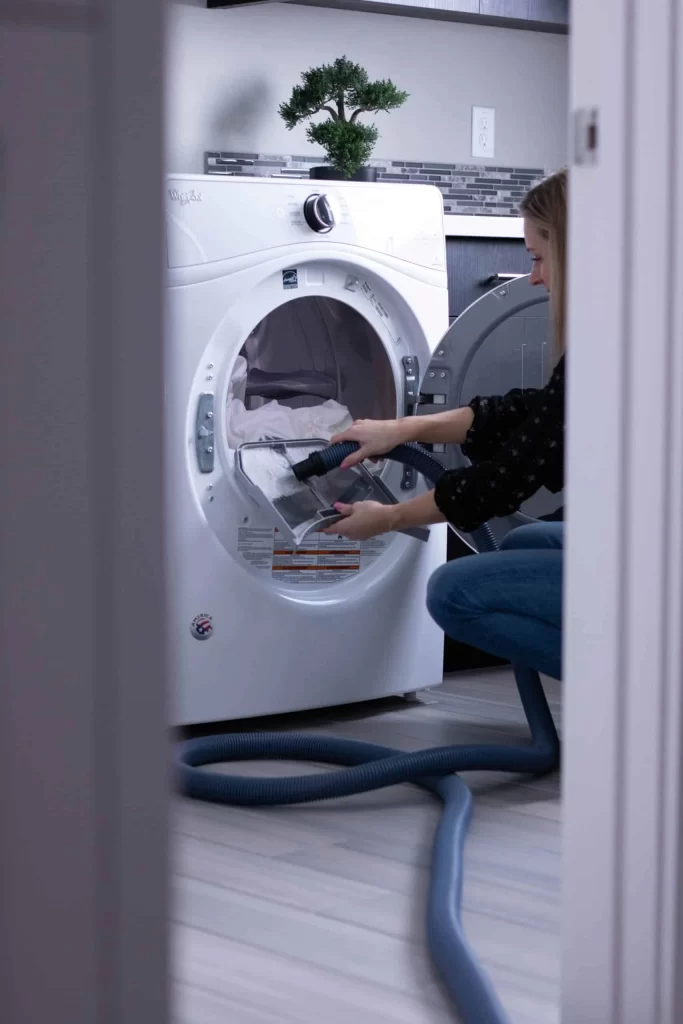
The cleaning head is where your central vacuum meets your floor. If it’s not doing its job, nothing else matters. Old power heads lose suction over time. Brushes wear down. Belts stretch. The height adjustment stops working. You end up pushing harder and getting less done.
New electric power heads offer variable height settings that work on everything from plush carpet to low-pile rugs. Three-level carpet height adjustment is standard now, and it makes a real difference on dense carpeting that older heads just can’t handle. Bright LED headlights aren’t just a nice feature—they let you see dust and debris you’d otherwise miss, especially under furniture or in corners.
Air-driven heads are still an option if your system doesn’t support electric attachments. TurboCat-style heads use your vacuum’s suction to spin a turbine that powers the brush roller. They’re effective for hard floors and light carpet cleaning, quieter than electric models, and don’t require any electrical connections through your hose.
The right head depends on what you’re cleaning. If you have mostly hardwood or tile, an air-driven brush or even a basic floor tool might be all you need. Homes with wall-to-wall carpet, pets, or high-traffic areas benefit from electric power heads with strong brush action that gets deep into fibers.
Compatibility matters. Most modern heads use standard 1.25-inch fittings, but some systems require specific connections. If you’re upgrading to an electric head and your current hose doesn’t have electrical wiring, you’ll need a new hose too—something to factor into your budget. Dual-voltage hoses carry both power and control signals, letting you run electric tools and control the system from the handle.
Don’t just replace a broken head with the same model you had. Look at what’s available now. Better brush design, improved airflow, and features like swivel necks and edge cleaning make newer models worth the upgrade. You’ve already invested in a whole-house vacuum system. Get the full benefit by using tools that actually perform.
Central Vacuum Handle Replacement and Hose Upgrades
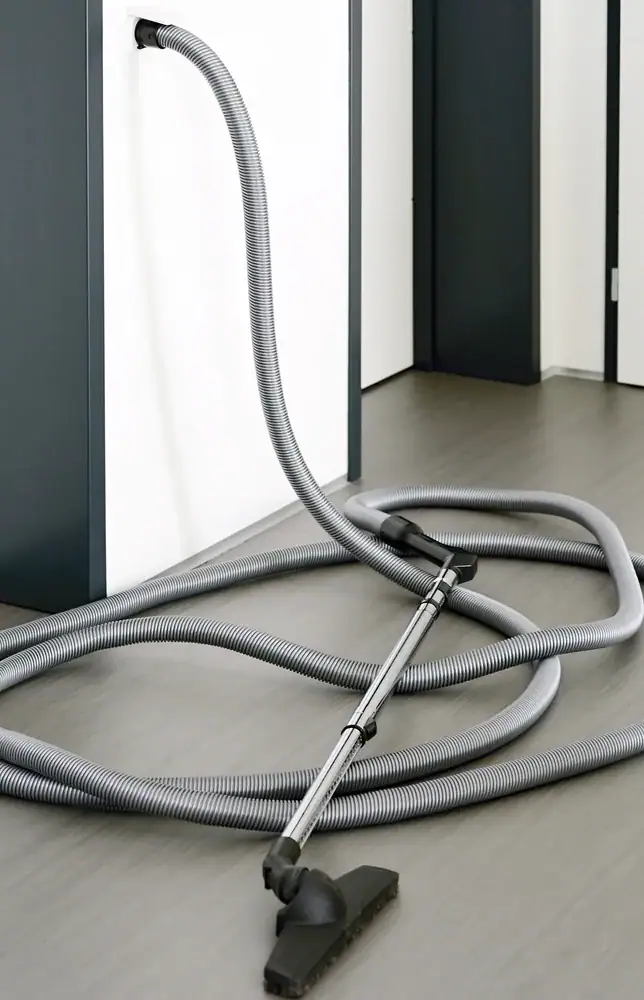
Your hose takes more abuse than any other part of your central vacuum. It gets dragged around corners, run over by furniture, and stuffed into closets. Handles crack, switches fail, and the hose itself develops holes or loses flexibility. When that happens, you’re losing suction before it even reaches the cleaning head.
Hoses typically need replacement every three to seven years depending on use. A new hose runs $100 to $250, but it’s not just about fixing what’s broken. Modern hoses are lighter, more flexible, and crush-proof. Swivel handles with 360-degree rotation reduce strain on your wrist and make it easier to maneuver around furniture.
Handle design has come a long way. Gas pump-style handles fit comfortably in your hand and put the on/off switch right where your thumb naturally rests. Some handles include variable suction control, letting you dial down power for drapes or upholstery and crank it up for deep carpet cleaning. If you’re tired of walking back to the wall inlet every time you need to turn the system on or off, RF (radio frequency) handles let you control everything from wherever you’re working.
Hose length matters more than you might think. A 30-foot hose is standard, but if you have a large home or high ceilings, a 35-foot hose gives you more reach without needing to switch inlets as often. Just make sure your system has enough power to maintain suction over the longer distance—older or lower-powered units might struggle.
If you’re dealing with a cracked handle or broken switch, you don’t always need a whole new hose. Replacement handles and switch assemblies are available for most hose types. It’s a cheaper fix if the hose itself is still in good shape. But if you’re replacing the handle anyway, consider whether upgrading to a better hose at the same time makes sense.
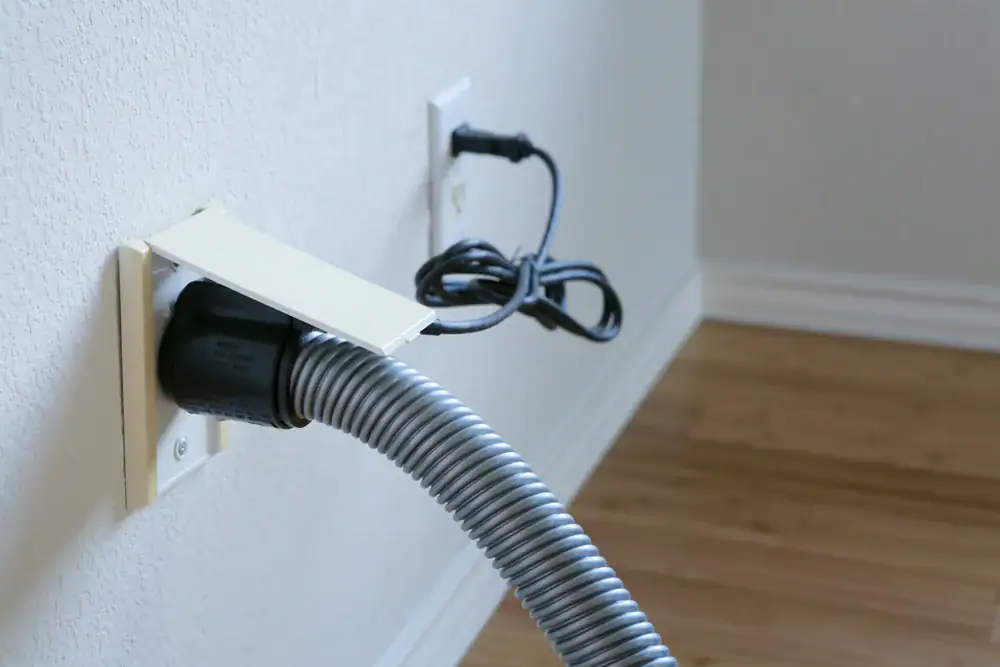
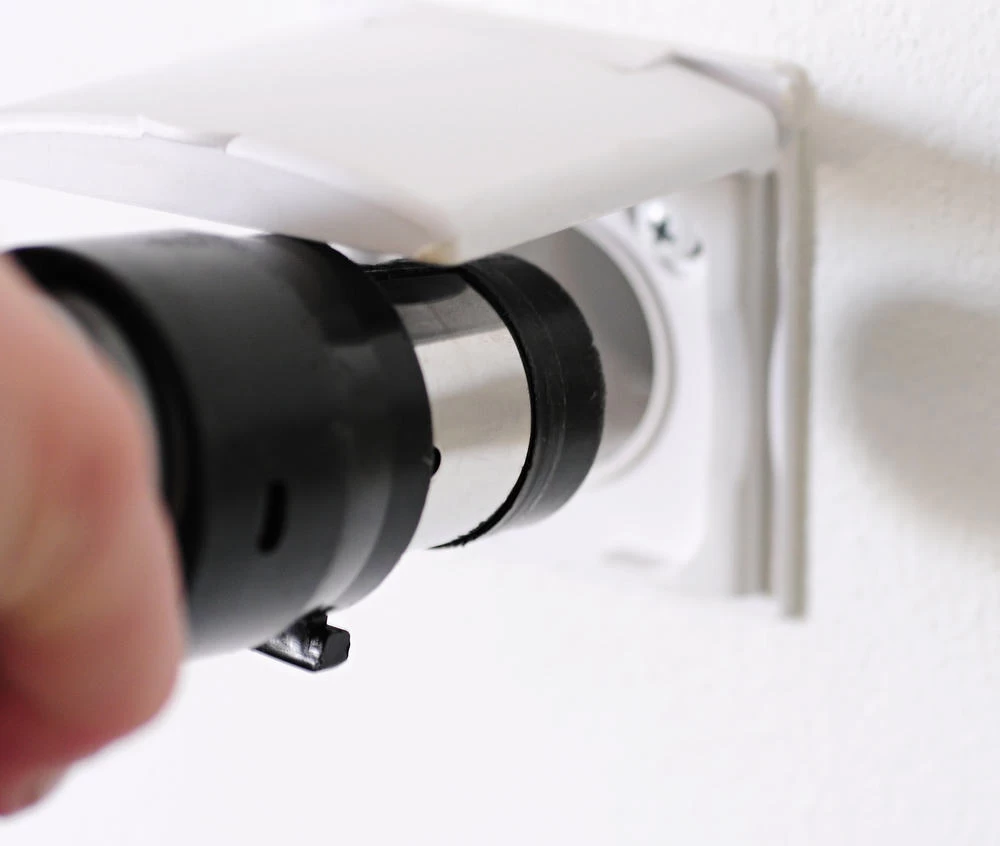
One upgrade worth serious consideration: Hide-A-Hose retractable systems. The hose stores inside your wall and retracts automatically when you’re done. No more dragging a 30-foot hose around or finding a place to store it. Pull out as much as you need, clean, and let the suction pull it back into the wall. It can be retrofitted into existing systems without tearing open walls, using drop ceilings, attics, or garages for the installation. If hose storage has always been a pain point, this solves it completely.
Don’t underestimate how much a good hose and handle improve your experience. You’re using this equipment every time you clean. Comfort, control, and reliability aren’t luxuries—they’re what make the difference between a system you actually use and one you avoid because it’s frustrating to deal with.
Making Smart Decisions About Your Central Vacuum System
Central vacuum systems are built to last decades, but that doesn’t mean every component will. Motors wear out. Accessories break. Technology improves. The key is knowing when to repair, when to upgrade, and when replacement actually makes sense.
If your system is under 10 years old and the only issue is a worn motor or broken accessory, repair is usually the smart move. If you’re looking at multiple problems, outdated technology, and components that are all reaching end-of-life at the same time, a new system gives you better performance, modern features, and years of worry-free operation.
Don’t make the decision based on what seems cheapest right now. Factor in what you’re actually getting, how long it will last, and whether it solves the real problem or just patches it temporarily. And if you’re in Nassau County, NY and want someone who knows central vacuum systems inside and out, we’ve been doing this for over 50 years at DuraVac. We’ll tell you what actually needs to be done—not what we want to sell you.