Summary:
November arrives and you’re suddenly vacuuming twice as often. Extra guests. Holiday meals. Kids tracking in leaves and mud. Your central vacuum system handles it all—until it doesn’t. The worst time to discover weak suction or a failed hose is the morning before Thanksgiving dinner. Fall maintenance isn’t about perfection. It’s about making sure your system works when you actually need it. Here’s what Nassau County homeowners should check before the holiday rush begins.
Fall Central Vacuum System Maintenance: Holiday Prep Checklist
Your central vacuum doesn’t care that you’re hosting 15 people next week. It just responds to how well you’ve maintained it.
Fall is when you catch small issues before they become expensive repairs. A filter that’s 80% clogged still works—just not well enough for two months of heavy holiday use. A hose with a small crack loses suction gradually until one day it quits completely.
The goal isn’t becoming a central vacuum expert. It’s spending an hour now instead of three hours on the phone with repair companies in late December. Most checks take less time than watching a sitcom.

Testing Suction Power at Every Inlet Before Holiday Season
Walk through your house and plug the hose into every inlet. Not just the ones you use regularly—all of them.
Each inlet should deliver immediate, strong suction. If one feels weaker than the others, you’ve got a problem somewhere in that line. Could be a blockage in the central vacuum piping. Could be a loose connection. Either way, you want to know about it now, not when you’re cleaning before guests arrive.
Pay attention to whistling sounds or air leaks when the hose connects to the wall. That’s air escaping instead of creating suction. Sometimes it’s just a worn gasket on the inlet valve—simple fix. But if you don’t catch it, that inlet becomes useless during your busiest cleaning weeks.
Test with actual debris if possible. Drop some dirt or pet hair near each inlet and watch how the central vacuum system picks it up. Strong, immediate pickup means everything’s working. Hesitation or weak pull means something needs attention.
The inlets in high-traffic areas matter most during holidays—kitchen, hallways, main living spaces. These are where you’ll clean most often. If any of those feel off, that’s your priority repair.
Don’t assume everything’s fine just because the system turns on. Suction loss happens gradually. You might not notice a 20% drop in performance until you’re cleaning up after a holiday party and realize it’s taking twice as long as it should.
Central Vacuum Filter Replacement Schedule and Motor Protection
Filters cost $30. Motors cost $300+. That’s why you replace filters on schedule.
Most central vacuum filters need replacement every three to six months depending on system usage. If you can’t remember your last filter change, you’re overdue. Disposable filters maintain better suction than washable versions and should be replaced two to three times yearly for peak performance.
A clogged filter forces your motor to work harder pulling air through the system. That extra strain shortens motor lifespan and can cause overheating. When dirt and debris bypass a worn filter, they damage the motor directly—turning a $30 filter into a $300+ motor repair.
Check your filter visually. If it looks dirty or discolored, it’s done. If it’s been over six months since replacement, swap it out regardless of appearance. Fall is ideal timing because you’re about to put your whole house vacuum system through its busiest season.
Some central vacuum systems have multiple filters—a primary catching larger particles and secondary for fine dust. Know which type your system uses and keep spares available. Running out of filters mid-season means either ordering and waiting or running without proper filtration. Neither works.
Motors need airflow to stay cool. When filters clog, airflow drops, temperatures rise, and components wear faster. You might not notice immediately, but you’ll definitely notice when the motor fails the week between Christmas and New Year’s when every service company is backed up with emergency calls.
Empty your dirt canister or replace your bag while you’re at it. A full canister reduces suction like a clogged filter does. Most homeowners should empty two to four times yearly—if you’re doing it less, your central vac might not be picking up what it should.
Central Vacuum System Maintenance: Professional Service Benefits
Some central vacuum maintenance you handle yourself. Some you shouldn’t attempt.
Professional central vacuum system maintenance catches what you’ll miss. Our technicians test electrical connections, measure actual suction levels at each inlet, inspect internal components for wear, and identify problems before they cause failures. We’ve serviced thousands of systems and know what normal wear looks like versus what’s about to break.
Annual professional service typically costs $100-$150. Emergency repairs average over $300 and run much higher when major components fail. The math is simple—preventive maintenance costs less than fixing things after they break, especially when you factor in the inconvenience of a non-working system during your busiest weeks.
Scheduling fall service makes sense for Nassau County homeowners. You’re preparing for increased usage, we aren’t backed up like we will be in December, and you have time to address issues before you need the system working perfectly.
Nassau County Central Vacuum Cleaning Service: When to Call Professionals

You know something’s wrong. The question is whether you fix it yourself or call someone who does this professionally.
Reduced suction you can’t trace to a clogged filter or full canister needs professional diagnosis. The problem could be anywhere—blocked pipes inside walls, failing motor, electrical issues with low-voltage wiring, or damaged components you can’t easily access.
Strange noises signal trouble. Central vacuums run quieter than portable units. If yours suddenly sounds different—louder, grinding, rattling—that’s not self-correcting. Motors don’t improve over time. Unusual sounds mean something’s wearing out or already damaged.
Systems that won’t turn on, shut off randomly, or have intermittent power point to electrical problems. Low-voltage wiring runs throughout your home connecting each inlet to the power unit. Diagnosing which connection failed requires specialized knowledge and equipment. This isn’t a YouTube repair.
If dust blows back into your home instead of being captured, your filtration failed. Could be a torn filter, improper installation, or exhaust venting problems. Either way, you’re circulating dust instead of removing it, defeating the entire purpose of central vacuum systems.
Long Island’s environment creates specific challenges. Homes near beaches deal with sand infiltration damaging motors and clogging filters faster than normal. Properties close to water face humidity and salt air accelerating corrosion on metal components. We work in Nassau County regularly and understand these regional issues and know how to address them.
Professional central vacuum cleaning service includes more than fixing what’s broken. We clean components you can’t easily reach, lubricate moving parts, test system performance against manufacturer specs, and recommend maintenance for optimal operation. We catch small problems—a connection starting to loosen, a gasket beginning to wear—before those issues cause actual failures.
Central Vacuum Hose Inspection and Replacement Timing
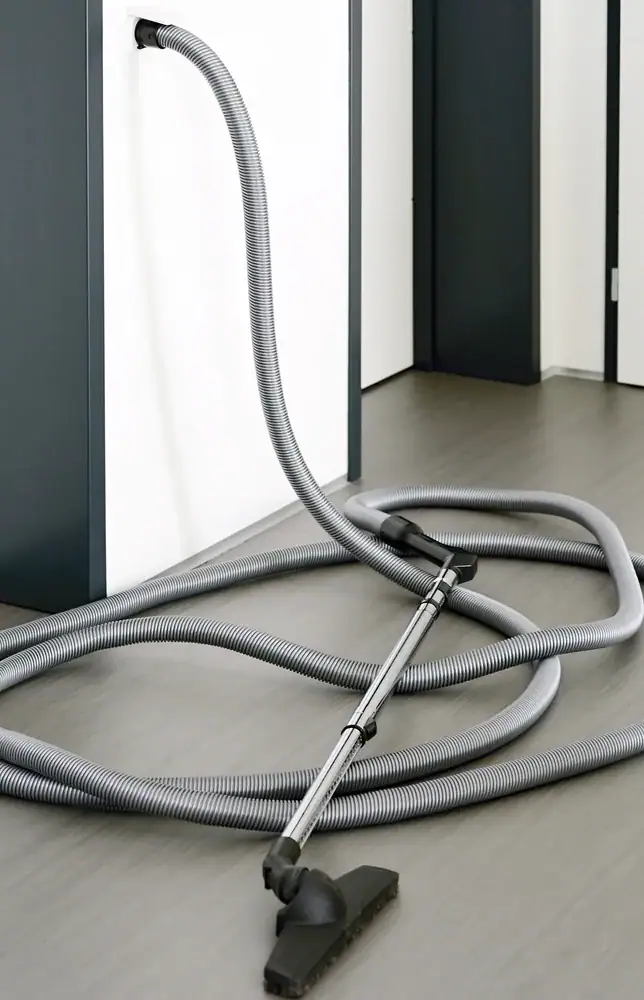
Hoses take more abuse than any other central vacuum component. They get walked on, pulled against furniture, bent around corners, and occasionally suck up things they shouldn’t.
Check your hose for visible damage—cracks, punctures, worn spots where outer layers are breaking down. Even small damage affects performance. A tiny crack doesn’t seem significant until you realize it’s letting air in instead of maintaining suction, forcing your system to work harder for weaker results.
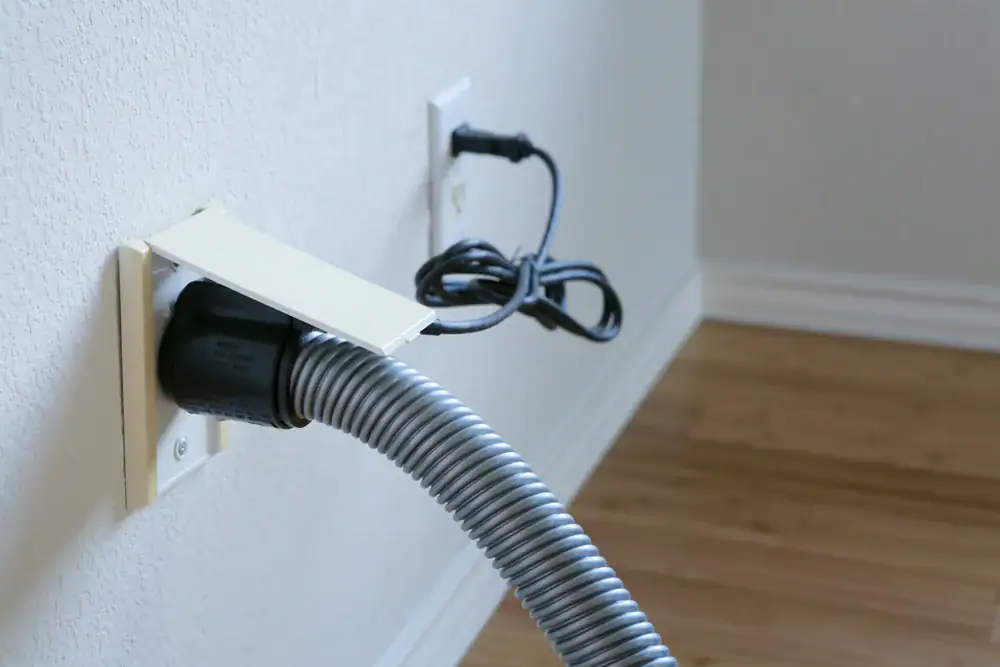
Test hose connections. Plug into an inlet and check if the connection feels secure. Loose connections mean air leaks and reduced suction. Sometimes the problem is the hose end itself—the cuff can wear out or crack over time. Other times it’s the inlet valve needing attention.
Run your hand along the entire hose length while it’s under suction. You’ll feel air escaping from holes or cracks that aren’t immediately visible. This takes minutes but tells you definitively whether your hose still does its job properly.
Listen for sound changes when using the system. A hose with leaks makes distinct whistling or hissing as air pulls through the damage. If your vacuum sounds different from what you remember, inspect the hose carefully.
Switch assemblies on low-voltage hoses can fail after years of use. If your system won’t turn on when you flip the hose handle switch but works fine when manually started at the power unit, the switch assembly is likely the culprit. These can often be replaced without buying an entirely new hose, but you need correct diagnosis.
Hoses last significantly less time than main systems. Where your central vacuum power unit might run strong for 20+ years, hoses typically need replacement every several years depending on usage and care. That’s normal wear, not poor quality.
Before holiday season is smart timing for replacing questionable hoses. A hose “working okay” in October might fail completely in December when you’re using it daily. Replacement hose cost is minimal compared to frustration of failure during your busiest weeks.
If you’re unsure whether your hose needs replacing, plug it directly into the utility inlet on your power unit. This bypasses all in-wall piping. If suction is strong there but weak at wall inlets, the problem isn’t your hose—it’s somewhere in ductwork. If suction is weak even at the power unit, your hose is the issue.
Preparing Your Nassau County Home for Holiday Cleaning Season
Fall central vacuum maintenance isn’t complicated. Test your inlets. Replace your filters. Inspect your hose. Address anything that doesn’t feel right.
Systems that fail during holidays usually showed warning signs weeks earlier—signs that got ignored because everything was “working well enough.” Well enough in October isn’t the same as reliable in December when you’re cleaning daily and don’t have time for equipment problems.
Professional service catches what you miss and fixes problems before they interrupt your holiday season. If your system shows any reduced performance, unusual sounds, or inconsistent operation, fall is the time to address it. We’ve served Nassau County homeowners for over two decades with same-day service, transparent pricing, and technicians who understand Long Island’s specific central vacuum challenges. Get your system checked before the holiday rush starts.