Summary:
You’re looking at central vacuum systems for your Nassau County home, and the first question that comes up is always the same: what’s this actually going to cost?
It’s a fair question. You’ve probably seen price ranges online that vary wildly, from under a thousand to well over three grand. Maybe you’ve called a company or two and gotten vague answers that don’t help you budget.
Here’s what you need to know about central vacuum system costs in 2026 for Long Island homes. We’re talking real numbers, what drives them up or down, and whether the investment actually makes sense for your situation.
Central Vacuum System Price: Long Island Installation Costs
For most Nassau County homeowners, a complete central vacuum installation runs between $1,200 and $3,000 for homes under 3,000 square feet. That’s equipment, labor, and everything you need for a functioning system.
The national average sits around $1,583, but Long Island pricing tends to run slightly higher due to regional labor rates and the cost of doing business in the area. If you’re in a larger home or want premium features like a Hide-A-Hose retractable system, expect costs closer to the upper end or beyond.
Here’s the thing about pricing: it’s not arbitrary. The cost breaks down into specific components, and understanding what you’re paying for helps you evaluate quotes and make informed decisions about your installation.
Whole House Vacuum Cost Breakdown
The power unit is your biggest single expense, typically running $500 to $1,500 depending on capacity and brand. This is the motor that sits in your garage or basement and does all the heavy lifting. Larger homes need more powerful units, which cost more upfront but deliver the suction you need at every inlet.
Installation labor accounts for another $500 to $2,000 of your total cost. This varies significantly based on your home’s layout and whether you’re retrofitting an existing structure or installing during new construction. Labor rates in Nassau and Suffolk counties typically range from $50 to $120 per hour, though we often quote flat fees based on home size and complexity.
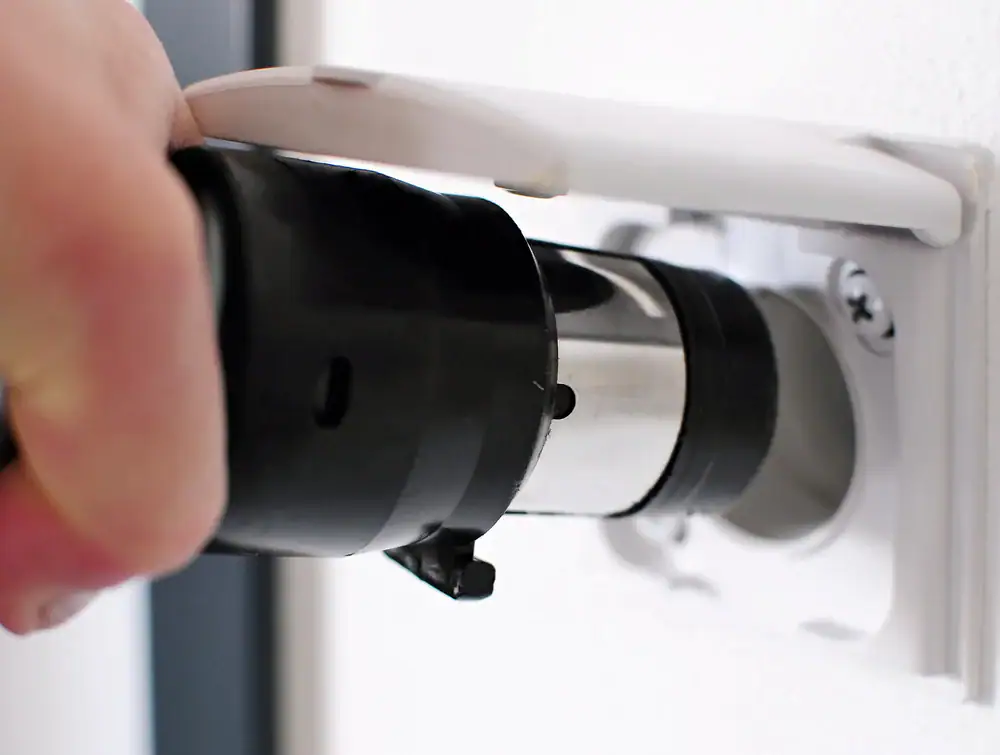
The rest of your cost goes to inlet valves, PVC piping, fittings, and accessories. Inlet valves run about $130 to $300 each, and most homes need a minimum of one per room for adequate coverage. A 2,000 square foot home typically requires three to four inlets, while larger properties may need five or more.
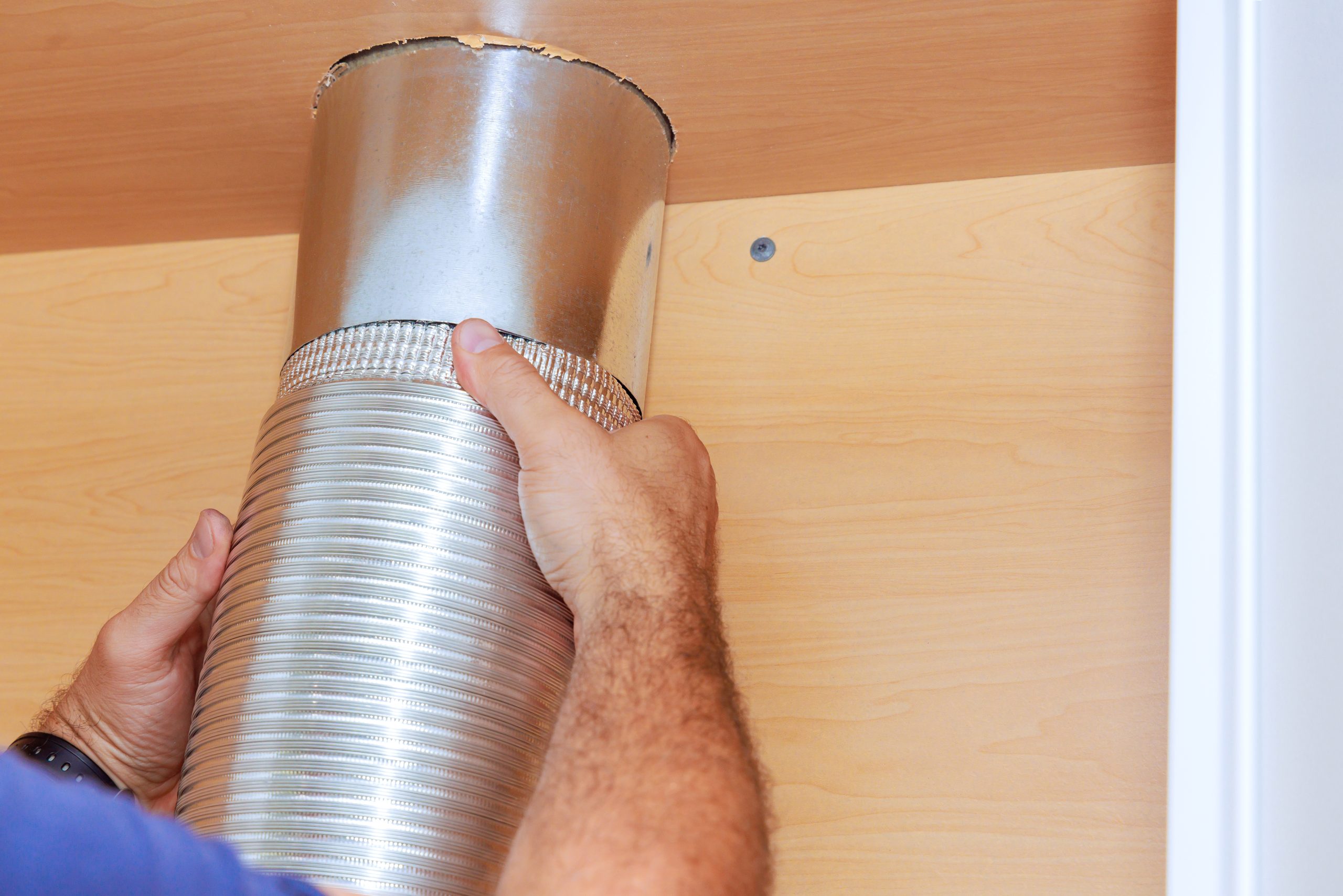
Piping and fittings generally add $300 to $800 to your project cost. The exact amount depends on how much tubing we need to run through walls and how complex the routing becomes. Homes with finished basements or limited attic access require more creative solutions, which can increase both material and labor costs.
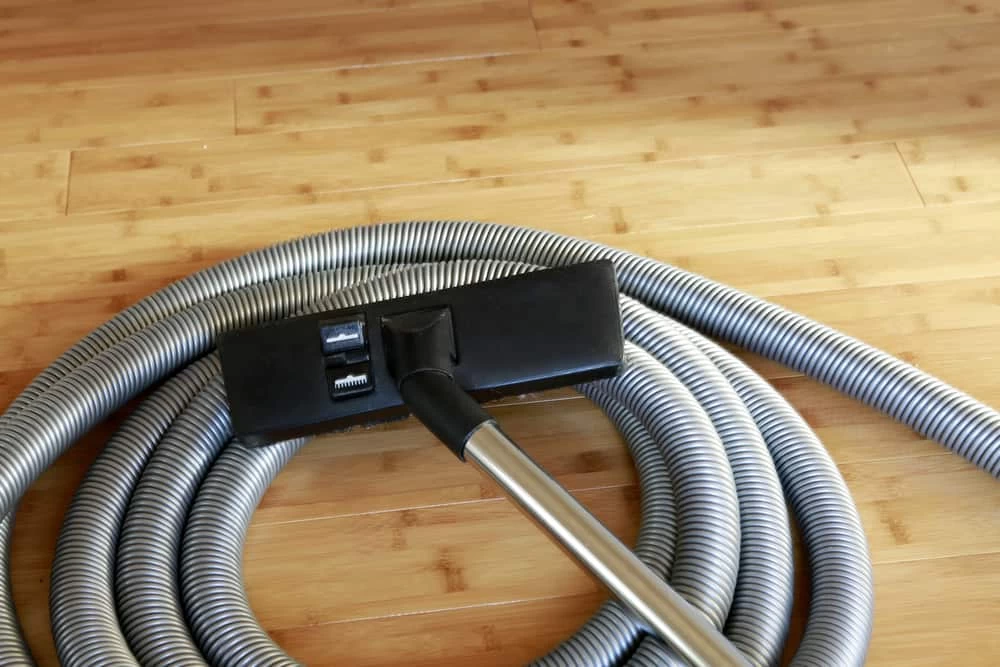
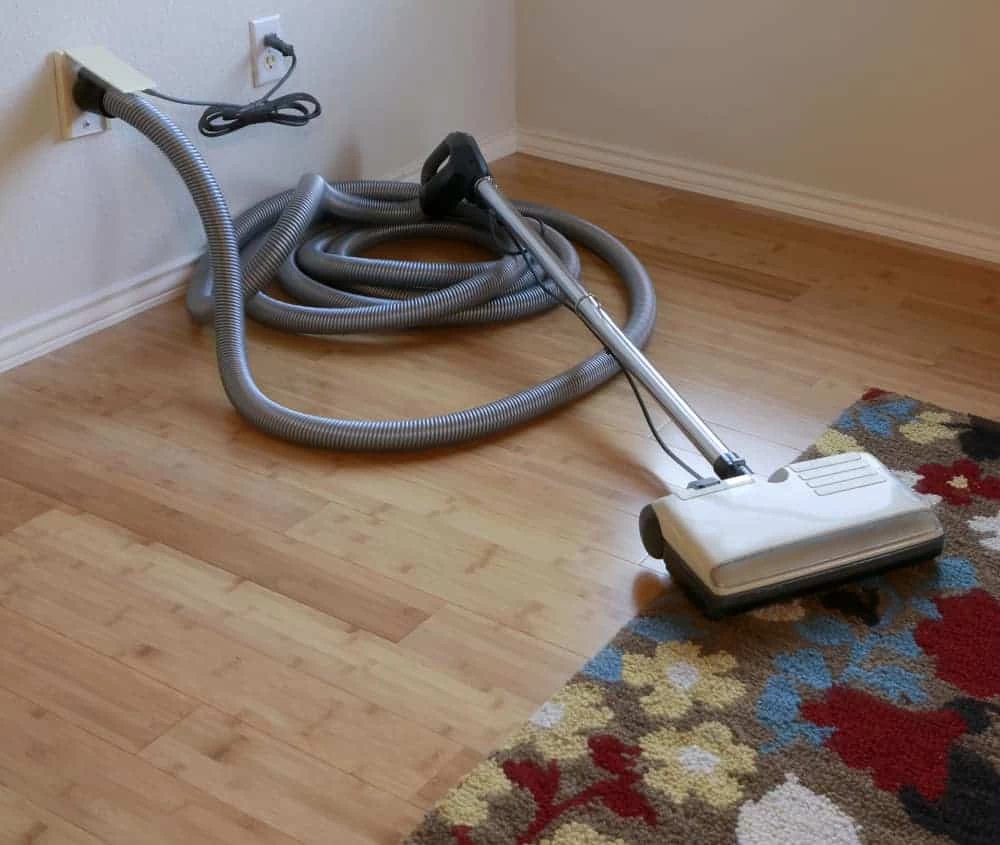
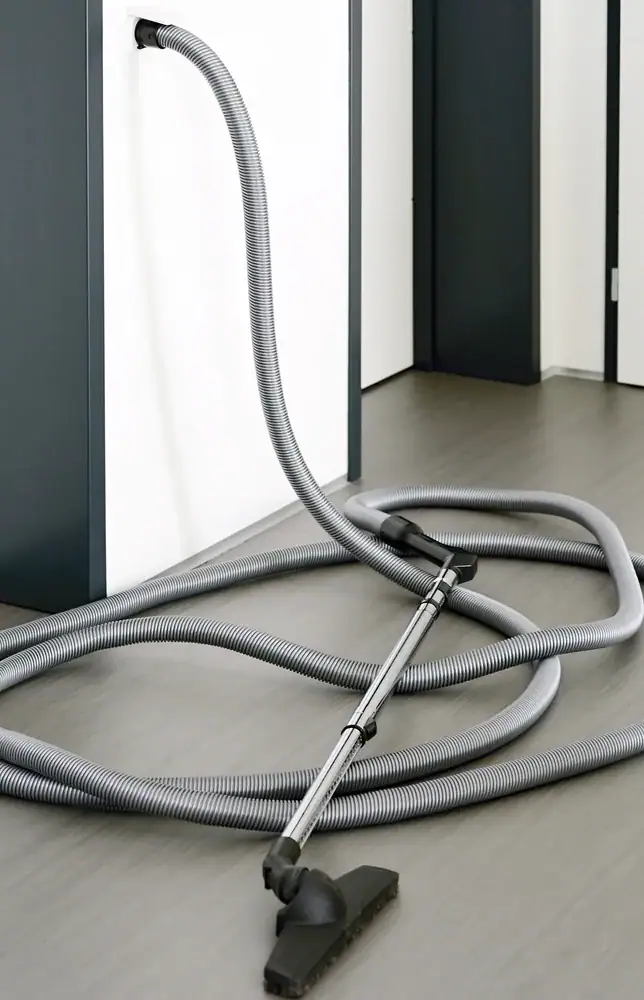
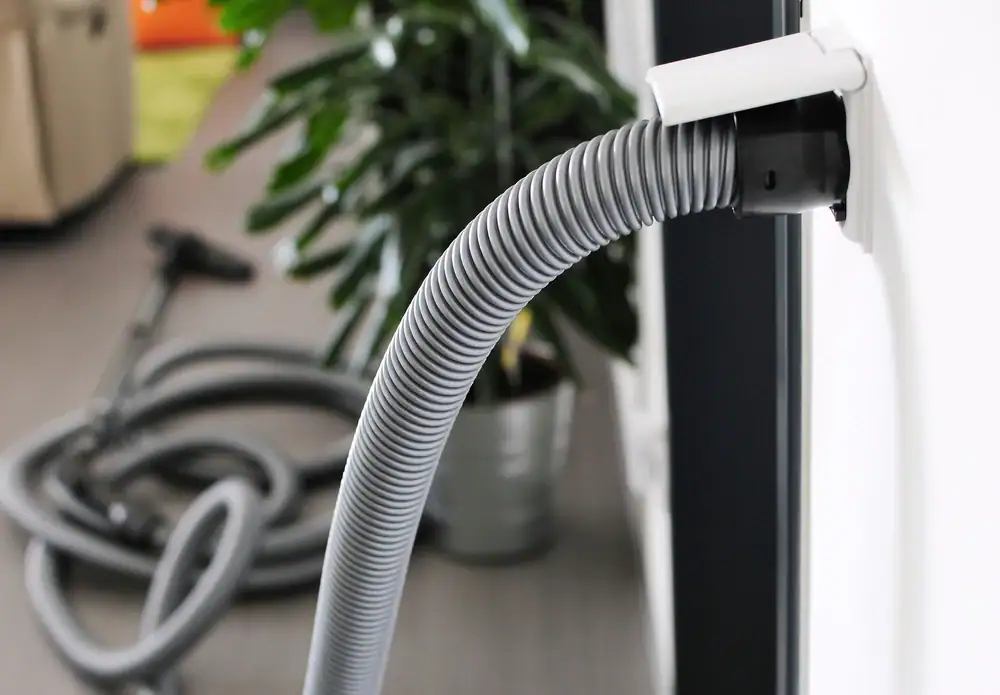
Accessories like hoses, powerheads, and cleaning attachments add another $150 to $600. Basic kits cover most household cleaning needs, but specialized tools for pet hair, hardwood floors, or upholstery increase your investment. Retractable Hide-A-Hose systems, which store the hose inside your walls, cost more than standard detachable hoses but offer significantly more convenience.
One cost that catches people off guard: permits and electrical work. Some Nassau County municipalities require permits for central vacuum installation, especially if electrical modifications are involved. Budget an extra $100 to $300 for permits and any necessary electrical upgrades to support your system.
Vacuum Installation: New Construction vs Retrofit
If you’re building new or doing a major renovation with open walls, installation costs drop significantly. New construction installations typically run 25% to 40% less expensive than retrofit projects because we can run piping freely without working around finished surfaces.
Retrofitting an existing Nassau County home is more common and more complex. We need to route tubing through walls without damaging your finishes, which requires more time and specialized techniques. The good news: modern installation methods rarely require breaking walls or extensive drywall repair.
Most retrofit installations route pipes through basements, attics, or closets to minimize wall penetration. Single-story homes with accessible basements or attics are easiest to retrofit. Multi-story homes present more challenges, especially if you have finished ceilings and limited access points between floors.
Your home’s age and construction style affect installation complexity too. Nassau County has many homes built in the 1950s and 1960s with straightforward layouts that accommodate central vacuum systems relatively easily. Newer homes with complex floor plans, multiple levels, or finished basements may require more creative routing solutions.
Labor time for a typical retrofit installation ranges from 6 to 12 hours depending on home size and layout. A ranch-style home with an unfinished basement might take a single day. A two-story colonial with a finished basement could require two days or more, especially if you’re adding multiple inlets for comprehensive coverage.
The only visible change to your home is the inlet valves themselves, which are concealed by trim plates that blend with your walls. We take care to position inlets strategically so they’re convenient to use but don’t interfere with furniture placement or room aesthetics.
One advantage of retrofit installation: you can start with partial coverage and expand later. Some homeowners begin with first-floor inlets and add second-floor coverage when budget allows. This phased approach spreads costs over time while giving you immediate benefits where you clean most frequently.
Cost Factors: What Affects Central Vacuum Installation Pricing
Several variables push your central vacuum system price up or down. Understanding these factors helps you anticipate costs for your specific situation and identify where you might save money without compromising quality.
Home size is the most obvious factor. Larger homes require more powerful units, more piping, and additional inlets for complete coverage. A 1,500 square foot ranch needs different equipment than a 3,500 square foot colonial, and that difference shows up in your final invoice.
System type matters too. Cyclonic systems use centrifugal force to separate debris and typically cost less upfront, running $200 to $2,000 for the power unit alone. Filtered systems trap dust in replaceable filters and bags, costing $400 to $2,000 but offering better air filtration for allergy sufferers. We typically recommend filtered systems for the superior indoor air quality they provide.
How Home Layout Impacts Installation Cost
Your home’s layout directly affects how much you’ll pay for installation. Simple, rectangular floor plans with accessible basements or attics cost less to outfit than homes with complex layouts, multiple levels, or limited access to wall cavities.
Finished basements increase installation complexity and cost. When your basement ceiling is already drywalled, we have fewer options for running pipes and may need to route tubing through walls or use alternative pathways. This adds time and labor to your project.
The number of inlets you need depends on your home’s size and layout. We typically recommend positioning inlets so a 30-foot hose can reach every corner of every room. For oddly shaped rooms or homes with long hallways, you might need additional inlets beyond the standard one-per-room guideline.
Homes with vaulted ceilings, multiple stories, or finished attics present unique challenges. Getting piping from the basement to a third-floor bedroom, for example, requires creative routing and potentially more wall penetration than a single-story home. Each additional story typically adds $200 to $500 to your installation cost.
Accessibility issues can drive costs up quickly. If we can’t easily access the space where pipes need to run, we’ll spend more time on the installation. Crawl spaces with limited clearance, attics with no flooring, or walls with unusual framing all create obstacles that increase labor hours.
Your chosen inlet locations matter too. Installing an inlet in an exterior wall costs more than an interior wall because exterior walls often contain insulation and require more careful cutting and sealing. Corner placements are typically easier and less expensive than mid-wall locations.
Whole House Vacuum Cost: ROI Analysis for Long Island Homes
The question isn’t just what a central vacuum costs, but whether that cost delivers value. For Nassau County homeowners with median home values around $700,000, the ROI calculation looks pretty compelling.
Research shows central vacuum systems increase home value by approximately 2.5%. On a $700,000 Long Island home, that translates to a potential $17,500 increase in resale value. Your $1,500 to $3,000 installation could return five to ten times that amount when you sell.
The average ROI on central vacuum installation ranges from 65% to 75% depending on your local market and system quality. That’s competitive with other home improvements like kitchen updates or bathroom remodels, but with less disruption and lower initial investment.
Beyond resale value, consider the ongoing savings. Portable vacuums typically need replacement every three to five years at $200 to $800 each. A central vacuum system lasts 20 years or more with minimal maintenance. Over two decades, you’d spend $1,000 to $3,200 replacing portable vacuums multiple times, versus emptying a canister a few times per year with your central system.
Allergy sufferers see additional value that’s harder to quantify but very real. A UC Davis study showed 44% to 61% improvement in allergy symptoms when households switched from portable vacuums to central systems. If that means fewer doctor visits, less medication, or better quality of life for your family, the value extends well beyond dollars.
Energy efficiency adds another dimension to ROI. Central vacuum systems use about the same electricity as portable vacuums but clean more effectively in less time. You’re not running the vacuum as long to achieve better results, which means lower energy costs over the system’s lifespan.
The convenience factor has value too, even if it doesn’t show up on a spreadsheet. Not lugging a heavy vacuum up and down stairs, not dealing with cords and plug-switching, not disturbing the whole house with noise—these quality-of-life improvements matter when you’re vacuuming multiple times per week for years.
For Long Island homeowners planning to stay in their homes for five years or more, the ROI equation tilts heavily in favor of installation. You get immediate benefits from easier cleaning and better air quality, plus you build equity that pays back when you eventually sell.
Making the Central Vacuum Investment in Nassau County
Central vacuum system costs in Nassau County range from $1,200 to $3,000 for most homes, with the final price depending on your home’s size, layout, and the features you choose. That’s a significant investment, but one that delivers measurable returns in home value, health benefits, and daily convenience.
The key is working with installers who understand Long Island homes and provide transparent pricing upfront. You shouldn’t be guessing about costs or worrying about surprise charges halfway through installation.
If you’re ready to explore what a central vacuum system would cost for your specific Nassau County home, we bring over 50 years of Long Island experience to every installation. Our team can walk you through exact pricing for your layout, explain your options, and help you understand the real ROI for your property.