
Summary:
You dust on Saturday. By Wednesday, there’s a visible layer on your furniture again. Your kids’ allergies seem worse at home than at school. The room over the garage never quite reaches the temperature you set on the thermostat. These aren’t separate issues—they’re connected to what’s happening inside your ductwork.
Your home’s air ducts do more than move heated or cooled air around. They also move everything that’s accumulated inside them over the years. Dust, pollen, pet dander, mold spores, and sometimes worse. Every time your HVAC system runs, it’s distributing whatever’s in there throughout your living space.
Here’s what you need to know about when residential duct cleaning actually makes sense for Nassau County homes, what the process involves, and how to recognize the signs that your ducts need attention now.
What Residential Duct Cleaning Actually Involves
Residential duct cleaning isn’t about running a vacuum hose into a vent and calling it done. Professional cleaning addresses your entire HVAC system—the supply ducts that deliver air to rooms, the return ducts that pull air back, the registers and grilles in each room, the blower motor, the evaporator coil, heat exchangers, and the condensate drain pan.
The process typically takes two to four hours for an average-sized home. We use truck-mounted vacuum systems that generate around 12,000 cubic feet per minute of suction—significantly more powerful than any household equipment. This creates negative pressure throughout your duct system, preventing dust and debris from escaping into your home during cleaning.
We use specialized brushes, air whips, and agitation tools to loosen contaminants that have adhered to duct surfaces over time. Everything gets pulled into the vacuum system and removed from your home entirely. The goal isn’t just moving dust around—it’s actual removal.
How Often Homes Need Professional Duct Cleaning
The National Air Duct Cleaners Association recommends professional cleaning every three to five years for most homes. That’s the baseline. Your actual timeline depends on factors specific to your household and your Nassau County location.
Homes with pets need more frequent attention. Dogs and cats shed constantly, and that fur doesn’t just land on your floors and furniture. It gets pulled into your HVAC system where it accumulates with dust and dander. If you have multiple pets or breeds that shed heavily, you’re looking at cleaning every two to three years instead of five.
Allergy sufferers benefit from more frequent cleaning too. When family members deal with asthma, seasonal allergies, or respiratory sensitivities, the allergens trapped in your ductwork make symptoms worse. Cleaning every two to three years reduces their exposure to triggers that circulate through your home daily.
Recent renovations or construction work creates an immediate need for cleaning, not a three-year wait. Drywall dust is particularly problematic. It’s fine, pervasive, and gets everywhere—including deep into your ductwork where it continues circulating long after contractors have cleaned up the visible mess. The same applies to sawdust, insulation fibers, and other construction debris.
If someone smokes indoors, the residue clings to duct walls and continues releasing particles into your air. More frequent cleaning becomes necessary to manage the buildup. Living near high-traffic roads, construction zones, or areas with elevated pollen counts also accelerates the rate at which your ducts accumulate contaminants.
Nassau County’s coastal humidity creates conditions where mold can develop in ductwork more readily than in drier climates. The combination of moisture and accumulated dust provides exactly what mold needs to grow. If you’ve noticed musty odors when your HVAC runs, or if you’ve had any water intrusion in your home, don’t wait for the standard timeline. Get your ducts inspected and cleaned.
The EPA doesn’t recommend routine cleaning on a fixed schedule. Instead, they focus on cleaning when there’s visible contamination, mold growth, pest infestations, or excessive dust release from vents. That’s a reasonable approach, but it assumes you’re actually looking inside your ducts periodically—which most homeowners never do. A professional inspection every few years helps you make informed decisions rather than guessing.
Signs Your Home Needs Duct Cleaning Now
Some situations don’t wait for a schedule. Here’s what tells you it’s time to call for professional residential duct cleaning regardless of when you last had it done.
Visible dust puffing from vents when your HVAC starts up isn’t normal. In a properly maintained system, you shouldn’t see dust clouds emerging from supply registers. If you do, it means there’s substantial accumulation inside your ductwork that’s being blown into your living space every time the system cycles on.
Check your vent covers. Pull one off and look inside with a flashlight. If you see thick dust coating the interior surfaces, or if there’s matted debris visible, that’s what your family has been breathing. The same applies to your return air registers—if they’re coated in fuzzy layers of dust, your ducts need attention.
Persistent odors that emerge when heating or cooling runs indicate something’s wrong. Musty smells usually point to mold or mildew growing in your ductwork. Burning smells might indicate dust buildup on heating elements. Stale or unpleasant odors that you can’t trace to any other source often originate in contaminated ducts.
Uneven temperatures throughout your home can result from blocked or restricted airflow. When one bedroom stays consistently warmer or cooler than the rest of the house despite identical thermostat settings, dust and debris may be obstructing the ducts serving that area. Your HVAC system can’t distribute air properly when pathways are clogged.
Unexplained spikes in your energy bills deserve investigation. When your heating or cooling costs jump noticeably compared to the same period last year, and you haven’t changed your usage patterns, your system is working harder than it should. Restricted airflow from dirty ducts forces your furnace or air conditioner to run longer to reach set temperatures, consuming more energy and increasing your costs.
If you’ve just moved into a home and don’t know its maintenance history, schedule an inspection. Many Nassau County homes are decades old, and previous owners may never have had the ducts cleaned. You might be dealing with twenty or thirty years of accumulated contamination. Starting fresh gives you a known baseline and eliminates whatever the previous occupants left behind.
Rodent or insect infestations require immediate attention. If you’ve discovered evidence of mice, squirrels, or insects in your ductwork—droppings, nesting materials, unusual smells, or actual sightings—you need professional cleaning after the pest problem is resolved. The bacteria and allergens left behind create serious health risks when distributed through your HVAC system.
Allergy symptoms that worsen at home but improve when you’re away suggest your indoor air quality needs work. If family members consistently experience sneezing, coughing, congestion, or itchy eyes that ease up at work or school but flare when they return home, your ducts may be circulating allergens throughout your living space.
Benefits of Residential Air Duct Cleaning
Clean ducts affect more than just the air you breathe, though that’s certainly the primary benefit. When contamination is removed from your HVAC system, you’ll notice improvements across several areas.
Indoor air quality improves measurably. Your heating and cooling system recirculates the air in your home five to seven times per day on average. Every time it cycles, it’s pulling in dust, dander, and allergens that have accumulated in your ductwork. Professional cleaning removes these contaminants at the source rather than just filtering what makes it through to your living space.
Energy efficiency typically increases when airflow isn’t restricted by debris. According to the U.S. Department of Energy, 25 to 40 percent of the energy used for heating or cooling a home gets wasted. Contaminants in your system make it work harder and run longer to maintain desired temperatures. When ducts are clean, air moves freely and your equipment operates more efficiently.
How Home Air Vent Cleaning Affects Your Family's Health
The connection between duct cleanliness and respiratory health matters most for vulnerable family members—children, elderly relatives, and anyone with existing respiratory conditions or compromised immune systems.
Allergens accumulate in ductwork over time. Pollen that enters your home during spring and fall, pet dander from your dogs or cats, dust mites that thrive in household dust, and mold spores that develop in humid conditions all get pulled into your HVAC system. Once there, they continue circulating through your home indefinitely unless removed.
For allergy and asthma sufferers, this creates constant exposure to triggers. You might clean your home thoroughly, wash bedding in hot water, and use HEPA air purifiers, but if your ducts are contaminated, you’re fighting a losing battle. The system keeps reintroducing allergens faster than you can eliminate them from living spaces.
Studies have shown that proper duct cleaning can reduce allergy symptoms significantly—in some cases by more than 60 percent. That doesn’t mean cleaning cures allergies, but it does reduce the allergen load in your home’s air, giving sensitive family members relief from constant exposure.
Mold presents particular concerns. Nassau County’s humidity creates favorable conditions for mold growth, especially in ductwork where moisture from your air conditioning system can accumulate. When mold colonizes your ducts, spores get distributed throughout your home every time the HVAC runs. This can trigger allergic reactions, worsen asthma, and cause respiratory irritation even in people without existing sensitivities.
The EPA and other health organizations emphasize that dirty ducts aren’t the only source of indoor air pollution. Outdoor contaminants, cooking, cleaning products, and normal household activities all contribute. But ducts represent a controllable factor. You can’t eliminate pollen from existing outdoors, but you can remove what’s accumulated in your ductwork.
Dust itself contains more than just dirt. It includes dead skin cells, fabric fibers, pet dander, dust mite waste, pollen, mold spores, and various other particles. When that mixture coats your duct surfaces and gets blown into your living space continuously, it affects the air your family breathes every day. Removing it creates a cleaner baseline for your indoor environment.
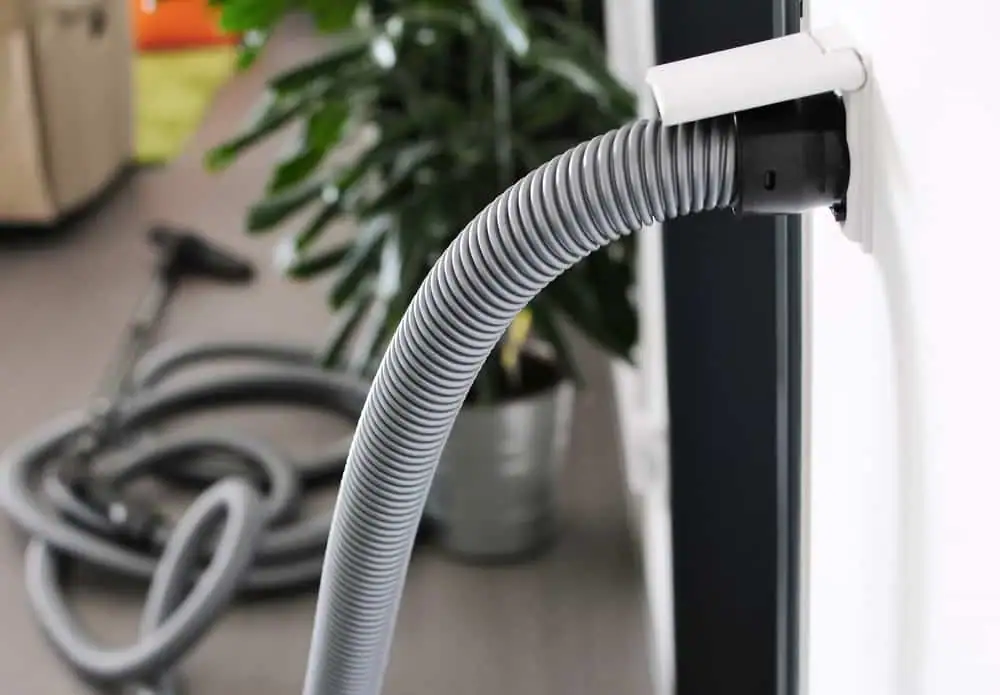
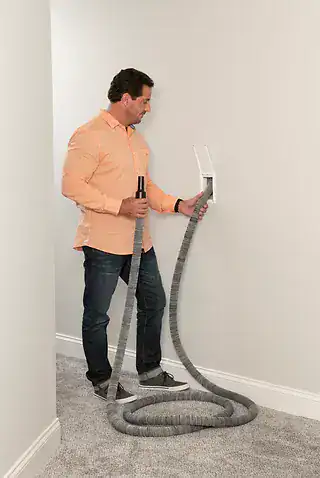
Keeping your home’s air clean doesn’t stop with duct cleaning. Dust and allergens can quickly build up on floors and carpets, affecting your indoor air quality. Pairing duct cleaning with a central vacuum system helps remove dust and debris more efficiently while reducing airborne allergens throughout your home.
Energy Savings and HVAC System Longevity
Your HVAC system’s efficiency directly affects your monthly utility costs and how long the equipment lasts before requiring replacement. Dirty ducts impact both.
When dust and debris accumulate on blower motors, evaporator coils, and heat exchangers, these components can’t operate at designed efficiency. The blower motor has to work harder to move air through restricted pathways. Coils coated in dust can’t transfer heat effectively. Your furnace or air conditioner runs longer to achieve the same temperature results, consuming more energy in the process.
Research indicates that 90 percent of HVAC system failures result from dirt and dust buildup. That’s not just ducts—it includes all the mechanical components that dust affects when it’s not removed. Regular cleaning helps prevent these failures by keeping critical parts free from contamination that causes wear and premature breakdown.
Extended run times don’t just waste energy. They also create additional wear on your equipment. Every time your furnace or air conditioner cycles on, it experiences startup stress. When the system has to run longer and cycle more frequently because airflow is restricted, you’re shortening its operational lifespan. Clean ducts help your equipment reach its expected 15 to 20-year service life rather than failing early.
The cost savings can be substantial. Homeowners report energy bill reductions of 10 to 20 percent after professional duct cleaning when their systems were significantly contaminated. That’s not a guarantee—results depend on how dirty your ducts were and how restricted airflow had become. But improved efficiency typically translates to lower costs over time.
Balanced airflow throughout your home also reduces strain on your system. When some rooms receive adequate air while others are starved due to blocked ducts, your HVAC equipment runs continuously trying to satisfy the thermostat. This constant operation wastes energy and accelerates wear. Professional cleaning restores proper distribution, allowing your system to cycle normally.
Think of it as preventive maintenance similar to changing your oil or replacing air filters. The upfront cost of cleaning—typically $450 to $1,000 for residential homes depending on size and contamination level—prevents more expensive problems down the line. Replacing a failed HVAC system costs thousands more than maintaining the one you have.
Making the Decision for Your Nassau County Home
Residential duct cleaning isn’t something every home needs every year, but it’s also not something to ignore indefinitely. The key is recognizing when your specific situation calls for professional attention rather than following arbitrary timelines or dismissing the need entirely.
If you’re seeing visible dust from vents, dealing with persistent allergy symptoms at home, noticing musty odors when your HVAC runs, or experiencing unexplained energy bill increases, those are clear indicators that inspection and likely cleaning would benefit your home. The same applies after renovations, pest infestations, or moving into a property with unknown maintenance history.
For Nassau County homes facing the area’s specific challenges—coastal humidity that promotes mold growth, seasonal pollen that infiltrates homes, and the older housing stock common in many neighborhoods—staying ahead of duct contamination protects both your family’s health and your HVAC investment.
We bring over 50 years of experience serving Long Island homeowners, with VDTA-certified technicians who understand the unique needs of Nassau County homes. Whether you need an inspection to assess your current situation or you’re ready to schedule cleaning, working with local experts who know the area makes the process straightforward and effective.