Summary:
Why Central Vacuum Repair Requires Specialized Technicians
Central vacuum systems aren’t portable vacuums that plug into walls. They’re permanent installations with motors, ductwork, electrical components, and inlet valves spread throughout your entire home. When something goes wrong, you’re dealing with a whole-house system that requires specific diagnostic skills most general repair technicians don’t possess.
Most handymen or appliance repair services have never worked on central vacuum systems. They might understand basic electrical work or know how to swap out a motor, but they don’t understand airflow dynamics, low-voltage wiring loops, or how to diagnose problems that could be anywhere in miles of ductwork running through your walls. That gap in knowledge leads to misdiagnosis, unnecessary part replacements, and repairs that don’t actually solve your problem.
The technicians who excel at central vacuum repair typically come from specialized backgrounds. Many hold VDTA certification, meaning they’ve completed training specifically focused on built-in vacuum technology. They understand the differences between brands, know which components fail most frequently in Long Island’s coastal environment, and can troubleshoot issues systematically rather than guessing.

What Makes Authorized Dealers and Certified Technicians Different
Experience with multiple brands matters more than you might think. Central vacuum systems from Beam, NuTone, VacuFlo, Electrolux, VacuMaid, and other manufacturers all operate on similar principles, but they use different components, wiring configurations, and installation methods. A technician who only knows one brand will struggle when confronted with a system they’ve never seen before.
Authorized dealers who service all brands bring comprehensive knowledge to every repair call. They’ve worked on enough different systems to recognize patterns and diagnose problems quickly. When your 15-year-old NuTone system stops working, you don’t want someone learning on your dime. You want a technician who’s repaired dozens of similar units and knows exactly where to look for common failure points.
The best central vacuum repair specialists in Nassau and Suffolk Counties carry common parts on their service vehicles. This practical detail matters because it means they can complete most repairs during the initial visit rather than making you wait days or weeks for parts to arrive. When someone shows up with a fully stocked van containing motors, inlet valves, filters, and hoses, you know they’ve been doing this work long enough to understand which components fail most frequently.
Certification and licensing provide another layer of verification that separates professionals from amateurs. VDTA certification demonstrates a technician has completed industry-recognized training in central vacuum technology. They should also carry proper business insurance and licenses. Don’t hesitate to ask for proof of both before allowing work to begin. Legitimate professionals expect these questions and provide documentation without defensiveness.
Local knowledge makes a practical difference, especially in Long Island. Technicians familiar with Nassau and Suffolk Counties understand the specific challenges homes here face. Beach communities from the Hamptons to Long Beach deal with sand infiltration that damages motors and clogs filters. Older homes in Garden City, Huntington, and Smithtown have construction quirks that affect how systems were originally installed. Coastal homes face humidity and salt air that accelerate corrosion in electrical components. Someone who’s worked in the region for years will diagnose these environment-specific problems faster because they’ve encountered them repeatedly.
Response time tells you about their business model and capacity. Are they a one-person operation who might take weeks to schedule you? Or do they have multiple technicians who can provide emergency vacuum service when your system fails before a holiday weekend? For situations where you need your vacuum working again immediately, this response capacity becomes crucial. Ask directly about their typical response time for service calls and whether they offer same-day emergency repairs.
Transparent pricing protects you from unexpected costs and builds trust from the first conversation. Reputable repair specialists provide clear estimates before starting work. They explain what’s wrong, what needs to be fixed, and how much it will cost. They break down parts and labor separately so you can verify pricing is reasonable. If someone starts working without giving you a firm estimate, or seems vague about costs, that’s a red flag you should not ignore.
Red Flags That Signal Unqualified Central Vacuum Repair Services
Experience with multiple brands matters more than you might think. Central vacuum systems from Beam, NuTone, VacuFlo, Electrolux, VacuMaid, and other manufacturers all operate on similar principles, but they use different components, wiring configurations, and installation methods. A technician who only knows one brand will struggle when confronted with a system they’ve never seen before.
Authorized dealers who service all brands bring comprehensive knowledge to every repair call. They’ve worked on enough different systems to recognize patterns and diagnose problems quickly. When your 15-year-old NuTone system stops working, you don’t want someone learning on your dime. You want a technician who’s repaired dozens of similar units and knows exactly where to look for common failure points.
The best central vacuum repair specialists in Nassau and Suffolk Counties carry common parts on their service vehicles. This practical detail matters because it means they can complete most repairs during the initial visit rather than making you wait days or weeks for parts to arrive. When someone shows up with a fully stocked van containing motors, inlet valves, filters, and hoses, you know they’ve been doing this work long enough to understand which components fail most frequently.
Certification and licensing provide another layer of verification that separates professionals from amateurs. VDTA certification demonstrates a technician has completed industry-recognized training in central vacuum technology. They should also carry proper business insurance and licenses. Don’t hesitate to ask for proof of both before allowing work to begin. Legitimate professionals expect these questions and provide documentation without defensiveness.
Local knowledge makes a practical difference, especially in Long Island. Technicians familiar with Nassau and Suffolk Counties understand the specific challenges homes here face. Beach communities from the Hamptons to Long Beach deal with sand infiltration that damages motors and clogs filters. Older homes in Garden City, Huntington, and Smithtown have construction quirks that affect how systems were originally installed. Coastal homes face humidity and salt air that accelerate corrosion in electrical components. Someone who’s worked in the region for years will diagnose these environment-specific problems faster because they’ve encountered them repeatedly.
Response time tells you about their business model and capacity. Are they a one-person operation who might take weeks to schedule you? Or do they have multiple technicians who can provide emergency vacuum service when your system fails before a holiday weekend? For situations where you need your vacuum working again immediately, this response capacity becomes crucial. Ask directly about their typical response time for service calls and whether they offer same-day emergency repairs.
Transparent pricing protects you from unexpected costs and builds trust from the first conversation. Reputable repair specialists provide clear estimates before starting work. They explain what’s wrong, what needs to be fixed, and how much it will cost. They break down parts and labor separately so you can verify pricing is reasonable. If someone starts working without giving you a firm estimate, or seems vague about costs, that’s a red flag you should not ignore.
Essential Questions to Ask Central Vacuum Repair Specialists
The right questions reveal a technician’s true expertise and business practices before you commit to hiring them. Start with their specific experience: How many years have you been repairing central vacuum systems specifically? This matters because general appliance repair experience doesn’t translate directly to central vacuum expertise. You want someone who’s spent years working exclusively or primarily on built-in vacuum systems.
Ask which brands they service and whether they’re authorized dealers for any manufacturers. A comprehensive answer that includes multiple manufacturers indicates broad knowledge. If they only work on one or two brands, you might be dealing with someone who lacks the versatility needed for your particular system. Authorized dealer status with major brands demonstrates the manufacturer trusts their expertise and training.
Find out if they’re certified and licensed for this specific work. VDTA certification demonstrates specialized training in central vacuum technology. Proper business licensing and insurance protect you from liability and ensure you’re working with a legitimate operation that meets local Nassau and Suffolk County requirements.
Understanding Central Vacuum Repair Costs in Long Island
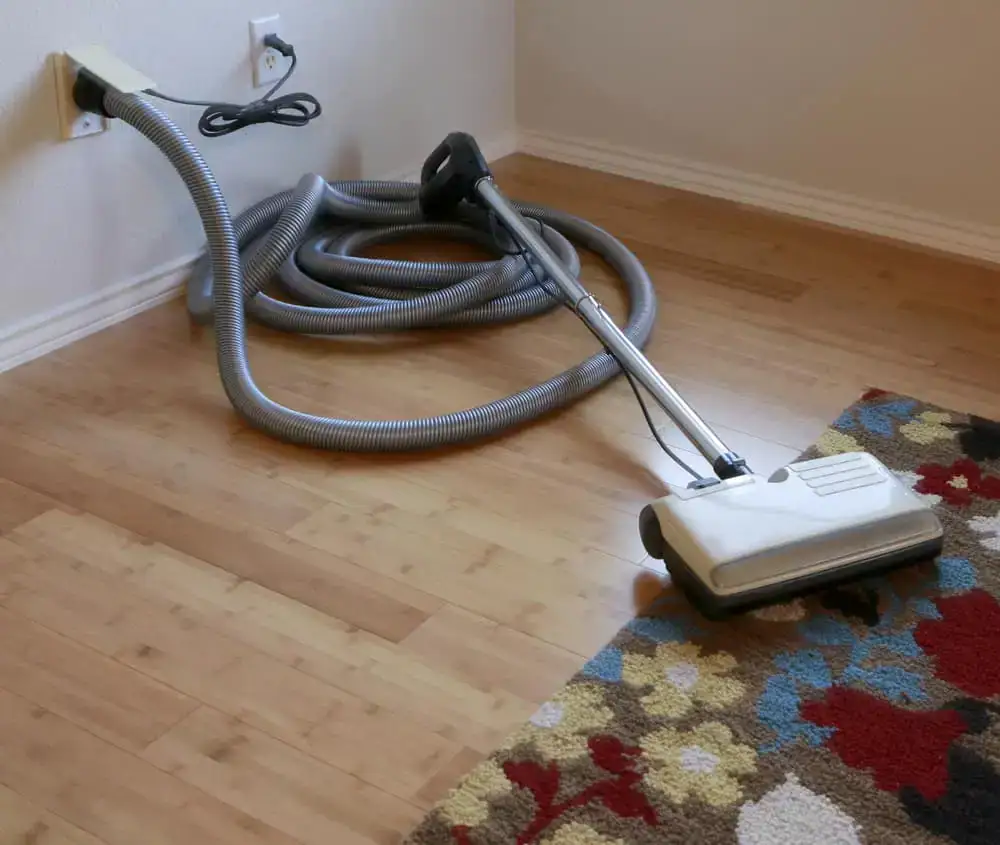
Central vacuum repair costs vary significantly based on what’s wrong with your system, but understanding typical price ranges helps you evaluate whether quotes you receive fall within reasonable industry standards. Knowledge of these costs also helps you make informed decisions about repair versus replacement.
Minor repairs like clearing clogs or replacing filters typically run $50 to $250 in the Long Island area. These are straightforward fixes that most experienced technicians can complete in under an hour. A simple hose clog might cost just $75, while clearing a blockage deep in your wall tubing could run $200. If someone quotes significantly more for a simple clog removal, they’re probably overcharging, especially if they’re not explaining why the work is more complex than typical.
Motor replacements represent the most expensive common repair, ranging from $150 to $800 plus labor depending on your system’s power and brand. Motors are the heart of your central vacuum system, and when they fail after 15 or 20 years of service, replacement often makes more sense than attempting repairs. A good technician will help you understand whether your motor can be repaired with a simple bearing replacement or needs complete replacement. They’ll also explain that while the repair cost might seem high, it’s still significantly less than installing an entirely new system.
Electrical work costs $100 to $450 depending on the complexity of the problem and how many inlets are affected. Issues with low-voltage wiring, faulty inlet valves, or short circuits in the control system require systematic troubleshooting that takes time. Technicians typically charge hourly rates between $50 and $120 for this type of diagnostic and repair work in Nassau and Suffolk Counties. The higher end of that range usually applies to emergency vacuum service calls on weekends or holidays.
Hose replacement runs $100 to $250 depending on length, quality, and whether you need a basic hose or an electric powerhead hose with built-in wiring. Hoses wear out from regular use, developing cracks or holes that reduce suction and make cleaning impossible. This is a straightforward replacement that shouldn’t take long to complete, though electric hoses cost more due to their additional components.
Annual maintenance visits typically cost $100 to $150 and can prevent many expensive repairs down the line. Regular professional service catches small problems before they become major failures. When you compare maintenance costs to emergency repair bills that average around $320, preventive service delivers clear value. Many Long Island central vacuum specialists offer maintenance packages that include annual inspections, filter replacements, and system testing.
Get multiple estimates when facing major repairs over $300. This allows you to compare not just prices but also the thoroughness of each technician’s diagnosis. If one specialist identifies problems the others missed—like a small air leak in your basement piping that’s reducing overall suction—that might indicate more careful attention to detail worth paying for.
Ask for written estimates that break down parts and labor separately. This transparency lets you verify that parts pricing is reasonable and labor charges align with industry standards for your area. It also provides documentation if any disputes arise later about what work was agreed upon. Professional central vacuum repair services in Long Island always provide detailed written estimates before beginning work.
Understand what’s covered under warranty before the work begins. Reputable repair services warranty their work, typically for 30 to 90 days depending on the type of repair. This warranty protects you if the same problem recurs shortly after repair. Ask specifically what the warranty covers—both parts and labor—and get it in writing as part of your service agreement.
How to Verify Credentials and Experience in Nassau and Suffolk Counties
Long Island homeowners have specific ways to verify a repair specialist’s credentials and track record before hiring them. Start with online reviews on Google, Yelp, Angi, and local Long Island community forums. Look for patterns in feedback rather than focusing on individual reviews. Do multiple customers mention fast response times? Do they praise the technician’s ability to diagnose problems accurately on the first visit? Do reviews specifically mention work in your area—whether that’s Massapequa, Port Washington, or East Hampton? These consistent themes matter more than occasional outlier reviews.
Check how long they’ve been operating specifically in Nassau and Suffolk Counties. Businesses that have served Long Island for decades have proven their reliability through years of customer relationships and repeat business. You can often verify business longevity through local business directories, the Better Business Bureau, or by checking when their online presence was first established. A company that’s been serving the area for 20 or 50 years has staying power that one-year operations lack.
Ask for local references, particularly from customers in your specific area or with similar homes. Someone who’s repaired systems in Huntington, Garden City, or Smithtown understands the types of homes and installations common in those communities. They’ve likely encountered the same issues your system faces, whether that’s sand infiltration in beach areas or humidity problems in waterfront properties. Don’t be shy about asking to speak with past customers—legitimate businesses expect this request and have satisfied clients willing to share their experiences.
Verify their claimed certifications directly rather than just taking their word for it. If a technician says they’re VDTA certified, you can contact the Vacuum Dealers Trade Association to confirm. If they claim to be an authorized service provider for specific brands like Beam or VacuFlo, check with those manufacturers directly. Legitimate credentials are always verifiable, and professional technicians understand you’re being smart by checking.
Look for membership in professional organizations beyond just certifications. Technicians who participate in industry associations stay current with new technologies and best practices through continuing education. This ongoing professional development translates to better service for you because they’re learning about new diagnostic techniques and repair methods as the industry evolves.
Check their business standing with local authorities and consumer protection agencies. The Better Business Bureau maintains records of complaints and resolutions for Long Island businesses. A clean record doesn’t guarantee perfect service, but a pattern of unresolved complaints or poor ratings should raise serious concerns. You can also check with your local town or county consumer affairs office for any filed complaints.
Evaluate their online presence and professionalism across all touchpoints. Established businesses typically maintain informative websites, respond to customer inquiries promptly, and present themselves professionally in all communications. While a fancy website doesn’t guarantee quality work, the complete absence of any professional online presence in today’s market is unusual for legitimate established businesses. Look for educational content, clear service descriptions, and transparent contact information.
Trust your instincts during initial conversations with potential repair specialists. Professional technicians communicate clearly, answer questions directly without jargon, and treat you with respect from the first conversation. If someone seems evasive when you ask about pricing, unprofessional in their communication, or pushes too hard for immediate commitments without giving you time to think, those behaviors often predict problems ahead. The best local vacuum specialists in Long Island understand you’re making an important decision and give you the information and time you need to choose wisely.
Choosing the Right Central Vacuum Repair Service in Long Island
Finding the right central vacuum repair specialist comes down to verifying expertise, checking credentials, and choosing someone who communicates transparently about your system’s problems and repair costs. The technicians who serve Long Island best understand both the technical complexities of central vacuum systems across all brands and the specific challenges homes in Nassau and Suffolk Counties face, from coastal sand infiltration to the quirks of older construction.
Take time to ask the right questions about experience and certifications, verify credentials through independent sources, and compare estimates from multiple qualified specialists. Your central vacuum system represents a significant investment in your home’s cleaning efficiency and air quality. The repair service you choose should protect that investment with knowledgeable diagnosis, quality repairs using proper parts, and fair pricing backed by solid warranties.
When you need experienced central vacuum repair backed by decades of local expertise and a commitment to transparent service, we serve homeowners throughout Long Island and NYC with the specialized knowledge and professional service these complex systems require. At DuraVac , we bring over 50 years of experience to every repair call, ensuring your system gets the expert attention it deserves.