Summary:
Most people researching central vacuum systems spend a lot of time comparing motor specs and air watt ratings. That part makes sense — but here’s what often gets overlooked: the power unit creates the suction, and the attachment determines what you actually do with it. A high-end unit paired with the wrong tools will underperform a mid-range system set up correctly.
If you’re in Nassau County and trying to figure out what your system should include — or what your existing setup might be missing — this is the guide that answers those questions directly.
What Comes Standard With Most Central Vacuum Systems
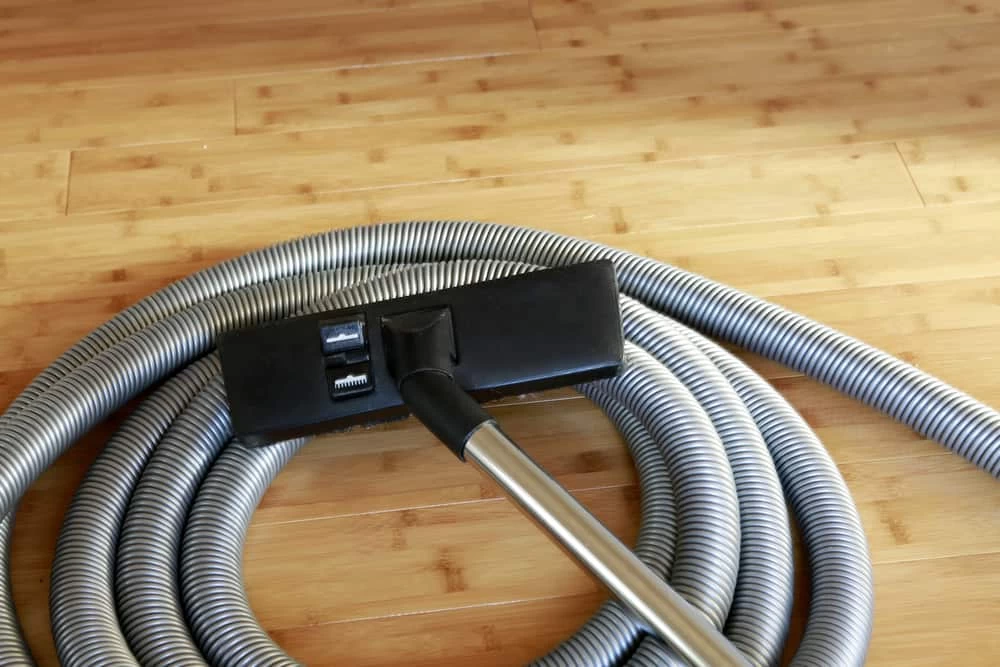
Most central vacuum systems ship with a foundational kit designed to cover the basics. You’ll typically get a floor brush for hard surfaces, a carpet beater bar or powerhead for rugs, a crevice tool for tight corners and baseboards, a dusting brush for shelves and vents, and an upholstery tool for furniture and drapes. There’s usually a telescoping wand and a 30-foot hose to connect everything to the inlet valve in your wall.
That kit handles everyday cleaning reasonably well in a straightforward home. The problem is that most Nassau County homes aren’t straightforward — and the standard kit was designed for the average house, not yours specifically.
The postwar homes throughout Levittown, Baldwin, and New Cassel were built with combinations of hardwood floors, tile in the kitchen and bath, and carpet in the bedrooms. That mixed-floor reality means a single attachment often isn’t enough.

Why the Attachment Kit Makes or Breaks Your Whole House Vacuum System
Here’s the part most product pages won’t tell you: the attachment you use on carpet matters more than the power rating of the unit behind it. Specifically, the difference between an air-driven powerhead and an electric powerhead is the single most important upgrade decision most homeowners never know they’re making.
An air-driven (turbine) powerhead uses the suction airflow itself to spin the brush roll. In practice, this means the brush slows down as the hose gets longer or the inlet gets farther away. In a larger home, or one where you’re cleaning a bedroom at the far end of the hallway, you’re losing brush performance right when you need it most.
An electric powerhead has its own dedicated motor driving the brush roll, completely independent of airflow. It runs at full speed whether you’re five feet from the inlet or fifty. For carpet cleaning — especially in homes with pets or kids — this distinction is enormous. You’re not just getting more agitation; you’re getting consistent agitation across every room, every run.
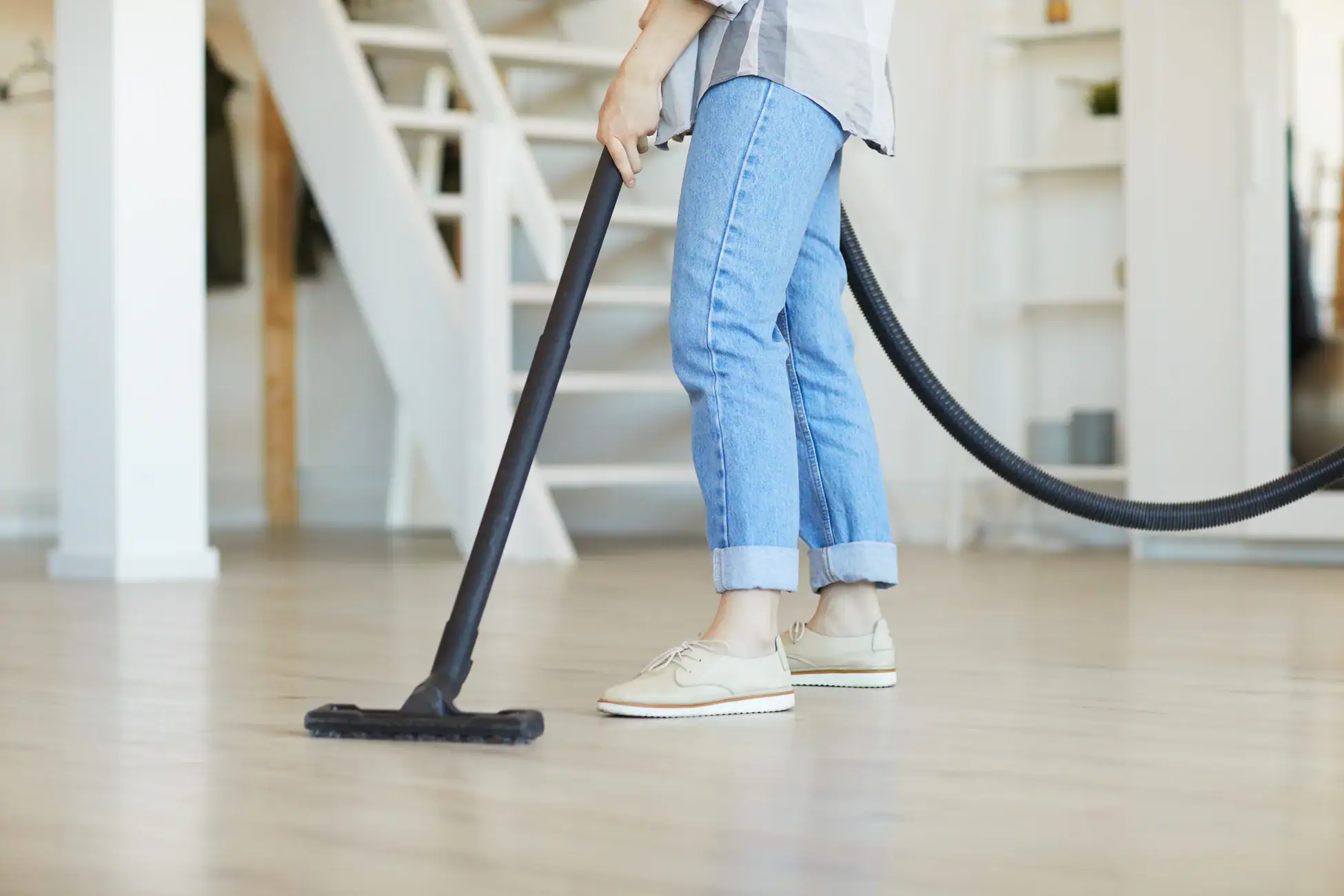
Many Nassau County homes, particularly the split-levels and two-story colonials throughout Hicksville, Levittown, and Massapequa, have carpeted bedrooms upstairs and hard floors on the main level. That combination almost always calls for an electric powerhead on the carpet side and a dedicated hard floor brush that won’t scratch wood or tile. The standard kit typically gives you one or the other — not both optimized.
The other thing worth knowing: electric powerheads require a compatible hose. Not every hose that comes standard with a system supports the low-voltage connection an electric powerhead needs. This is one of the reasons attachment selection isn’t purely a product decision — it’s a system compatibility question. Getting it right means knowing what you already have before you buy anything additional.
Smart Central Vacuum Systems and Attachment Compatibility
Central vacuum technology has moved well past the basic wall-unit-and-hose setup most people picture. Modern systems can integrate with smart home platforms, support app-based scheduling, and in some configurations respond to voice commands. For homeowners who’ve already invested in home automation, it’s a natural extension of how they manage the house.
But smart system integration does affect the attachment side of the equation in ways that aren’t always obvious. Hose compatibility, inlet valve type, and whether your powerhead is air-driven or electric all factor into whether a smart-enabled system performs the way it’s supposed to. A system configured for app control but paired with an incompatible hose or a turbine powerhead won’t deliver the experience the technology promises.
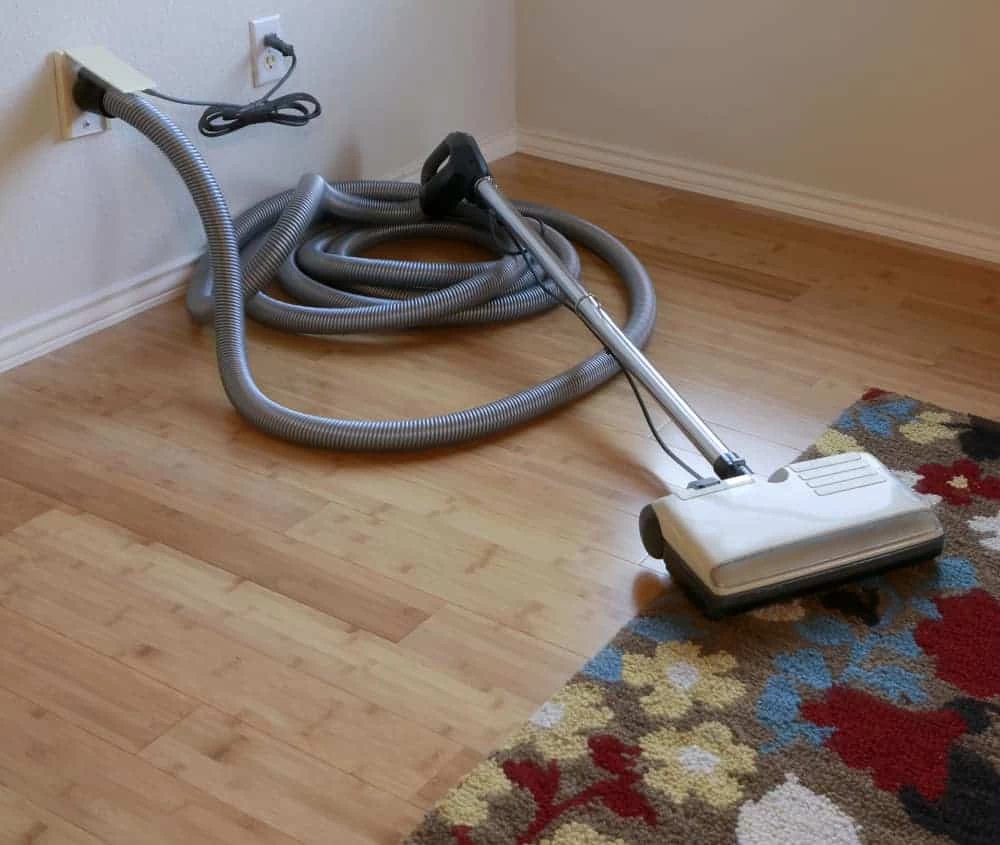
This is also where the Hide-A-Hose system becomes especially relevant for Nassau County homes. Instead of storing a 30-foot hose in a closet or utility room, the Hide-A-Hose retracts directly into the wall when you’re done. You pull out what you need, use it, and it disappears. For smaller homes — the Cape Cods in Valley Stream, the ranches in Elmont, the compact floor plans throughout much of western Nassau County — hose storage is a real, daily inconvenience that the Hide-A-Hose eliminates entirely.
We’ve installed the Hide-A-Hose in homes across Nassau County, and the feedback is consistent: people use the system more often because it’s genuinely easier than getting out a portable vacuum. When your cleaning tool is always ready and never needs to be untangled from a closet shelf, the barrier to using it disappears.
The Best Whole House Vacuum Setup for Nassau County Homes
Nassau County’s housing stock creates specific attachment needs that a generic kit doesn’t account for. The postwar homes throughout the region were built with combinations of hardwood floors, tile in the kitchen and bath, and carpet in the bedrooms — sometimes all three in a 1,100-square-foot house. That mixed-floor reality means you need tools matched to each surface, and they need to work with the same hose and wand setup without requiring a full swap every time you move from room to room.
Long Island’s allergy season compounds this challenge. From tree pollen in the spring through ragweed into October, Nassau County homeowners with allergies are fighting a longer seasonal battle than most inland areas. The right attachment setup — particularly one that maintains the HEPA filtration seal at the inlet — makes a measurable difference in how much allergen actually gets captured versus redistributed.
Most Powerful Central Vacuum: What "Powerful" Actually Means for Your Home
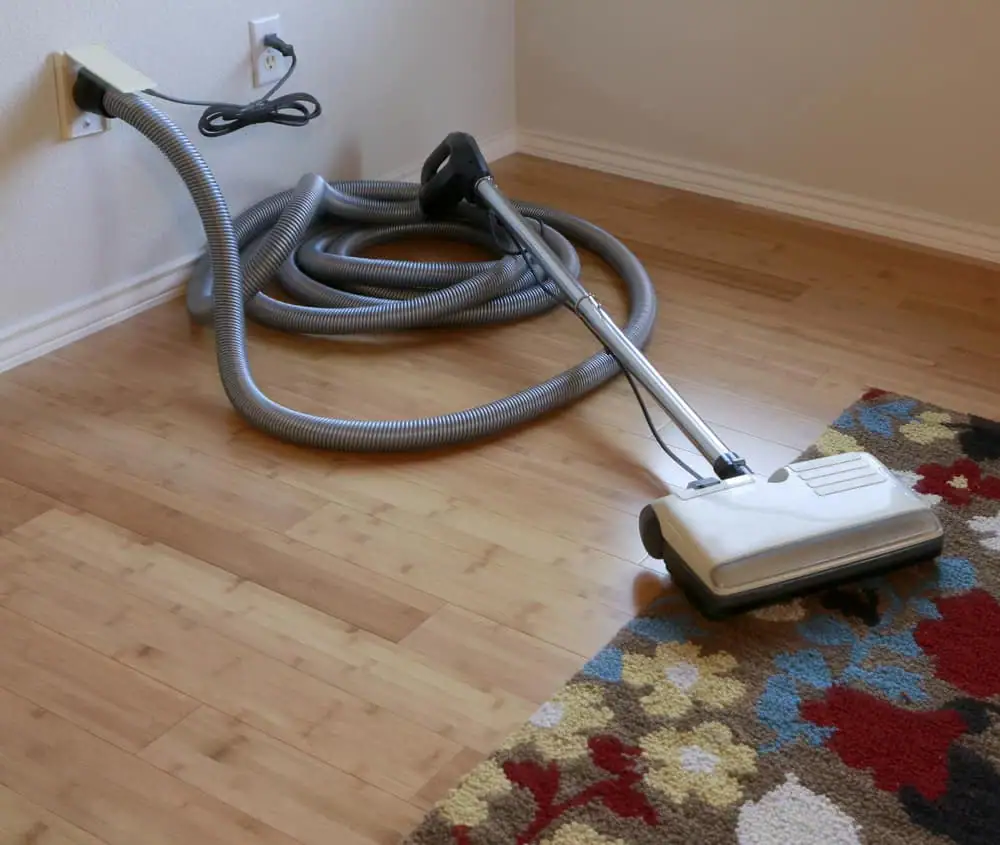
When people search for the most powerful central vacuum, they’re usually looking at air watts — the measurement that combines suction and airflow into a single number. More air watts generally means more cleaning potential. But “potential” is the operative word, because raw power only matters if it’s being applied correctly at the surface level.
Think of it this way: a high-pressure water line with a pinhole nozzle doesn’t clean a driveway the same way a proper pressure washer nozzle does. Central vacuum works the same way. A system rated at 1,200 air watts with an air-driven turbine powerhead will clean carpet less effectively than an 800-air-watt system with a quality electric powerhead, because the electric brush is agitating the carpet fibers regardless of suction fluctuation.
For Nassau County homeowners with pets — and there are a lot of them — this matters in a very specific way. Pet hair embeds into carpet fibers in a way that suction alone doesn’t fully extract. The mechanical agitation from a motor-driven brush roll is what lifts that hair before suction removes it. Buyers who switched from a Dyson upright often describe being surprised by how much better the central vacuum handles pet hair, but that result depends almost entirely on having the right powerhead.
The crevice tool is another underestimated piece of the attachment equation. With the suction a central vacuum generates, a quality crevice tool reaches into the gap between your refrigerator and the cabinet, along the baseboard in the bedroom, and into the corners of stairs in a way that no portable vacuum can match. For homes that have accumulated years of debris in those tight spaces — which describes a lot of older Nassau County homes — the crevice tool does work that nothing else in the kit can replicate.
Can You Add Attachments to an Existing Central Vacuum System?
This is one of the most common questions we hear, and the answer is yes — with one important caveat. Most standard central vacuum attachments use a 1-1/4-inch fitting and are broadly compatible across brands and systems. If you have a system that was installed five or ten years ago and you want to add a pet-specific tool or a better dusting brush, that’s usually straightforward.
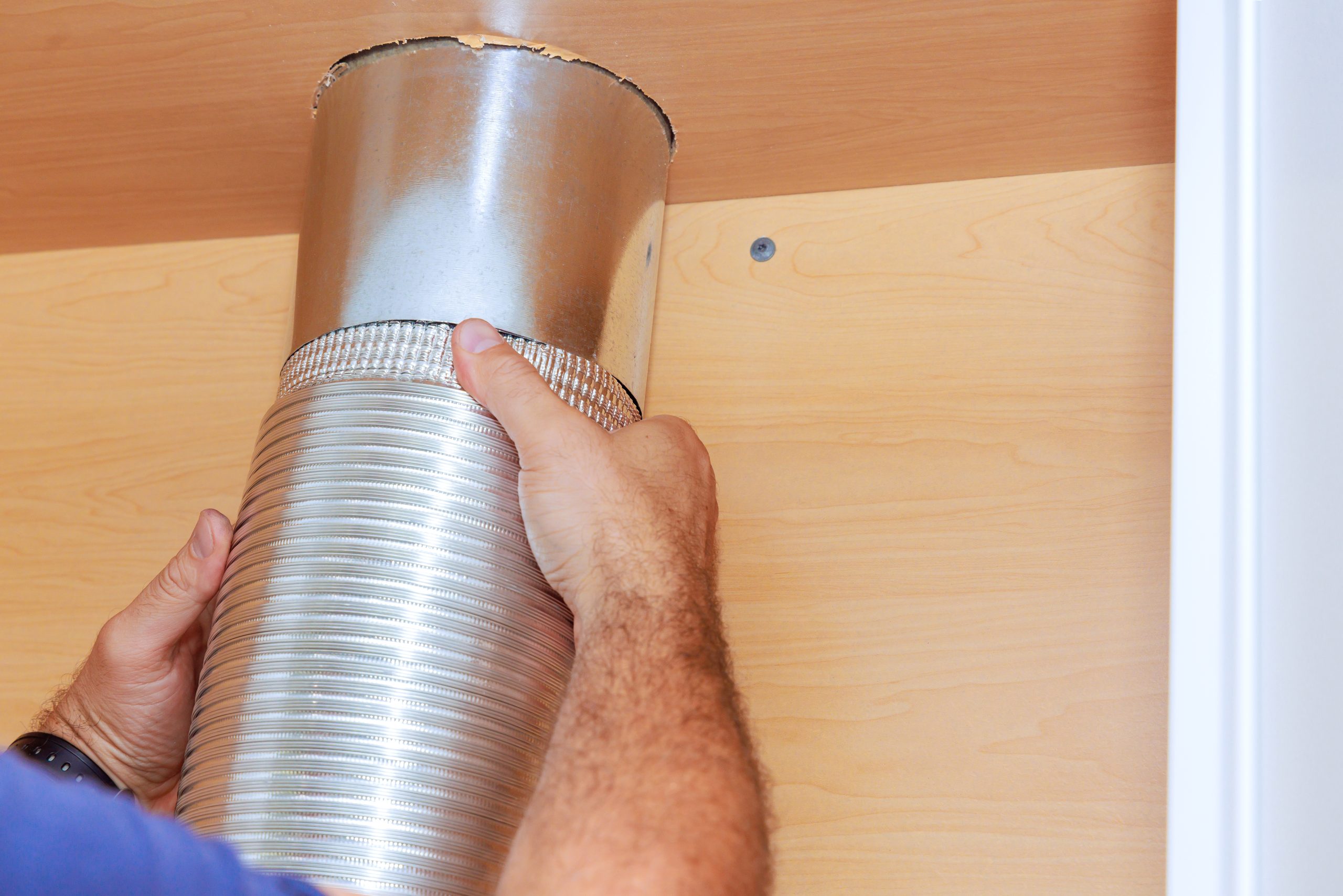
The caveat is electric powerheads. Adding an electric powerhead to an existing system requires a compatible hose — specifically one with a low-voltage connection that carries the signal to the powerhead’s motor. If your current hose is a standard air-only hose, you can’t just plug in an electric powerhead and expect it to work. You’d need to swap the hose at the same time, which is a simple change but one that requires knowing your system’s inlet valve type and hose diameter before you order anything.
This is exactly the kind of question that sounds simple online but gets complicated fast when you’re standing in front of an existing system trying to figure out what generation of components you have. We’ve been working on central vacuum systems across Nassau County for over 50 years — the Cape Cods in Levittown, the colonials in Great Neck, the renovated kitchens in East Garden City — and the range of systems we encounter is wide. Some are recent installations with modern components. Others are older systems that work fine but need the right add-ons to perform at their potential.
If you’re not sure what your system supports, the fastest answer isn’t a product page — it’s a conversation with someone who can look at what you have and tell you exactly what’s compatible. That’s something we do regularly, and it saves homeowners from buying attachments that don’t fit or don’t perform the way they expected.
Choosing the Right Central Vacuum Attachments for Your Nassau County Home
The standard kit that comes with most systems is a starting point, not a complete solution. For Nassau County homes with mixed floors, pets, allergy concerns, or limited storage space, the right attachment setup looks different from one house to the next — and getting it right is what separates a system you use every day from one you eventually stop reaching for.
The good news is that this isn’t complicated once you know what your home actually needs. Whether you’re designing a new installation, upgrading an existing system, or just trying to figure out why your current setup isn’t performing the way you expected, the attachment conversation is usually where the answer lives.
DuraVac, Inc. has been doing this work across Nassau County for over 50 years — one type of system, done well, for homes that deserve a setup that actually fits them. If you want to talk through what your home needs, we’re available six days a week and you’ll reach a person when you call.