Summary:
If you’ve been dealing with allergies and feel like nothing quite fixes it at home, you’re not imagining things. You vacuum regularly, maybe you’ve invested in a quality air purifier, and yet every spring and fall in Nassau County still knocks you flat. The frustrating part? Your vacuum might actually be making things worse.
A central vacuum cleaner system works on a completely different principle than anything sitting in your closet right now — and there’s clinical research to back that up. Here’s what the science actually shows, how the system works, and why it matters specifically for homes across Nassau County.
How a Central Vacuum Cleaner System Actually Works
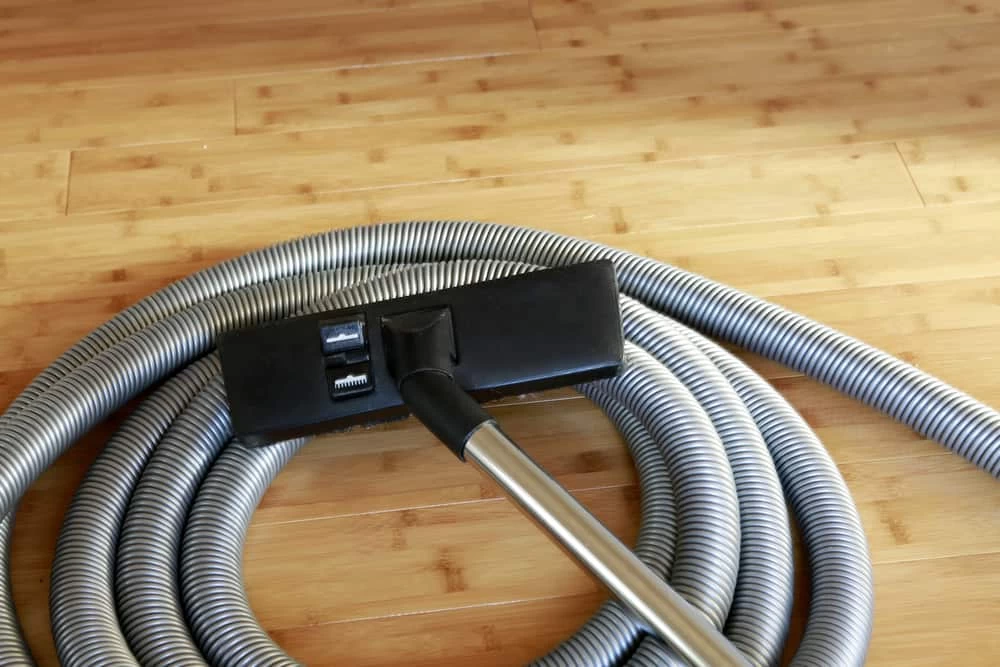
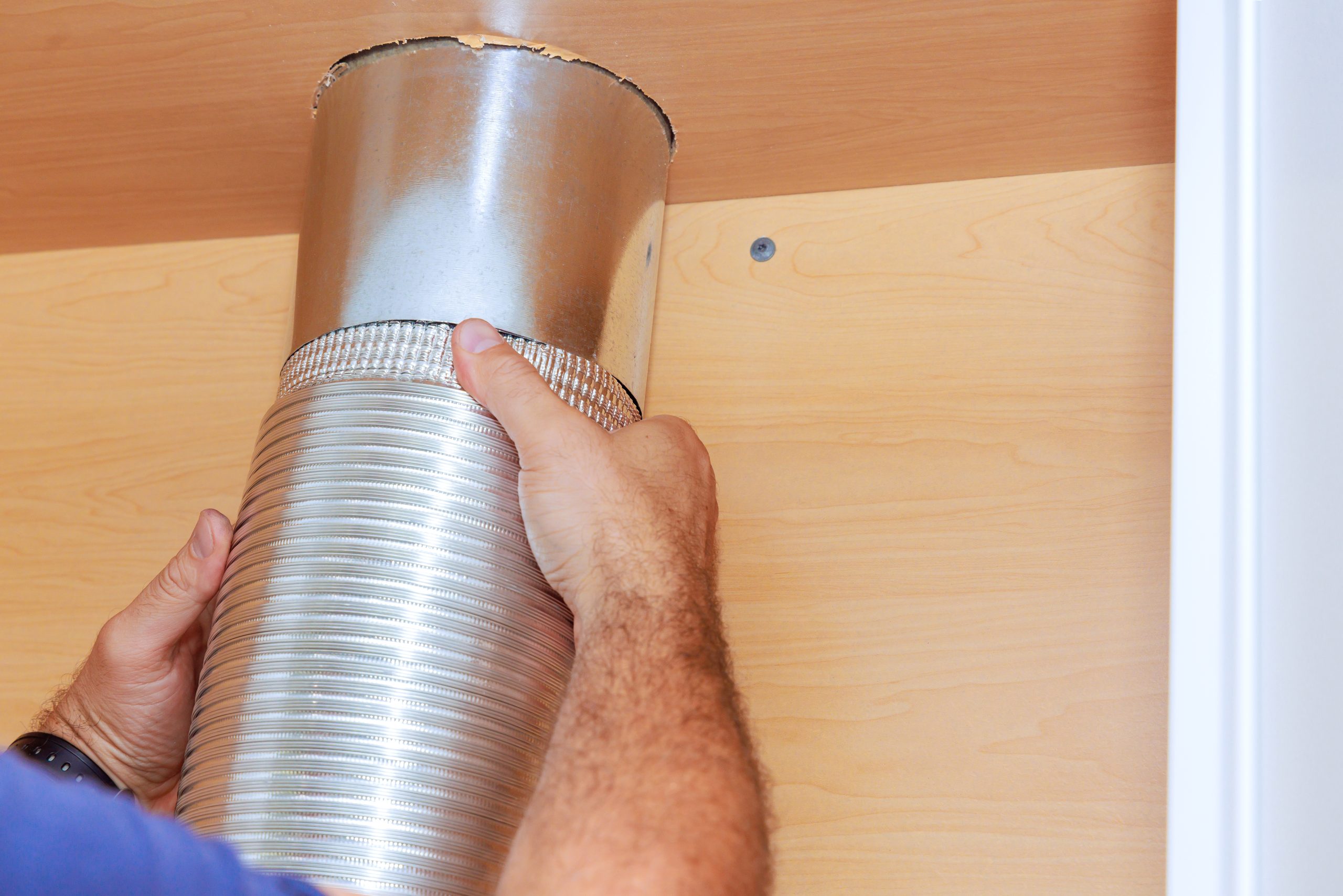
A central vacuum system is a built-in home appliance — not a portable unit you drag from room to room, but a permanent installation with a power unit mounted in a remote location like your basement or garage, and a network of tubing running through the walls to inlet valves in each room.
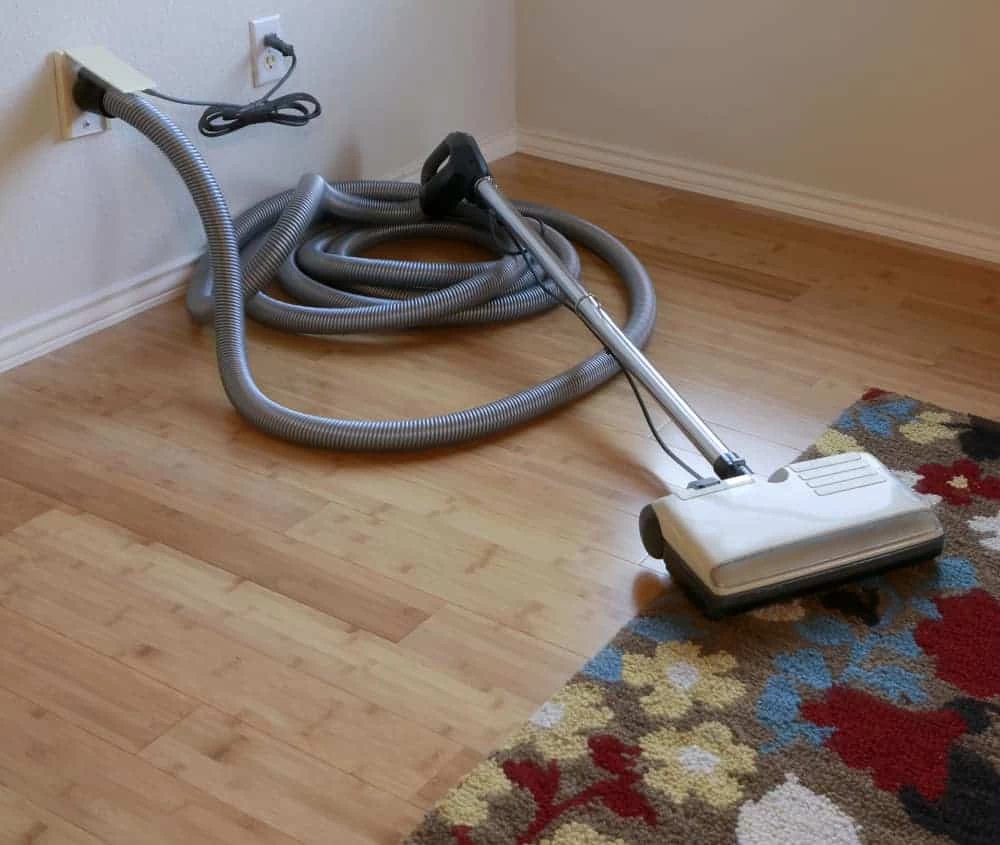
You plug a lightweight hose into the nearest inlet, clean the room, and when you’re done, everything you vacuumed — dust, pollen, pet dander, mold spores — travels through the tubing and into a sealed canister nowhere near your living space.
That last part is the key distinction. With a portable vacuum, the dirt goes into a bin or bag that sits in the same room you’re cleaning. The motor exhausts air — along with fine particles it couldn’t fully capture — right back into your breathing zone. Our central vacuum systems remove the entire exhaust system from the equation.
Why Your Current Vacuum May Be Hurting Your Allergies
This is the part most people haven’t heard, and it changes the conversation entirely. Research from the Environmental and Occupational Health Sciences Institute found that portable vacuum cleaners generate fine particulate matter through normal motor wear and tear — and exhaust millions of those particles per minute directly into the room. This happens regardless of the vacuum’s price point or filtration rating.
Even vacuums marketed as HEPA-certified have a window of vulnerability during operation when fine particles pass through before the filter fully captures them. Once disturbed, those particles don’t just disappear — fine dust can take over two hours to fully resettle after you’ve finished vacuuming. So the act of cleaning creates a two-hour window of elevated allergen exposure in the very room you just cleaned.
The University of California, Davis Division of Allergy and Immunology ran a clinical study that put hard numbers on the difference. Patients who switched from portable vacuums to central vacuum systems experienced a 40% to 61% improvement in allergy symptoms — across sleep quality, nasal symptoms, eye symptoms, and overall emotional wellbeing. Central vacuum was rated superior in every single category evaluated.
The EPA has also stated directly that central vacuum systems vented outdoors can significantly reduce dust mites, pollens, animal dander, and other allergy-causing agents. For Nassau County residents who are already seeing allergists and still struggling at home, this is worth understanding.
Why Nassau County's Climate Makes Central Vacuum Cleaning Essential
Nassau County sits between the Atlantic Ocean and Long Island Sound, which means coastal humidity is a year-round reality — not just a summer inconvenience. That humidity creates conditions indoors where mold growth is a persistent concern, especially in older homes that weren’t built with modern vapor management in mind.
The majority of Nassau County’s housing stock was built between the 1940s and 1970s, and those tightly sealed post-war homes were designed for energy efficiency, not allergen ventilation. What stays out also stays in.
Add to that Long Island’s ragweed season, which peaks in the fall and ranks among the most intense in the Northeast, plus tree pollen in spring and grass pollen through summer, and you have a year-round allergen cycle that never fully lets up. Pet ownership compounds it further — and Nassau County has no shortage of dog owners who have tried multiple vacuums and still can’t get ahead of the dander.
A portable vacuum in this environment is working against real odds. It can remove surface-level debris, but it’s cycling fine allergens back into the air every time you run it. A central vacuum system — one that vents exhaust to the exterior of the home — removes 100% of contacted allergens from the living space. Nothing is recirculated. The motor, the exhaust, the canister: all of it stays outside your main living area. For a home in Great Neck, Hicksville, Massapequa, or anywhere across Nassau County, that structural difference in how the system works is exactly what makes central vacuum cleaning a genuine health decision rather than just a cleaning upgrade.
Nassau County Allergy and Pulmonology Specialists
If you’re already working with an allergist or pulmonologist, you’ve probably been told to reduce indoor allergens at home. What you may not have been told is the most effective way to do that structurally. Below is a curated list of allergy, asthma, and pulmonology practices serving Nassau County — specialists who understand the respiratory burden Long Island’s environment places on their patients. The conversation between a patient and their doctor and the conversation about what to do at home should be connected.
Allergy and Respiratory Care Across Nassau County

ENT and Allergy Associates operates multiple locations across Nassau County and is one of the most established allergy practices on Long Island, handling everything from seasonal allergic rhinitis to chronic sinus conditions.
ProHEALTH Lake Success Allergy, based in Lake Success, offers comprehensive allergy and immunology care for both adults and children.
Long Island Allergies is a Nassau County practice focused on diagnosis and management of environmental and seasonal allergies — exactly the conditions most affected by indoor air quality.
Allied Physicians Group runs an Allergy, Asthma & Sinus Center of Long Island out of Westbury, with services that include pediatric pulmonology and sleep care for patients up to age 26 dealing with asthma, respiratory conditions, and allergy-related sleep disruption.
The Allergy and Asthma Care Center in Nassau County provides immunotherapy and allergy testing for patients who haven’t found adequate relief through medication alone.
Dr. Louis E. Guida Jr. at Heart and Health Medical brings over 36 years of experience as a board-certified allergist and immunologist, seeing patients from locations in Massapequa and Plainview. He also operates under the names Long Island Asthma Doctor and Long Island Pediatric Allergist, reflecting a practice that spans both adult and pediatric respiratory care.
Dr. Sebastian Lighvani of New York Allergy & Asthma is a board-certified allergist known for an integrative approach to allergy and asthma care, with Nassau County patients consistently noting his thoroughness in patient reviews.
On the pulmonology side, Island Pulmonary Associates, Nassau Chest Physicians PC, and Pulmonary and Critical Care Consultants all serve Nassau County residents dealing with chronic respiratory conditions — including asthma, COPD, and conditions where indoor air quality plays a direct role in symptom management. If your doctor has recommended reducing your exposure to dust mites, pet dander, or mold spores at home, a central vacuum system is one of the most clinically supported structural changes you can make.
Central Vacuum Installation in Nassau County Homes: What to Expect
One of the most common concerns we hear from homeowners — especially those who’ve recently renovated a kitchen or finished a basement — is that installation will mean cutting into finished walls and undoing work they’ve already paid for. It’s a fair concern, and it’s worth addressing directly.
In most existing homes, central vacuum tubing is routed through wall cavities, attic spaces, and basement ceilings rather than through finished surfaces. The goal is always to find the path of least disruption, and for Nassau County’s post-war housing stock, that usually means working with the home’s existing framing rather than against it. We’ve installed systems in homes where the owners were genuinely nervous about the process and walked away impressed by how clean the job site looked when we were done.
For homeowners who are hesitant about hose management — the idea of pulling a long hose from room to room — we offer Hide-A-Hose systems that address this specifically. The hose retracts entirely into the wall when you’re not using it. You pull it from a specially designed inlet, clean the room, release it, and the system draws it back in. Nothing to coil, store, or trip over.
Every installation we do starts with a conversation about your home’s layout, square footage, and how your family actually uses the space. Nassau County homes vary significantly — a cape cod in Hicksville has different routing considerations than a colonial in Great Neck or a ranch on Nassau Shores. Getting the inlet placement right from the start is what determines whether the system feels effortless to use every day.
Is a Central Vacuum System Right for Your Nassau County Home?
If allergies are the reason you’re asking, the clinical answer is yes — and the evidence comes from sources that have no stake in selling you a vacuum. The UC Davis immunology study, the EPA’s guidance on allergen reduction, and the findings on portable vacuum particulate exhaust all point in the same direction. A central vacuum cleaner system removes the problem from your living space rather than redistributing it.
For Nassau County specifically, the case is stronger than it might be elsewhere. The coastal humidity, the ragweed seasons, the older housing stock that traps allergens — these aren’t generic concerns. They’re the conditions your home is actually dealing with, and a system designed to remove 100% of contacted allergens from your living space is a direct response to them.
Central vacuum systems are also built to last — well over two decades with routine maintenance, which changes the math considerably compared to replacing portable vacuums every few years. If you’re ready to talk through what a system would look like in your specific Nassau County home, we at DuraVac, Inc. offer free consultations and have been doing this work across Nassau County and Long Island long enough to know the homes, the neighborhoods, and the questions worth asking before you commit.