Summary:
Most people who look into central vacuum installation aren’t unhappy with their current vacuum — they’re just starting to wonder if there’s something better. Maybe your allergies haven’t improved despite vacuuming regularly. Maybe you’re tired of the noise, the cord, or the fact that you’ve replaced the same portable vacuum twice in ten years. Whatever brought you here, the question is fair: is a built-in system actually different enough to matter? The answer is yes — but not for the reasons most people expect. Here’s what the comparison actually looks like.
What Makes a Central Vacuum Cleaner Different From a Portable?
The most fundamental difference isn’t suction or convenience — it’s where the dirt goes. A portable vacuum pulls debris into a canister or bag that sits in the same room you’re cleaning, and the exhaust air gets filtered and pushed back into your living space. A central vacuum cleaner routes everything through tubing in your walls to a power unit — typically in a basement or garage — and vents it outside your home entirely.
That single design difference is what drives most of the other advantages. The motor doesn’t need to be small enough to carry, so it can be significantly more powerful. The exhaust doesn’t recirculate through your living area, so allergens don’t come back. And because the heavy equipment stays out of the room, the experience of vacuuming changes completely.

Whole House Vacuum Power vs. What Your Portable Actually Delivers
Here’s the number that surprises most people: central vacuum systems can deliver three to five times more suction power than portable vacuums. That’s not a marketing claim — it’s a function of physics. A portable vacuum has to balance power against weight, size, and heat management, all in a unit you carry from room to room. A whole house vacuum system doesn’t have any of those constraints. The motor sits in a fixed location, it can be as large as the job requires, and it doesn’t need to be quiet or lightweight.
For Nassau County, NY homeowners with pets, this matters more than it might seem. A Dyson or a Shark is genuinely good at surface cleaning, but pet dander, fine dust, and allergen particles embed themselves in carpet fibers and upholstery at a level that requires real suction to pull out. The difference between adequate suction and three to five times that suction isn’t subtle — you’ll notice it in the first pass.
There’s also the recirculation problem that portable vacuums rarely advertise. Even with a HEPA filter, a portable vacuum pushes exhaust air back into the room after filtering it. Any particles that get through — and some always do — go right back into the air you’re breathing. A central vacuum vented to the exterior removes 100% of vacuumed debris from your living space. The EPA has specifically cited central vacuum systems vented outdoors as a meaningful way to reduce dust mites, pollens, animal dander, and other allergens in the home. A University of California-Davis School of Medicine study found that central vacuum systems can reduce allergy symptoms by as much as 61%. For anyone in Nassau County dealing with fall ragweed season or the mold that comes with coastal humidity, that’s not a small thing.
Central Vacuum Cleaning Is Quieter Than You'd Expect — Here's Why
One of the least-discussed advantages of central vacuum cleaning is the noise — or rather, the lack of it. With a portable vacuum, the motor is right there in the room with you. It’s loud by design, and there’s no getting around it. With a central vacuum system, the motor is in your basement or garage. What you hear at the inlet is the sound of airflow, not a spinning motor six inches from your feet.
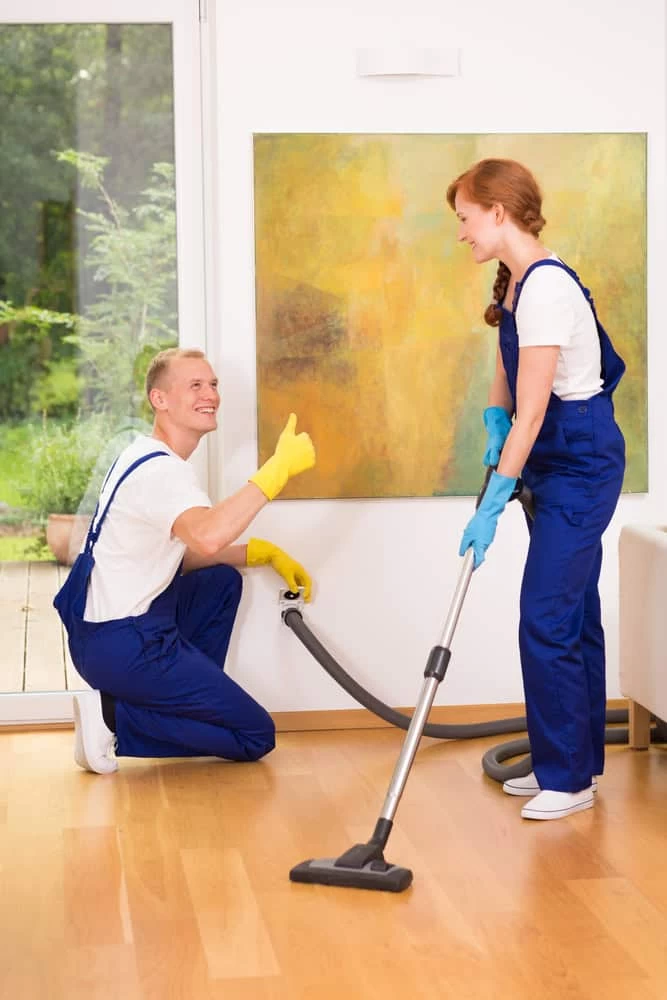
This changes the experience of vacuuming more than most people anticipate. You can vacuum while someone is on a work call in the next room. You can run the system while a baby is sleeping. You can carry on a conversation without shouting.
For Nassau County homes — many of which are post-WWII colonials and Cape Cods where the rooms are close together and the walls aren’t especially thick — this is genuinely practical. These homes weren’t built with sound isolation in mind. Having the motor noise contained to the basement rather than echoing through the main floor makes a real difference in daily life.
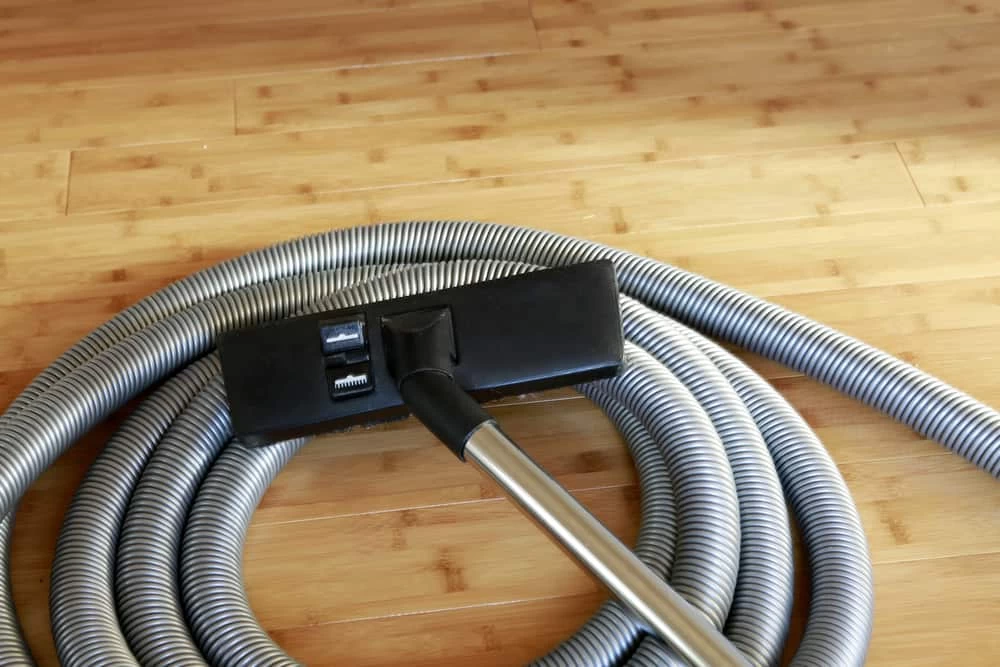
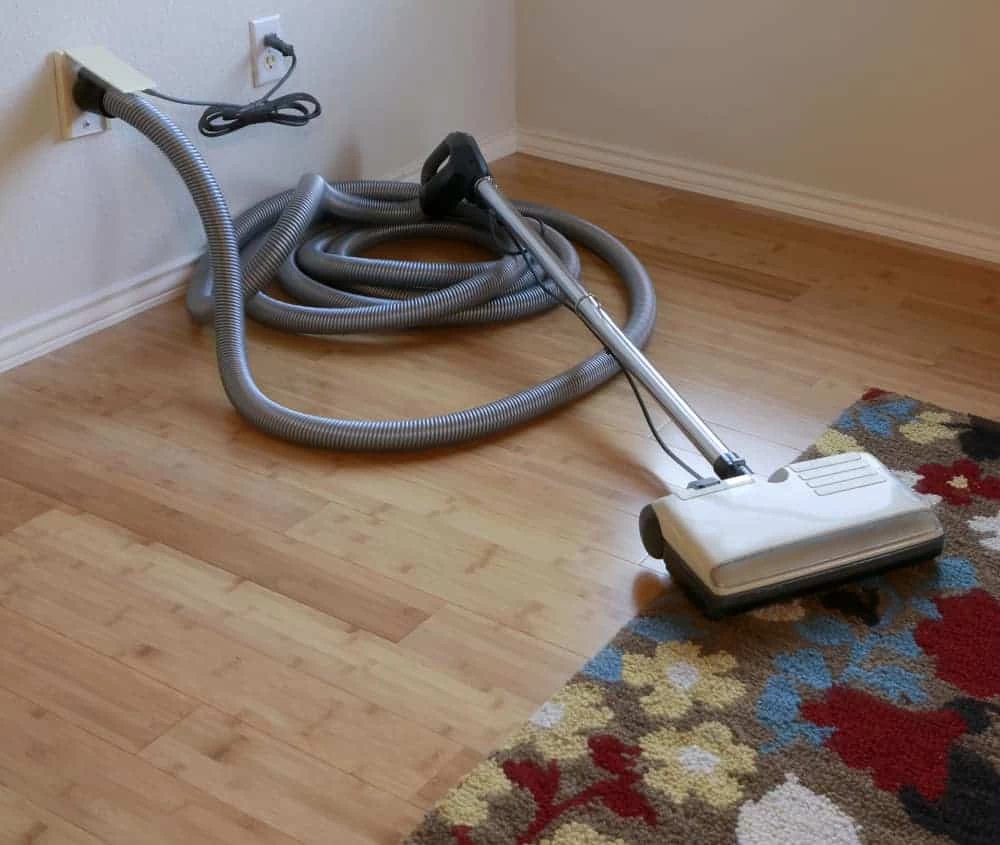
There’s also the physical experience of the cleaning itself. No cord to manage, no unit to reposition every few minutes, no carrying anything up or down stairs. You plug the hose into the nearest wall inlet and move through the room. When you’re done, the hose goes back on its hook. If you’ve had a Hide-A-Hose system installed — which retracts the hose directly into the wall — you don’t even deal with hose storage. You pull out what you need and it disappears when you’re finished.
Central Vacuum Installation in an Existing Nassau County Home: What It Actually Involves
The biggest misconception we run into is that central vacuum installation is only practical in new construction — that retrofitting an older home means tearing up walls and living in a job site for a week. That’s not how we do it.
Nassau County’s housing stock is dominated by homes built in the post-WWII era, most of them between the 1940s and 1970s. The average single-family home in Nassau County, NY is about 73 years old. These homes — the colonials in Garden City, the ranches in Levittown, the Cape Cods in Massapequa — were built before central vacuum was standard. But they’re also exactly the kind of homes that retrofit well. They have basements, accessible wall cavities, and the structural characteristics that make a clean, minimally invasive installation straightforward for an experienced installer.
Can Central Vacuum Be Installed in an Older Home Without Major Disruption?

Yes — and this is something we hear relief about from homeowners regularly. The concern is understandable. If you’ve just renovated your kitchen or refinished your floors, the last thing you want is a contractor opening up walls and leaving a mess. A well-planned central vacuum installation in an existing home doesn’t require that.
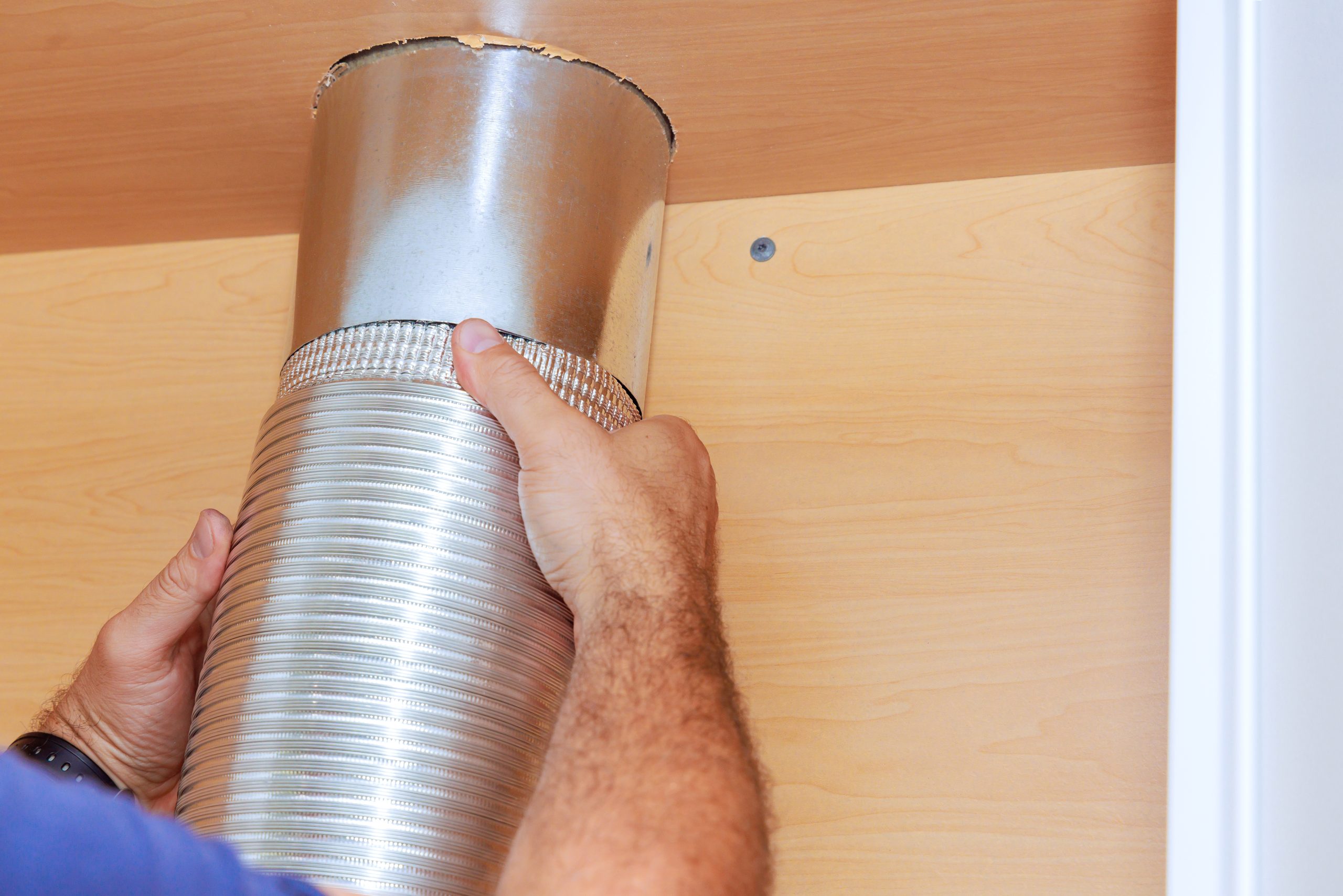
The process starts with a layout assessment: where the inlets will be placed, how the tubing will run through the walls or along the basement ceiling, and where the power unit will be mounted. In most Nassau County homes, the power unit goes in the basement, which simplifies the routing significantly — tubing runs from the living areas down through interior walls and connects to the unit below. Inlets are typically placed in hallways, near stairwells, and at room entry points so that a standard hose can reach every corner of each floor without repositioning.
The installation itself is done in a single visit for most homes. Walls are accessed through small, precise openings at the inlet locations — not gutted. The tubing runs are planned to minimize visible work. When the job is done, the inlets are flush-mounted and the walls look exactly as they did before. We’ve had customers tell us they were genuinely surprised by how clean the process was, including homeowners who had just completed major renovations and were nervous about any additional work.
One thing that matters here is experience. The difference between an installer who has done this hundreds of times in Nassau County homes and one who hasn’t shows up in the details: how cleanly the inlets sit, how well the tubing is routed, whether suction is consistent at every outlet. This is a specialty trade, not a general handyman job, and the result reflects that.
How Long Does a Central Vacuum System Last Compared to a Portable?
This is where the long-term picture comes into focus. A well-maintained central vacuum system lasts 20 to 30 years. A portable vacuum — even a good one — typically lasts five to eight years before the motor weakens, the filter system degrades, or the cost of repair stops making sense. Over a 25-year period, most households go through three or four portable vacuums.
Central vacuum also adds documented value at resale. In Nassau County, NY, where the median sold price for a single-family home reached $775,000 in late 2024, a built-in system is a legitimate selling point — the kind of feature that signals a well-maintained, upgraded home to a buyer. It’s not the reason someone buys a house, but it’s the kind of detail that holds up during a walkthrough.
There’s also the question of what you’re getting for the life of the system. A portable vacuum depreciates from day one. The suction weakens, the filters clog more easily, and the convenience of a new model starts looking appealing after a few years. A central vacuum system doesn’t work that way. The power unit is fixed, the tubing is permanent, and the performance stays consistent. Maintenance is straightforward — emptying the canister, occasional filter checks — and the system doesn’t need to be replaced just because a newer model came out.
For Nassau County homeowners who are already investing in their homes — finishing basements, updating kitchens, improving insulation — central vacuum fits naturally into that pattern. It’s not a luxury add-on. It’s a practical, long-lived home improvement that solves a real daily problem and holds its value.
Is Central Vacuum Installation Worth It? Here's the Honest Answer
If you’re already happy with your portable vacuum and your home doesn’t have allergy concerns, pets, or multiple floors, the case is less urgent. But for most Nassau County homeowners — especially those in older homes dealing with seasonal allergens, pet hair, or the simple fatigue of managing a portable vacuum across two or three floors — the differences are real and they add up.
More suction, cleaner air, less noise, a 20-to-30-year lifespan, and an installation process that doesn’t require tearing up your home. Those aren’t small things. And the retrofit process in Nassau County’s housing stock is more straightforward than most people assume when they first start looking into it.
If you’re at the point where you want to understand what this would actually look like in your specific home, we at DuraVac, Inc. offer free consultations. It’s a good way to get a straight answer without any commitment — and to find out whether your home is a good candidate before you make any decisions.