
Summary:
Your central vacuum system represents a serious investment in your home’s cleaning efficiency and air quality. When it’s working properly, you barely think about it. When it’s not, you’re dealing with weak suction, strange noises, or a system that won’t turn on at all.
Regular professional service keeps your system running the way it should. It catches wear before it causes failures, maintains the suction power you bought the system for, and protects the warranty coverage that came with it. Most Long Island homeowners don’t realize how much a simple annual inspection can save them until they’re facing a motor replacement that could have been prevented.
Here’s what you actually need to know about central vacuum service and when professional help makes sense.
What Professional Central Vacuum Service Actually Includes
Professional central vacuum service goes beyond emptying the canister. A real service appointment involves systematic inspection and maintenance of every component that affects your system’s performance.
We start with the power unit itself. We check motor function, test suction levels, inspect electrical connections, and look for early warning signs of component wear. This is where most expensive problems start, and it’s where preventive maintenance pays off most.
The inspection extends to your entire system. That means checking inlet valves for proper operation, testing suction at each wall port, inspecting visible piping for leaks or damage, and verifying that your hose and attachments are functioning correctly.

Central Vacuum System Service Components
The power unit sits at the heart of your central vacuum system, and it’s where professional service matters most. Motors work hard, and they need attention to maintain performance over decades of use.
During a thorough service, we clean the motor housing, check for overheating issues, and test amp draw to ensure the motor isn’t working harder than it should. We inspect motor brushes for wear, verify that cooling systems are clear, and make sure electrical components are functioning within normal parameters. Small adjustments here prevent the kind of motor failures that cost hundreds to repair.
Filter maintenance is equally critical. Clogged filters force your motor to work harder, reduce suction throughout your system, and can actually shorten the life of your equipment. Professional service includes cleaning or replacing filters based on your system type, checking filter seals to prevent dust bypass, and making sure your filtration is actually doing its job.
The canister or collection system needs regular attention too. Even if you empty it yourself between services, professional cleaning removes the fine dust that builds up over time and can affect system performance. We check seals, clean sensors if your system has them, and make sure the canister is properly secured and sealed.
Your wall inlets see constant use, and they’re often where problems first become noticeable. Professional service includes testing each inlet for proper electrical function, checking low-voltage wiring connections, inspecting inlet valves for wear or damage, and making sure the mechanical components operate smoothly. An inlet that’s starting to fail can often be repaired during routine service before it stops working completely.
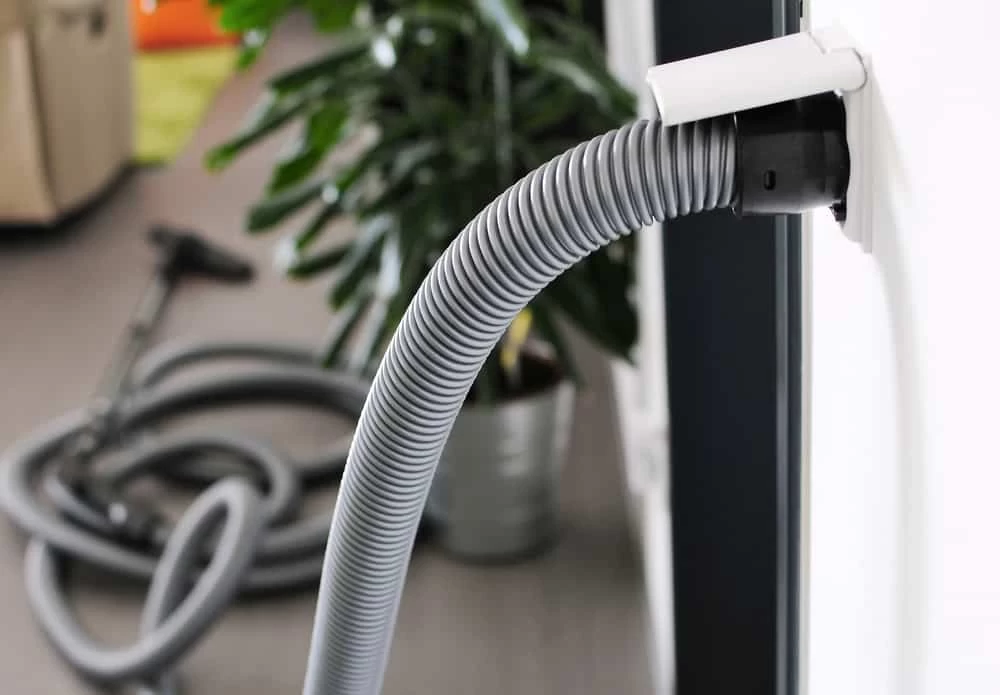
Hose inspection might seem basic, but it catches problems that homeowners often miss. We look for cracks or weak spots in the hose material, test electrical connections on powered hoses, check for blockages that reduce suction, and verify that attachments fit properly and seal correctly. A hose that’s losing suction through a small crack can make your entire system seem like it’s failing when the fix is actually simple.
Central Vacuum Cleaning Service Frequency
How often your central vacuum needs professional service depends on how you use it. But there are some general guidelines that apply to most Long Island homes.
Annual service works for most homeowners. If you’re using your system regularly but not excessively, once a year gives us the chance to catch wear before it causes problems. This timing aligns with filter replacement schedules for most systems and keeps everything running efficiently.
Twice-yearly service makes sense for heavy use situations. If you have pets, if you’re dealing with beach sand regularly, or if you’re running your system several times a week, more frequent professional attention prevents the accelerated wear that comes with constant use. Homes near the water in Nassau County often benefit from this schedule because salt air and humidity create additional maintenance needs.
Between professional services, you’re not off the hook. Empty your canister before it gets completely full. Check your hose periodically for obvious blockages. Pay attention to any changes in suction or unusual sounds. These simple checks help you catch problems early, and they make professional service more effective when it happens.
The cost difference between preventive service and emergency repairs is significant. Annual maintenance typically runs $100 to $150. Emergency service calls average over $300, and that’s before parts or major repairs. When you factor in the inconvenience of a system that’s down and the potential for secondary damage from neglected problems, preventive maintenance pays for itself.
Central Vacuum Maintenance: When to Call a Professional
Some central vacuum maintenance you can handle yourself. Other issues require professional expertise, specialized tools, and experience with these systems.
The line between DIY and professional service isn’t always obvious. You can empty canisters, replace filters if you know your system type, and check for obvious clogs in your hose. But when problems go deeper than surface-level maintenance, professional help protects your investment and often saves money in the long run.
Knowing when to make that call prevents small issues from becoming expensive failures.
Signs Your Central Vacuum Needs Professional Service
Loss of suction is the most common reason homeowners call for service. But weak suction has multiple possible causes, and diagnosing the real problem takes experience.
If suction is weak at all inlets, the issue is likely in your power unit, main filter, or a leak in your piping system. If only one or two inlets have weak suction, you’re probably dealing with a blockage in that specific line or a problem with those inlet valves. We have the tools to pressure-test your system, locate leaks you can’t see, and clear blockages deep in your piping without damaging anything.
Strange noises or smells mean stop using your system immediately. Grinding, squealing, or loud humming usually points to motor problems. Worn bearings, failing motor brushes, or overheating can all cause these symptoms. A burning smell is especially serious because it indicates electrical issues or motor components that are failing. Continuing to run your system when it’s making these sounds can turn a repairable problem into a complete motor replacement.
Electrical issues require professional attention for safety reasons. If your system won’t turn on, if it shuts off unexpectedly, or if you’re experiencing random start-ups, you’re dealing with wiring problems, relay failures, or circuit board issues. These aren’t DIY repairs. They require proper diagnosis, the right replacement parts, and knowledge of electrical systems.
Persistent clogs that you can’t clear yourself often indicate problems beyond a simple blockage. If you’ve checked your hose and the clog isn’t there, it’s somewhere in your piping system. We can locate clogs using specialized equipment, clear them without damaging your pipes, and identify whether improper installation or system abuse caused the problem.
Performance that gradually declines over time might not seem urgent, but it indicates your system isn’t operating efficiently. Motors working harder than they should generate more heat, wear faster, and cost more to run. Professional service identifies why performance is declining and corrects it before efficiency problems become reliability problems.
Why Professional Service Beats DIY for Central Vacuums
The appeal of DIY central vacuum maintenance is understandable. You’re handy, you have tools, and you’d rather not pay someone for work you think you can do yourself.
But central vacuum systems are more complex than they appear. The technical precision required for proper maintenance, the specialized knowledge needed to diagnose problems correctly, and the warranty implications of DIY work all favor professional service.
Warranty protection is the first consideration. Most central vacuum manufacturers require professional installation and service to maintain warranty coverage. If you attempt repairs yourself and something goes wrong, you’ve voided the protection that would have covered the cost of fixing it properly. Professional service comes with documentation that satisfies warranty requirements and protects your investment.
Diagnostic accuracy saves money in the long run. Homeowners often misdiagnose central vacuum problems because the symptoms can have multiple causes. You might replace a motor that didn’t actually need replacing, or you might miss the real problem while fixing something that was working fine. We’ve seen these issues hundreds of times. We know what to look for, we have the testing equipment to verify our diagnosis, and we fix the actual problem the first time.
Proper technique matters more than most people realize. Central vacuum systems rely on airtight seals throughout the piping network. Connections that leak even slightly force your motor to work harder, reduce suction at your inlets, and shorten equipment life. We know how to achieve truly airtight connections, how to pressure-test systems to verify performance, and how to optimize your setup for maximum efficiency.
Safety is another factor that favors professional service. Central vacuum systems involve electrical components, motors that generate significant heat, and mechanical parts under load. Working on these systems without proper knowledge creates risks. We’re trained to work safely, we’re insured against accidents, and we follow protocols that protect both your home and ourselves.
The tools and parts availability gives us an advantage too. Specialized diagnostic equipment, proper replacement parts for your specific system, and access to technical specifications for hundreds of brands mean we can complete in one visit what might take you multiple attempts and parts orders.
Protecting Your Central Vacuum Investment
Your central vacuum system should last decades with proper care. The difference between systems that reach their full lifespan and those that fail prematurely usually comes down to maintenance.
Professional service catches problems early, maintains efficiency, and protects the warranty coverage that came with your system. It’s not about upselling services you don’t need. It’s about preventing the expensive failures that come from neglect and making sure your investment performs the way it should.
If you’re in Nassau County, NY and your central vacuum needs service, or if you simply want to establish a preventive maintenance schedule that protects your system long-term, DuraVac Central Vacuum Specialists brings over 50 years of specialized experience to every service call.