Summary:
Most Nassau County homeowners building or renovating spend months obsessing over the details — kitchen layouts, flooring, lighting, tile. And then, somewhere around the time the drywall crew is being scheduled, someone mentions central vacuum. By then, it’s almost too late.
The rough-in for a central vacuum system has to happen during a specific window in the construction sequence. Not before framing. Not after drywall. Right in between. Miss that window, and the system you could have had — hidden in the walls, fully optimized, no compromises — becomes a much more complicated and expensive conversation. Here’s what you need to know before that window closes.
How a Home Central Vacuum System Works
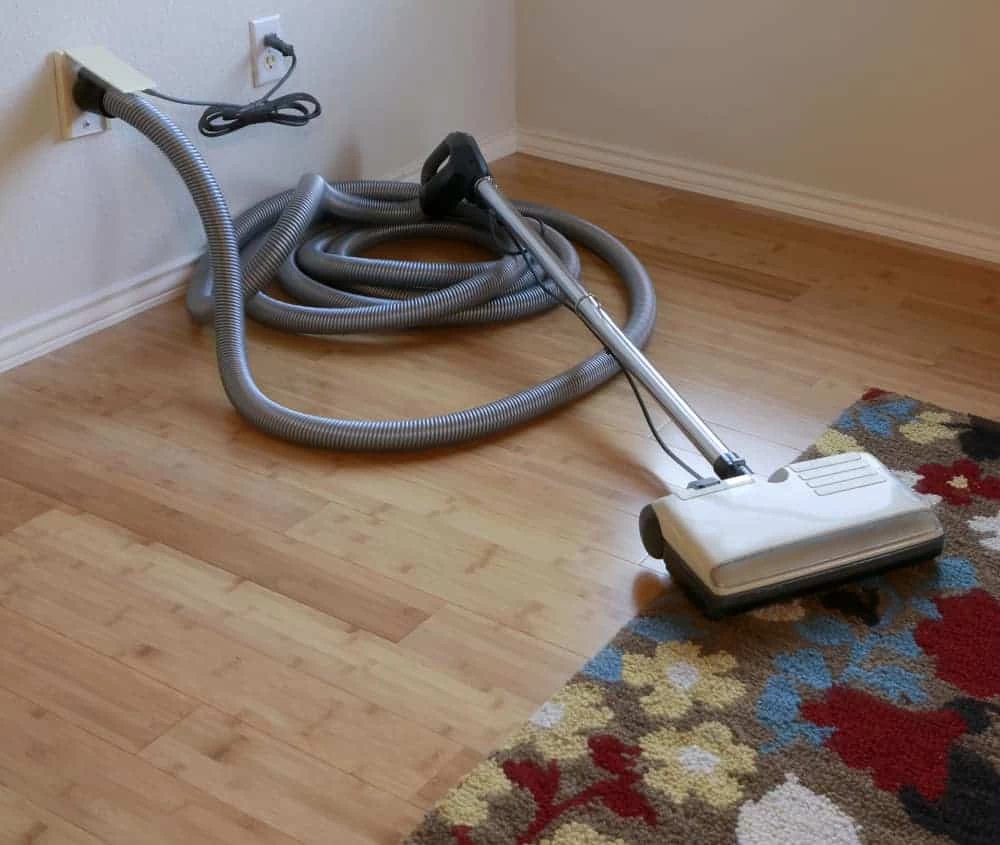
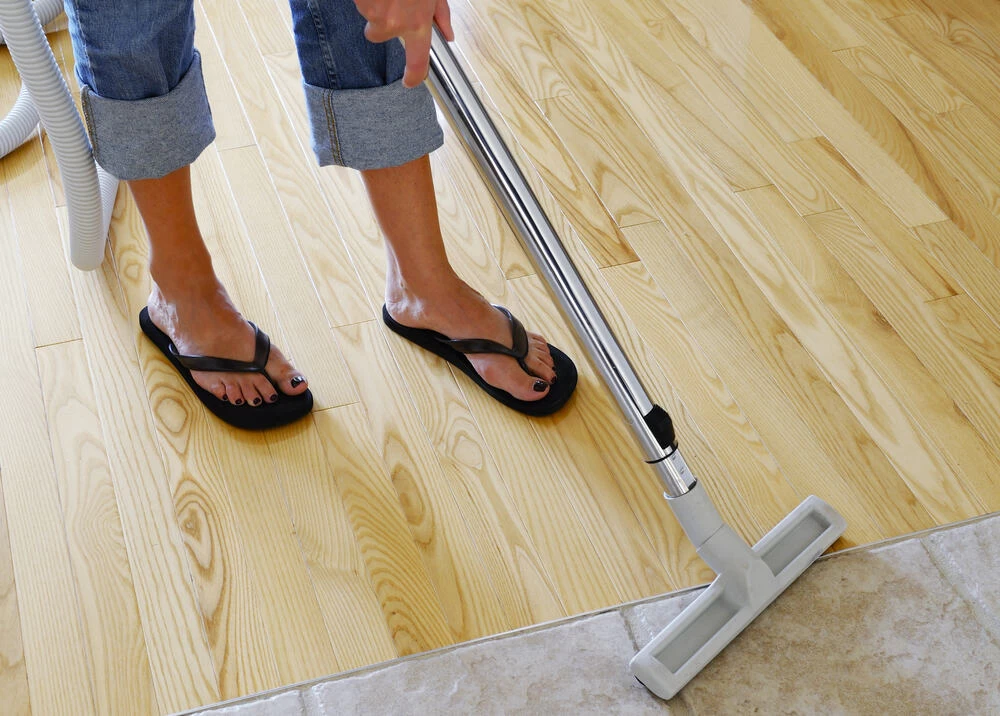
A home central vacuum system is built into the structure of the house itself. A motor unit — typically installed in a basement, garage, or utility area — connects to a network of PVC tubing that runs through your walls, floors, and ceilings. Inlet valves are mounted flush into the wall at strategic points throughout the home. When you’re ready to vacuum, you plug a hose into the nearest inlet, and the suction is immediate.
The exhaust goes outside the living space entirely. That’s the part that matters most for air quality — unlike a portable vacuum, which filters and recirculates air back into the room, a central system removes dust, dander, and allergens from your home’s environment completely. The motor never needs to be in the same room as you. You never lug it up a flight of stairs. It’s just there, built in, ready to go.
What Happens During the Rough-In Phase
Rough-in is the first of two installation visits. It happens after framing is complete and after the electricians and plumbers have finished their rough-in work — but before drywall is installed. That’s the window.
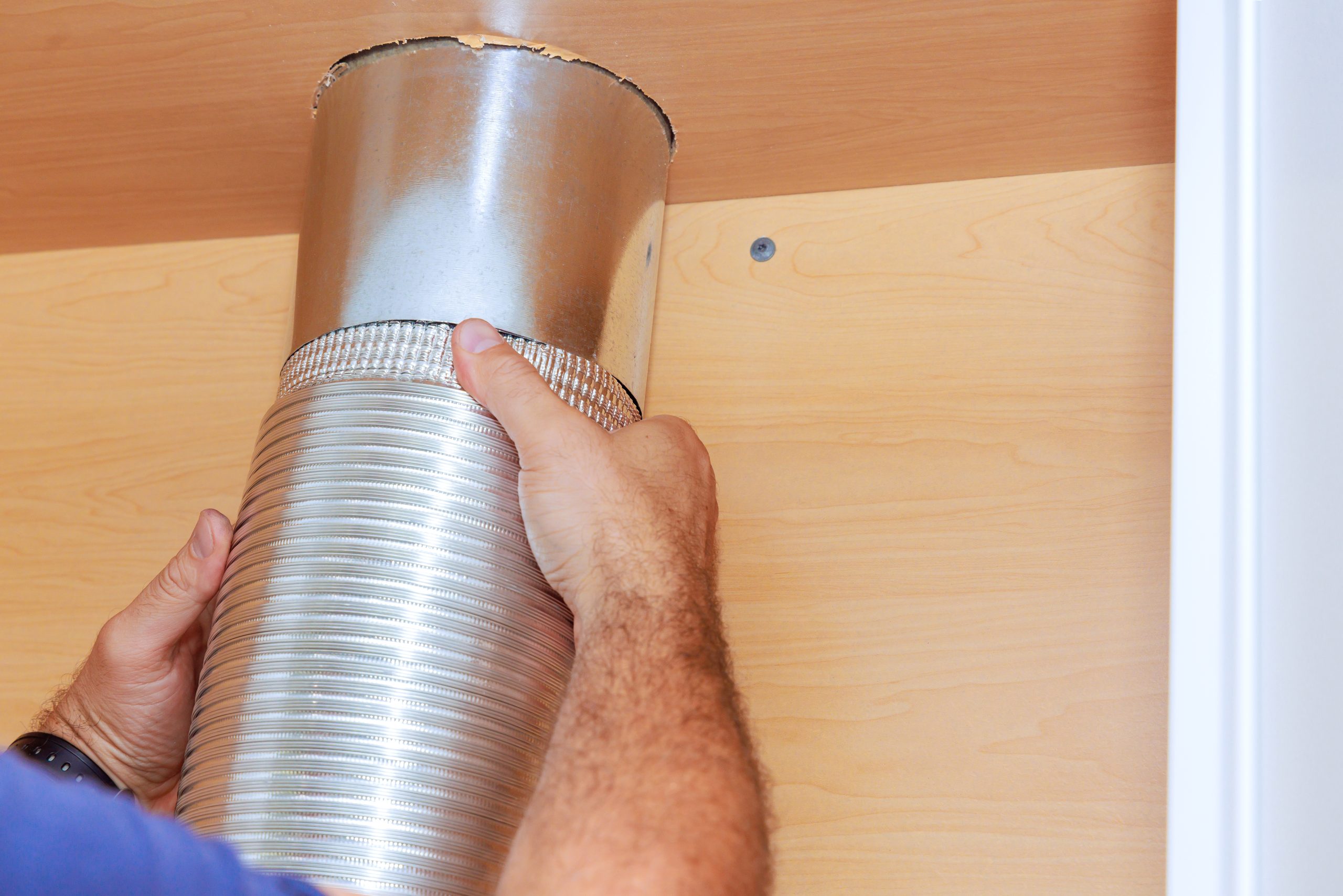
During rough-in, we run ASTM F2158-certified PVC tubing through the wall cavities, floor joists, and ceilings, connecting each planned inlet location back to where the power unit will eventually sit. Inlet backing plates are mounted directly to the studs. Low-voltage wiring is run alongside the tubing. Temporary plaster guards are placed over the backing plates to protect the interior of the pipe while drywall, mud, and paint are completed.
The tubing network is designed around your home’s layout — not just where inlets look good on a wall, but where they’ll actually deliver full coverage. A standard 30-foot hose covers roughly 700 to 1,000 square feet per inlet. For a typical two-story Nassau County colonial, that usually means three or four inlets placed strategically across the home’s footprint. Every turn in the system uses sweep elbows rather than sharp 90-degree angles, which keeps airflow velocity high and prevents suction loss over long runs.
The second visit — trim-out — happens after the drywall, paint, and finish work are done. That’s when we come back to install the inlet valves, connect the power unit, test the system, and hand it over to you fully operational. But none of that is possible without the rough-in happening first, in that specific window, while the walls are still open.
One thing worth knowing: central vacuum pipe is not standard plumbing PVC. Most municipalities, including Nassau County, have adopted ASTM F2158 as part of the building code. Using the wrong pipe — even if it looks identical — creates airflow restrictions, can void your warranty, and may not pass inspection. It’s a detail that matters, and it’s one reason this work belongs with a specialist, not a general contractor trying to figure it out on the fly.
Strategic Inlet Placement for Full Home Coverage
Inlet placement is one of the decisions that separates a well-designed system from one that frustrates you for years. The goal is full home coverage with the shortest possible hose runs — which means thinking carefully about your floor plan before a single piece of tubing goes in.
For most Nassau County homes, that means at least one inlet per floor, positioned near the center of the area it needs to cover. In a two-story colonial with an open-concept main floor, you might place one inlet near the kitchen-living area transition and another at the top of the stairs. Bedrooms can typically be covered from a hallway inlet. The key is that no room should require you to stretch the hose to its limit or drag it around a corner — if you’re fighting the hose, the inlet is in the wrong place.
Inlets need to be positioned between studs, away from plumbing lines, electrical runs, and HVAC ducts. That sounds straightforward, but in practice it requires knowing what’s already been roughed in by the other trades — which is why coordinating directly with the general contractor matters. We’ve worked with contractors across Nassau County on builds in Levittown, Great Neck, Hicksville, and Merrick, and the projects that go smoothest are the ones where we’re looped in early, before the framing inspection, so we can plan inlet locations around what’s already in the walls.
There’s also the Hide-A-Hose option to consider at this stage. The Hide-A-Hose is a retractable hose system that stores entirely inside the wall — you pull it out from the inlet when you need it and it retracts back in when you’re done. No hose to store, no hose to trip over. But it requires a different rough-in configuration: wider tubing, a specific retraction housing, and inlet placement that accounts for the full retracted hose length. That upgrade is essentially only practical during the open-wall phase. It’s not impossible to retrofit, but the complexity and cost make it a now-or-never decision for most homeowners. If you’re building or doing a major renovation, this is the moment to decide.
Installing a Central Vacuum System After Drywall Is Up
Retrofit installation is real, and we do it. Nearly a third of all central vacuum systems installed in the U.S. are retrofits into existing homes. So if you’re reading this after your walls are already closed, you haven’t missed your only chance — but you should understand what changes.
In a retrofit, tubing has to follow available pathways rather than optimal ones. That often means routing through attic spaces, running along basement ceilings, and occasionally making small cuts in finished walls to navigate around obstacles. The system still works, and the air quality and suction benefits are exactly the same. But the installation is more involved, the tubing routes are longer and less direct, and the Hide-A-Hose option becomes significantly more complex to execute cleanly.
Adding Central Vacuum to an Existing Nassau County Home
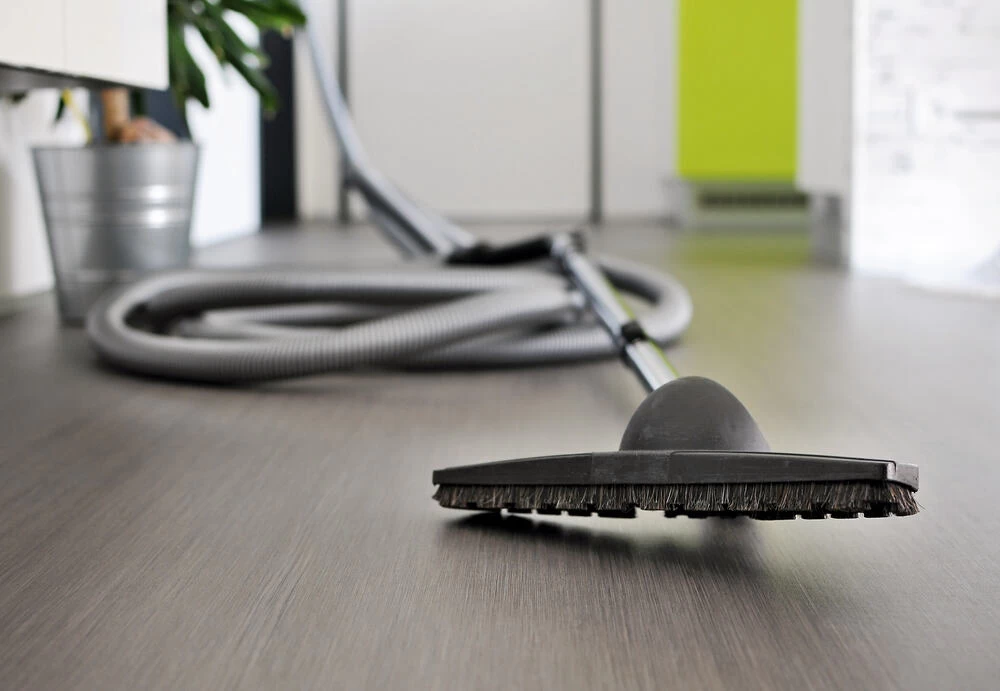
Yes — and homeowners across Nassau County do it regularly, particularly during kitchen and bathroom renovations when walls are already being opened for other reasons. If you’re gutting a kitchen in Merrick or adding a bathroom in Franklin Square, NY, that’s a natural opportunity to run central vacuum tubing through the exposed wall cavities at the same time. It’s not the same as a full new construction rough-in, but it’s far less disruptive than a standalone retrofit.
For homes where no renovation is planned, a retrofit is still entirely feasible. We assess the home’s layout, identify the most efficient tubing pathways, and design a system that delivers full coverage with the least possible disruption to finished surfaces. Most retrofits are completed in less than a day. The structural work is minimal — we’re working through existing access points like attics, basements, and utility chases wherever possible.
What you give up in a retrofit is the clean, fully hidden tubing runs that come from roughing in during construction. In some homes, particularly older ranches in South Valley Stream, NY, or expanded Levittown capes with limited attic access, routing tubing invisibly through every area of the home requires creative problem-solving. It’s doable, but it takes more time and more planning than a rough-in that happens when the walls are already open. The system you end up with works exactly as it should — the difference is in the installation process, not the performance.
One thing that doesn’t change regardless of timing: the health benefits are the same. A central vacuum system generates up to five times the suction of a standard portable vacuum, and because the exhaust is routed outside the living space, it removes allergens from your home rather than recirculating them. A University of California at Davis study found that switching from a conventional vacuum to a central system produced improvements in allergy symptoms ranging from 40% to 61% across all measured categories — sleep, nasal symptoms, eye symptoms, and more. For Nassau County families dealing with Long Island’s spring tree pollen and fall ragweed seasons, that’s not a minor detail.
Coordinating Central Vacuum Rough-In With Your General Contractor
This is the part most homeowners don’t think about until it’s too late. Your general contractor is managing a complicated sequence of trades — framing, HVAC, electrical, plumbing, insulation, drywall. Central vacuum isn’t on their standard checklist. They’re not going to remind you to call us. That responsibility falls on you, and the window is shorter than most people realize.
The right time to reach out is before framing is complete — ideally during the design phase, when inlet locations can still influence wall layout decisions. At minimum, you need to be scheduled before the drywall crew is booked. Once drywall is on the schedule, the rough-in window has a hard close date, and missing it means retrofit pricing, retrofit timelines, and retrofit compromises.
When we come in for rough-in, we work directly with your contractor to fit into the construction sequence without slowing anything down. We’re in after the electricians and plumbers have finished their rough-in work, and we’re out before the insulation and drywall crews arrive. The coordination is straightforward when everyone is looped in early. We’ve done this on custom builds and teardown-rebuilds across Nassau County — in Great Neck, East Garden City, Hicksville, and communities throughout the county — and the projects that go smoothly are the ones where the conversation starts early.
If you’re building a new home or planning a major renovation and you’re not sure whether the timing still works, reach out and ask. We can usually tell you quickly whether the window is still open and what needs to happen to get the rough-in on the schedule.
The Right Time to Call DuraVac, Inc. in Nassau County
If there’s one thing to take away from all of this, it’s that the central vacuum decision has a deadline that most other home decisions don’t. Flooring, fixtures, and paint can wait. The rough-in cannot. Once drywall goes up, you’re working around that fact for the life of the home.
For Nassau County homeowners building, renovating, or even just starting to think about what they want in their next home, the earlier this conversation happens, the better your options are. A system roughed in during construction is cleaner, more efficient, and opens the door to upgrades — like the Hide-A-Hose — that simply aren’t practical to add later.
If you’re in that window right now, or you’re not sure whether you are, DuraVac, Inc. is the right call. We’ve been doing this exclusively — nothing but central vacuum systems — for more than 50 years, and we work directly with contractors and builders across Nassau County to make the rough-in process straightforward. Reach out before the drywall crew shows up. That’s all we ask.