Summary:
Do Central Vacuum Systems Actually Increase Home Value
The short answer is yes, but the real question is by how much and under what conditions. Research shows that central vacuum systems can increase home value by approximately 2.5%, which translates to roughly $2,000 to $18,000 depending on your property’s baseline value. On a $700,000 Long Island home, that’s a potential $17,500 increase.
But those numbers only tell part of the story. The real value comes from how these systems position your home in a competitive market where buyers are increasingly selective and data-driven. When two comparable homes are on the market and one has a central vacuum system, that feature becomes a differentiator that can justify a higher asking price or accelerate the sale.
The system’s impact on value also depends on your local market. In Long Island’s 2026 real estate environment—particularly in areas like Garden City, Huntington, and Port Washington—buyers prioritize indoor air quality and modern conveniences. Central vacuums align with what’s actually driving purchase decisions. They’re not a luxury add-on anymore—they’re becoming an expected feature in well-appointed homes.

Why Buyers Pay More for Homes with Central Vacuum Systems
Understanding why buyers value central vacuums helps you position this feature effectively when selling. It’s not about the vacuum itself—it’s about what the vacuum represents and solves.
First, there’s the indoor air quality factor. Long Island homes deal with seasonal pollen, coastal humidity, mold concerns, and the dust that comes with older construction. Traditional portable vacuums recirculate fine particles back into the air through their exhaust. Central vacuum systems eliminate this problem entirely by venting debris outside the living space. For buyers with allergies, asthma, or young children, this isn’t a nice-to-have feature—it’s a health consideration. Studies show these systems can reduce allergy symptoms by up to 61%, which translates to fewer medications, better sleep, and improved quality of life.
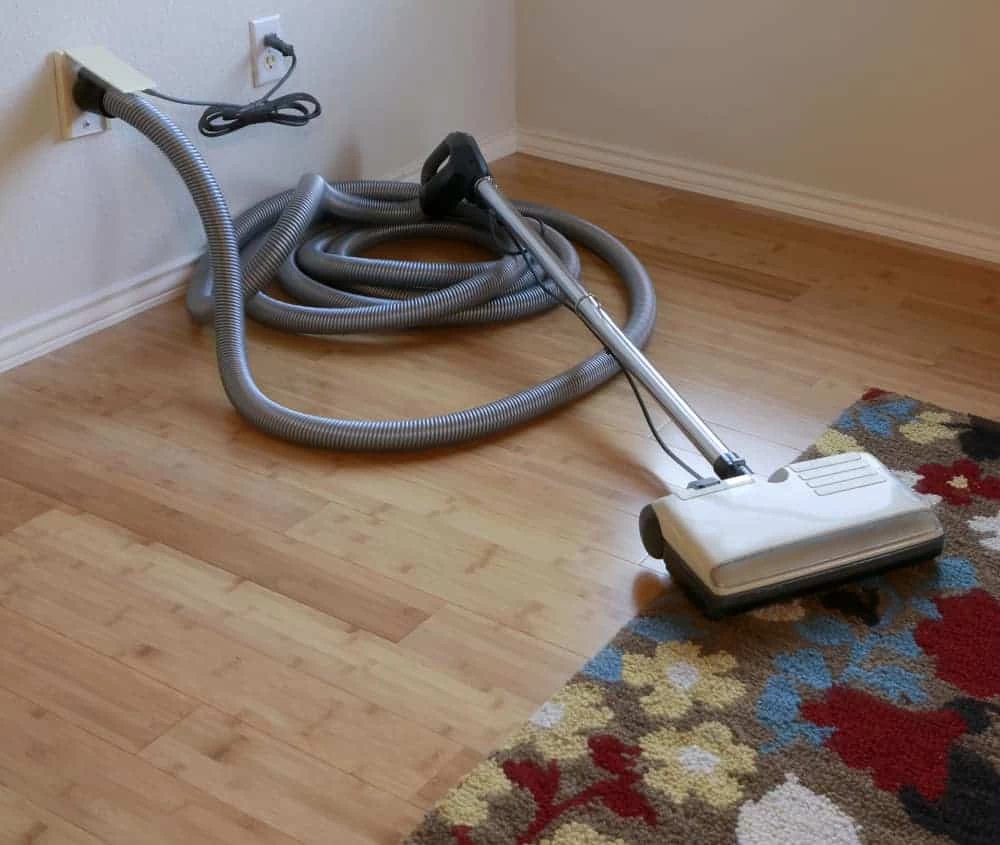
Second, buyers recognize the convenience factor immediately during showings. No hauling heavy equipment up stairs. No tangled cords. No noise disrupting the household. Just a lightweight hose that plugs into wall inlets throughout the home. This resonates particularly with buyers who’ve lived in multi-story homes and understand the physical toll of traditional vacuuming.
Third, there’s the longevity and maintenance aspect. Quality central vacuum systems last 20+ years with minimal maintenance, while portable vacuums typically need replacement every 8-10 years. Buyers doing the math realize they’re inheriting a system that won’t require replacement anytime soon, which factors into their overall value assessment of the property.
Fourth, the system signals that the home has been well-maintained and thoughtfully upgraded. It suggests the seller invested in quality improvements rather than just cosmetic fixes. In Long Island’s current market, where buyers are cautious and scrutinizing every detail, these signals matter.
Finally, central vacuums align with the broader wellness and smart home trends shaping 2026 real estate. Buyers aren’t just looking for square footage anymore—they want homes that support healthier living and offer modern conveniences. A central vacuum system checks both boxes while differentiating your property from comparable listings that lack this feature.
Central Vacuum ROI Compared to Other Home Improvements
Understanding why buyers value central vacuums helps you position this feature effectively when selling. It’s not about the vacuum itself—it’s about what the vacuum represents and solves.
First, there’s the indoor air quality factor. Long Island homes deal with seasonal pollen, coastal humidity, mold concerns, and the dust that comes with older construction. Traditional portable vacuums recirculate fine particles back into the air through their exhaust. Central vacuum systems eliminate this problem entirely by venting debris outside the living space. For buyers with allergies, asthma, or young children, this isn’t a nice-to-have feature—it’s a health consideration. Studies show these systems can reduce allergy symptoms by up to 61%, which translates to fewer medications, better sleep, and improved quality of life.
Second, buyers recognize the convenience factor immediately during showings. No hauling heavy equipment up stairs. No tangled cords. No noise disrupting the household. Just a lightweight hose that plugs into wall inlets throughout the home. This resonates particularly with buyers who’ve lived in multi-story homes and understand the physical toll of traditional vacuuming.
Third, there’s the longevity and maintenance aspect. Quality central vacuum systems last 20+ years with minimal maintenance, while portable vacuums typically need replacement every 8-10 years. Buyers doing the math realize they’re inheriting a system that won’t require replacement anytime soon, which factors into their overall value assessment of the property.
Fourth, the system signals that the home has been well-maintained and thoughtfully upgraded. It suggests the seller invested in quality improvements rather than just cosmetic fixes. In Long Island’s current market, where buyers are cautious and scrutinizing every detail, these signals matter.
Finally, central vacuums align with the broader wellness and smart home trends shaping 2026 real estate. Buyers aren’t just looking for square footage anymore—they want homes that support healthier living and offer modern conveniences. A central vacuum system checks both boxes while differentiating your property from comparable listings that lack this feature.
What Long Island Buyers Actually Want in 2026
The Long Island real estate market in 2026 looks different than it did even two years ago. Buyers are more selective, more informed, and more focused on value rather than just availability. Understanding what’s driving their decisions helps you position your home effectively.
Indoor air quality has moved from a niche concern to a mainstream priority. Buyers ask about ventilation systems, filtration, and how homes handle allergens and pollutants. This shift makes central vacuum systems more relevant than ever—they directly address a concern that’s top-of-mind for today’s buyers.
Buyers also want move-in-ready homes with modern amenities already installed. The appetite for fixer-uppers has declined as renovation costs have climbed and labor availability has tightened. Features that would have been “nice bonuses” five years ago are now expected in well-appointed homes. Central vacuums fall into this category, especially in homes above the $600,000 price point where buyers expect thoughtful upgrades.
How Central Vacuums Fit Long Island's Luxury Home Market
Long Island’s luxury and upper-middle-market homes—roughly $700,000 and above—face specific buyer expectations in 2026. These buyers aren’t just purchasing shelter; they’re investing in lifestyle, wellness, and long-term value. Central vacuum systems align perfectly with these priorities.
The wellness real estate trend has reshaped what luxury means. It’s no longer just about granite countertops and crown molding. Today’s luxury buyers want homes that actively support their health and wellbeing. They’re looking for features like advanced air filtration, circadian lighting systems, and yes, central vacuum systems that eliminate allergens rather than recirculating them.
This demographic also values time. They’re busy professionals, often working from home part-time, managing families, and juggling multiple responsibilities. The convenience of a central vacuum system—no equipment to haul, no setup time, no noise disrupting Zoom calls—resonates strongly with their lifestyle needs.
Location matters too. Long Island’s proximity to Manhattan means many buyers are transplants from the city seeking more space and better air quality. They’re specifically choosing suburban living for health and lifestyle reasons. A central vacuum system reinforces that choice by delivering tangibly better indoor air quality than what they experienced in the city.
The investment mindset of luxury buyers also works in your favor. They’re not looking for the cheapest option—they’re looking for the best value. They understand that quality systems cost more upfront but deliver better long-term results. When you can demonstrate that your central vacuum system is a premium installation that will last decades, you’re speaking their language.
Competition in this price segment is fierce. When multiple homes hit the market in desirable Long Island neighborhoods like Manhasset or Cold Spring Harbor, the ones with thoughtful, wellness-oriented upgrades stand out. A central vacuum system might not be the reason someone buys your home, but it can absolutely be the reason they choose yours over a comparable property down the street.
The appraisal factor matters at this price point too. When homes are pushing toward or above $1 million, appraisers look for features that justify the valuation. Built-in systems like central vacuums carry more weight than portable amenities because they’re permanent improvements to the property. They’re factored into the appraisal in ways that furniture or movable items aren’t.
Smart Home Integration and Modern Buyer Expectations
The 2026 real estate market increasingly values homes with integrated systems rather than standalone features. Buyers want properties where different amenities work together to create a cohesive, modern living experience. Central vacuum systems fit naturally into this framework.
Smart home technology now adds 3-5% to property values according to recent industry data, with homes featuring integrated systems selling faster and attracting more competitive offers. While central vacuums are mechanical rather than digital, they represent the same philosophy: built-in convenience that’s always available and doesn’t require constant setup or maintenance.
Buyers shopping in 2026 have different expectations than previous generations. They’ve grown up with or adapted to technology that simplifies daily tasks. They expect their homes to offer similar conveniences. A central vacuum system delivers on that expectation—it’s always ready, always powerful, and requires minimal effort to use.
The noise factor deserves special attention in today’s work-from-home environment. With many Long Island professionals maintaining hybrid schedules, home offices have become permanent fixtures rather than temporary setups. Traditional vacuums create disruption that’s incompatible with video calls and focused work. Central vacuum systems solve this by locating the motor in the garage or basement, allowing cleaning to happen without disturbing anyone working or studying in the main living areas.
This practical benefit translates directly to showings and buyer perception. When you can demonstrate during a walkthrough that someone can vacuum the living room while someone else takes a call in the home office without any noise interference, buyers immediately understand the value. It’s not theoretical—it’s a problem they face in their current living situation that your home solves.
The maintenance story also resonates with modern buyers. They’re accustomed to products that require minimal upkeep and last for years. When you explain that your central vacuum system needs the canister emptied every few months and that’s essentially it—no filters to replace constantly, no belts to change, no motors burning out—you’re speaking to their desire for low-maintenance living.
Energy efficiency matters to this demographic too, though not in the way you might expect. While central vacuum systems use similar electricity to traditional vacuums, they’re dramatically more efficient in terms of cleaning effectiveness. Buyers recognize that deeper cleaning on the first pass means less frequent vacuuming overall, which translates to time savings and lower energy use over the system’s lifetime.
The resale consideration comes full circle here. Today’s buyers are also tomorrow’s sellers. They’re thinking about which features will hold value and remain desirable when they eventually sell. Central vacuum systems have proven staying power—they’ve been around for decades and continue to add value. They’re not a trend that might look dated in five years. That long-term value proposition appeals to buyers making significant financial investments in uncertain market conditions.
Making the Right Decision for Your Long Island Home
Central vacuum systems offer measurable value in Long Island’s 2026 real estate market, but the decision ultimately depends on your specific situation, timeline, and property. If you’re selling within the next year, the ROI potential is strong, especially in the $600,000+ price range where buyers expect modern amenities. If you’re planning to stay for several years, you get the dual benefit of enjoying the system yourself while building equity for an eventual sale.
The key is understanding that this isn’t just about a vacuum—it’s about positioning your home to meet what buyers actually want right now. Better air quality. Modern convenience. Move-in-ready features. Systems that last. In a market where buyers are selective and inventory is constrained, these differentiators matter.
If you’re considering whether a central vacuum system makes sense for your Long Island property, talking with specialists who understand both the installation process and the local real estate market can help you make an informed decision. We’ve been helping Long Island homeowners navigate these choices for over 50 years, with the expertise to assess your specific situation and recommend solutions that actually deliver value.