Summary:
You clean regularly. You vacuum, dust, and try to stay ahead of it. Yet the sneezing continues, the watery eyes don’t stop, and your kids’ asthma seems worse right after you’ve finished cleaning.
Here’s the reality most people miss: your vacuum might be degrading your air quality, not improving it. Traditional portable vacuums pick up visible dirt while simultaneously blowing microscopic allergens back into the air you breathe. In Nassau County, NY, where modern homes are sealed tight for energy efficiency, those pollutants have nowhere to escape.
Central vacuum systems work fundamentally differently. They remove contaminants from your living spaces and exhaust them completely outside. The difference isn’t just noticeable—it’s clinically measurable, with research showing 40-61% improvement in allergy and asthma symptoms. Let’s examine how this technology actually delivers air quality improvement and why it matters for Long Island families.
Air Quality Improvement Through Central Vacuum Systems
The air inside your Nassau County, NY home is likely more polluted than outside air. The EPA identifies indoor air pollution as one of the top five environmental health risks, with indoor levels typically 2 to 5 times higher than outdoor air—occasionally exceeding outdoor pollution by 100 times.
One cubic foot of indoor air can contain more than 30 million pollutants. That’s 100 times more concentrated than outdoor air.
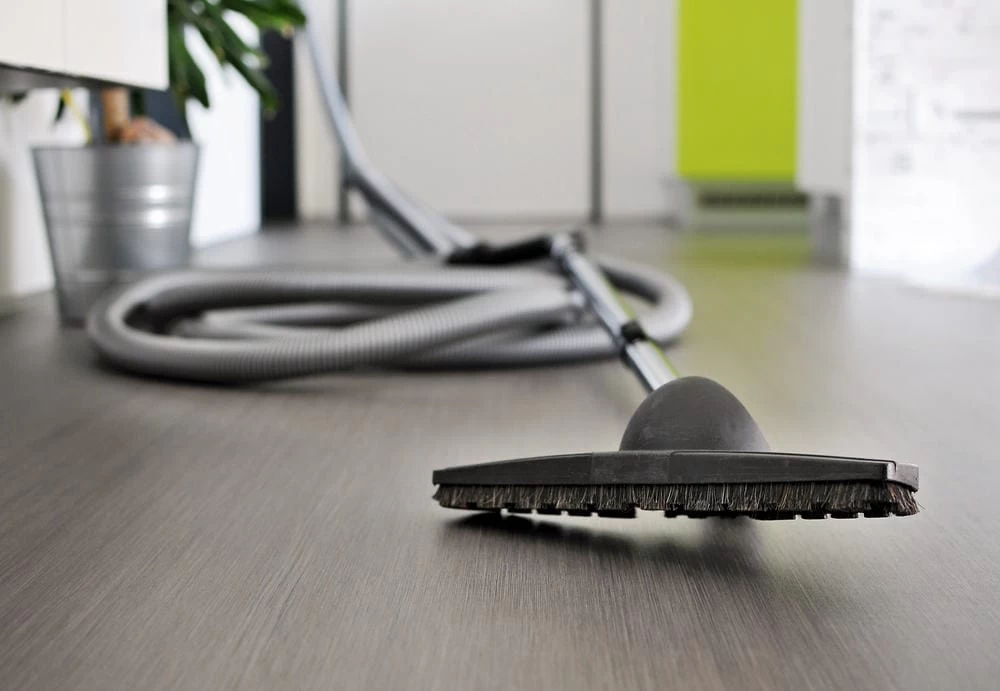
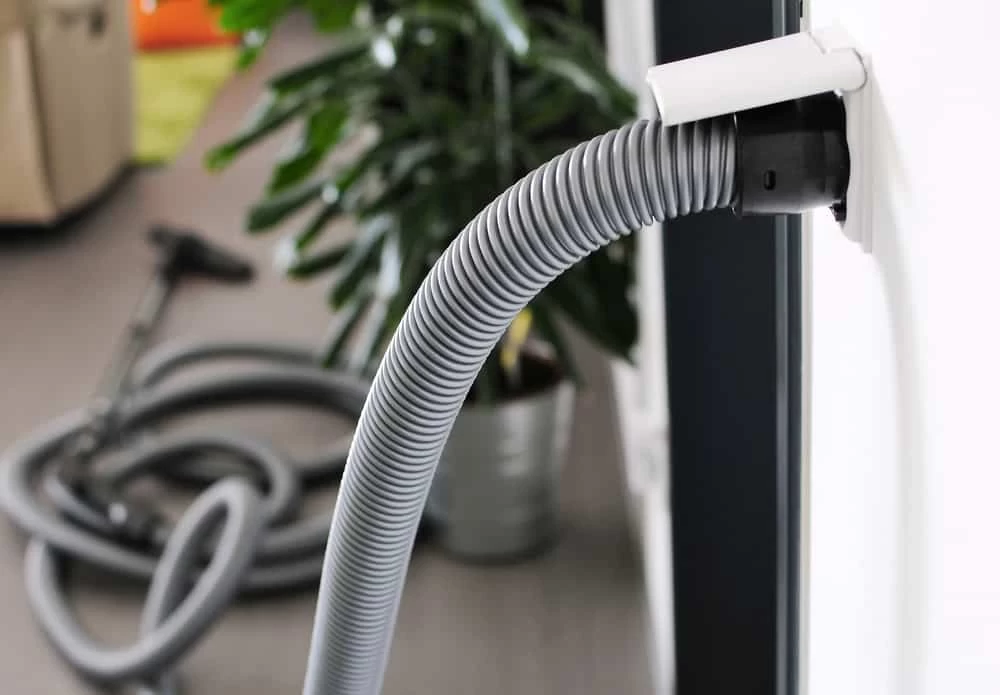
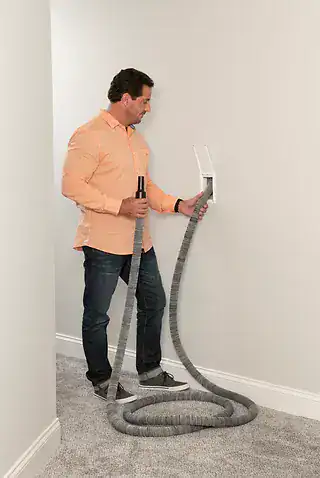
Traditional vacuums actively contribute to this problem. They capture larger particles in bags or filters, but their exhaust systems blow fine dust, pollen, pet dander, and mold spores directly back into your living spaces. You’re redistributing allergens, not removing them. Central vacuum systems eliminate this recirculation by design—the power unit sits in your garage or basement, and everything you vacuum travels through in-wall tubing to a remote collection canister. The exhaust vents completely outside your home, not back into the rooms where your family breathes.
Indoor Air Pollution Sources in Long Island Homes
Indoor air pollution comes from sources you encounter daily without realizing their impact. Dust mites colonize your carpets and bedding—about 40,000 can live in just one ounce of dust. Pet dander becomes airborne every time your dog scratches or your cat grooms itself. Pollen tracked indoors on shoes and clothing settles into fabrics. Mold spores grow in humid areas common to Long Island’s coastal climate.
Eight out of ten Americans are exposed to dust mites. Six out of ten encounter cat or dog dander regularly. These aren’t isolated issues—they’re standard conditions in most homes.
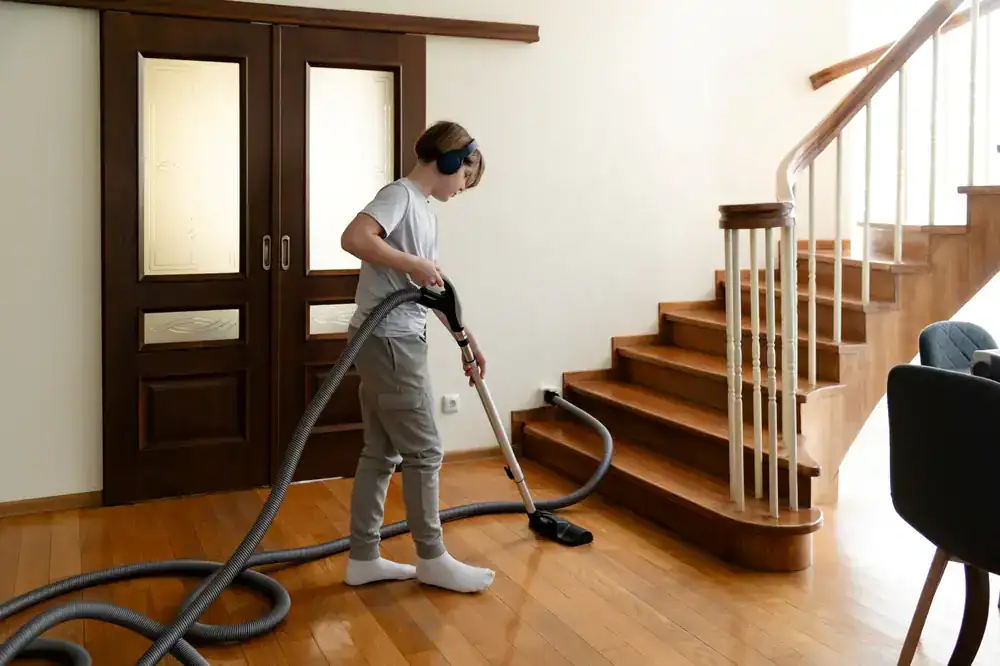
When you vacuum with a traditional upright or canister system, you’re stirring up settled particles. The motor creates airflow that lifts dust into breathing range, making it easier to inhale. Even HEPA-filtered portable vacuums release some particles through exhaust ports. You’ve likely noticed this—that dusty smell lingering after vacuuming, or allergies that worsen immediately after cleaning.
Central vacuum systems solve this recirculation problem entirely. Suction pulls dirt and allergens through the hose, into in-wall piping, and deposits everything in a canister located far from living areas. The motor creating this suction is also remote, meaning exhaust air and any particles it carries vent outside, not into your living room.
The result is measurable air quality improvement. A 2002 University of California-Davis Division of Allergy and Immunology clinical study demonstrated that patients experienced 40% to 61% improvement in allergy and asthma symptoms after switching from portable to central vacuum systems. This isn’t marketing—it’s peer-reviewed medical research documenting real health outcomes.
Home Air Purification Benefits for Nassau County, NY Families
Nassau County, NY presents specific air quality challenges that make home air purification particularly critical. The area experiences moderate outdoor pollution, seasonal pollen reaching extremely high levels, and coastal humidity that promotes mold growth—all contributing to compromised indoor air quality.
Long Island’s spring and fall bring high pollen counts from trees, grasses, and ragweed. That pollen doesn’t stay outside. It enters on clothing, pets, through windows, and on delivered packages, then settles into carpets, upholstery, and bedding where traditional cleaning struggles to extract it.
The American Lung Association notes that people spend 90% of their time indoors. For Nassau County, NY residents, that means the vast majority of your life is spent breathing air likely contaminated with allergens, even in spotless-looking homes. Modern construction emphasizes energy efficiency through tight sealing, which reduces utility costs but traps indoor pollutants with minimal air exchange.
Central vacuum systems provide whole-house air purification addressing this systematically. Every cleaning session removes allergens from the entire indoor environment, not just visible surfaces. The powerful suction—up to five times stronger than portable vacuums—extracts dust mites from deep carpet fibers, pulls pet dander from upholstery, and captures fine particles that trigger respiratory symptoms.
For families managing asthma or allergies, this creates measurable daily improvements. Reduced need for allergy medications. Better sleep without breathing dust mites all night. Less wheezing and coughing, especially in children whose developing lungs are more vulnerable to indoor air pollution. Both the EPA and National Lung Association recognize central vacuum systems as providing definite health benefits, specifically for reducing exposure to dust mites and indoor contaminants.
Indoor Air Pollution: Sources and Solutions for Nassau County
Understanding indoor air pollution sources reveals why complete removal—not redistribution—matters fundamentally. Nassau County, NY homes face pollution from both outdoor environmental factors and indoor lifestyle choices.
Outdoor pollutants entering homes include pollen, mold spores, and particulate matter from vehicle exhaust and industrial sources. These infiltrate through normal activities: opening doors, operating ventilation, and daily foot traffic.
Indoor sources prove even more pervasive. Dust mites thrive in bedding, carpets, and upholstered furniture. Pet dander becomes airborne with every movement. Mold colonizes humid bathrooms, basements, and condensation-prone windows. Volatile organic compounds off-gas from furniture, carpets, paint, cleaning products, air fresheners, and candles. All of these accumulate in sealed, energy-efficient homes with limited air exchange.
Why Traditional Vacuums Fail at Air Quality Improvement
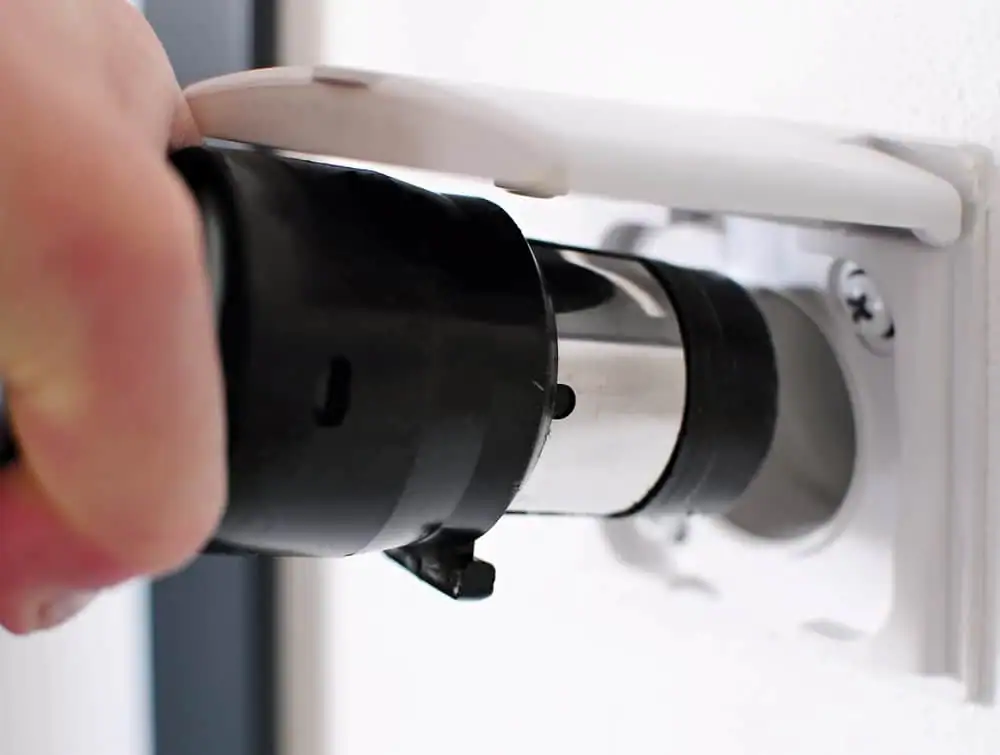
Traditional portable vacuums were engineered to clean floors, not improve air quality. That’s a critical distinction most homeowners miss until understanding how these systems actually function.
Standard upright or canister vacuums position the motor directly in your living space. They intake air with dirt and debris, pass everything through a bag or filter, then exhaust air back into the room. Even premium HEPA filters can’t capture 100% of microscopic particles, meaning fine dust, pollen fragments, and allergen proteins blow back into your breathing zone.
The vacuuming process itself temporarily worsens air quality. As brushes agitate carpet fibers and suction pulls air through the system, settled particles get stirred into the air column. Many people experience this—allergy symptoms intensifying during or immediately after vacuuming, or that characteristic “vacuum smell” which is actually recirculated dust and bacteria.
Portable vacuums also deliver limited suction compared to central systems. Motors must be compact for portability, preventing the deep-cleaning suction needed to extract allergens from carpet padding or upholstery depths. Surface cleaning occurs, but the majority of contaminants remain embedded.
Maintenance creates additional burdens. Portable vacuums require frequent bag or filter changes, belt replacements, and eventual complete replacement when motors fail—typically every few years. Each time you empty a bagless canister or change a bag, you’re exposed to concentrated allergens in an enclosed space. For asthma or severe allergy sufferers, this triggers immediate symptoms.
Central vacuum systems eliminate these limitations entirely. Remote motor placement means zero exhaust enters living spaces. Suction power increases dramatically without portability constraints. Maintenance simplifies to emptying the remote canister a few times yearly, with systems lasting 20+ years with basic upkeep.
Measurable Health Benefits of Central Vacuum Air Quality Improvement
Health implications of indoor air quality extend well beyond occasional sneezing or watery eyes. Prolonged exposure to indoor air pollutants links to serious respiratory conditions, cardiovascular issues, and diminished quality of life.
Children face particularly high stakes. Childhood asthma rates have doubled since 1980, with poor indoor air quality as a significant contributing factor. Developing lungs are more vulnerable to airborne irritants. When children breathe dust mites, mold spores, and allergens daily, it can trigger asthma attacks, worsen respiratory conditions, and potentially contribute to chronic allergy development.
Adults with existing respiratory conditions—asthma, COPD, or allergies—experience measurable symptom improvement when indoor air quality improves. The University of California-Davis study showing 40-61% symptom reduction measured substantial improvements: better breathing, fewer asthma attacks, reduced medication dependence, and improved sleep quality.
Even healthy adults benefit from cleaner indoor air. Better sleep results when you’re not inhaling dust mites nightly. Improved concentration and energy follow from reduced exposure to volatile organic compounds and irritants causing subtle inflammation and fatigue. Long-term poor indoor air quality has been linked to increased cardiovascular risk, suggesting pollutant removal may benefit health beyond respiratory function.
For Nassau County, NY families spending 90% of time indoors according to American Lung Association data, the cumulative effect of breathing cleaner air compounds significantly over months and years. You’re investing in long-term family health outcomes, not just a cleaning system.
Selecting Effective Air Quality Solutions for Nassau County Homes
Real air quality improvement doesn’t come from additional air fresheners or portable purifiers in every room. It requires removing pollutants at the source through effective whole-house solutions addressing root problems.
Central vacuum systems deliver proven, measurable air quality benefits supported by EPA endorsement, clinical research, and decades of documented results. They remove allergens rather than recirculating them. They provide powerful deep cleaning that portable vacuums physically cannot match. They last decades, representing a genuine long-term investment in your home and family health.
For Nassau County, NY homeowners managing allergies, asthma, or general air quality concerns, this technology offers solutions that actually work. Not temporary fixes or marginal improvements, but fundamental changes in how your home’s air quality is maintained.
If you’re ready to breathe cleaner air and create a healthier living environment for your family, we provide the specialized expertise needed. With over 50 years of central vacuum experience and VDTA-certified technicians who understand Long Island homes, we deliver the installation quality and ongoing support that makes these systems perform as intended for decades.