Summary:
You’ve probably seen the little oval inlets built into the baseboard of someone’s home and wondered what they were. Or maybe a neighbor mentioned they had a vacuum system built into their house, and you filed it away as something to look into later. Either way, you’re here now — and the good news is, this isn’t complicated.
A whole house vacuum system is a permanently installed cleaning system that lives inside your walls. No motor in the room with you. No cord to follow room to room. No dust recirculating around your ankles. Here’s everything you need to know — including whether it actually makes sense for the home you have right now.
How a Whole House Vacuum System Actually Works
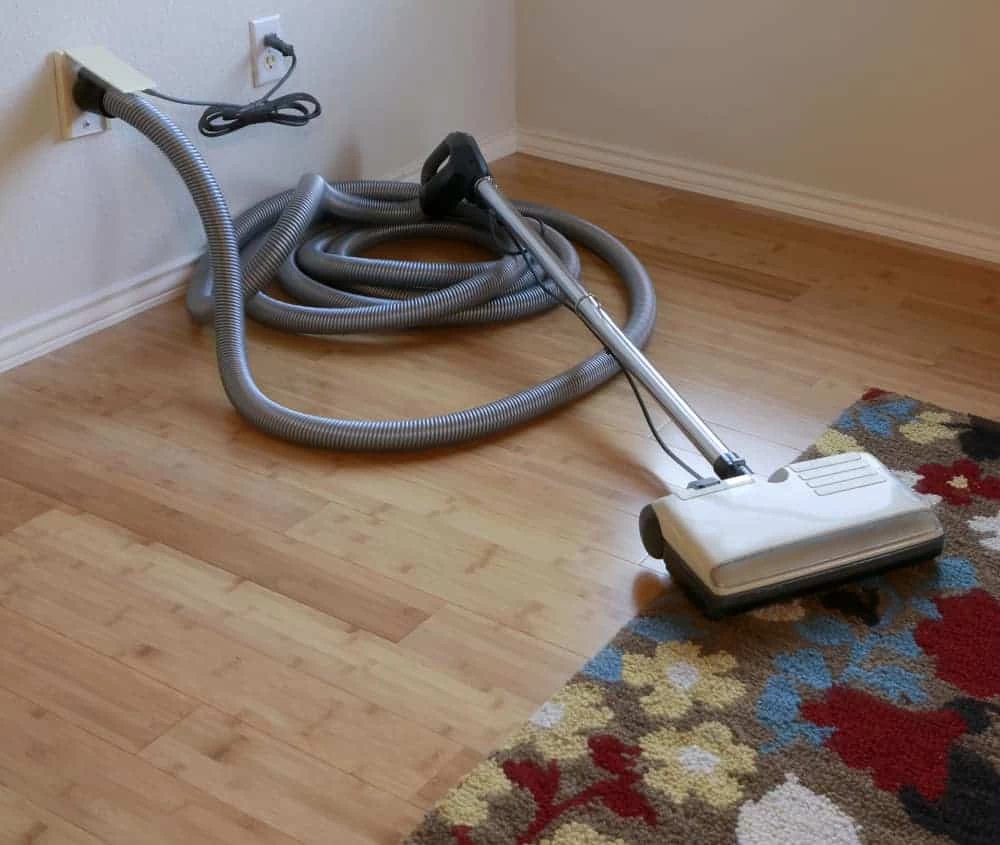
The concept is simpler than it sounds. A central power unit — typically installed in a basement, garage, or utility room — connects to a network of PVC pipes running through the walls of your home. At various points throughout the house, usually near doorways or in hallways, there are small inlet valves built into the wall or baseboard. You plug a hose into one of those inlets, and the system pulls dirt, dust, and debris through the pipes and into the canister at the power unit.
The key difference from a portable vacuum isn’t just the power — it’s where the air goes. With a standard vacuum, the motor sits in the same room you’re cleaning, and even with a quality filter, some of that fine dust gets pushed back into the air around you. A whole house vacuum system vents the exhaust air outside the living space entirely. What gets vacuumed up doesn’t come back.

How an In-Home Vacuum System Differs From a Portable
The honest answer is that it’s a different category of product, not just a stronger version of what you already own. A portable vacuum — even a good one — is a self-contained unit. The motor, the filter, the canister, and the exhaust are all in one place, moving with you through the house. That design has real limits.
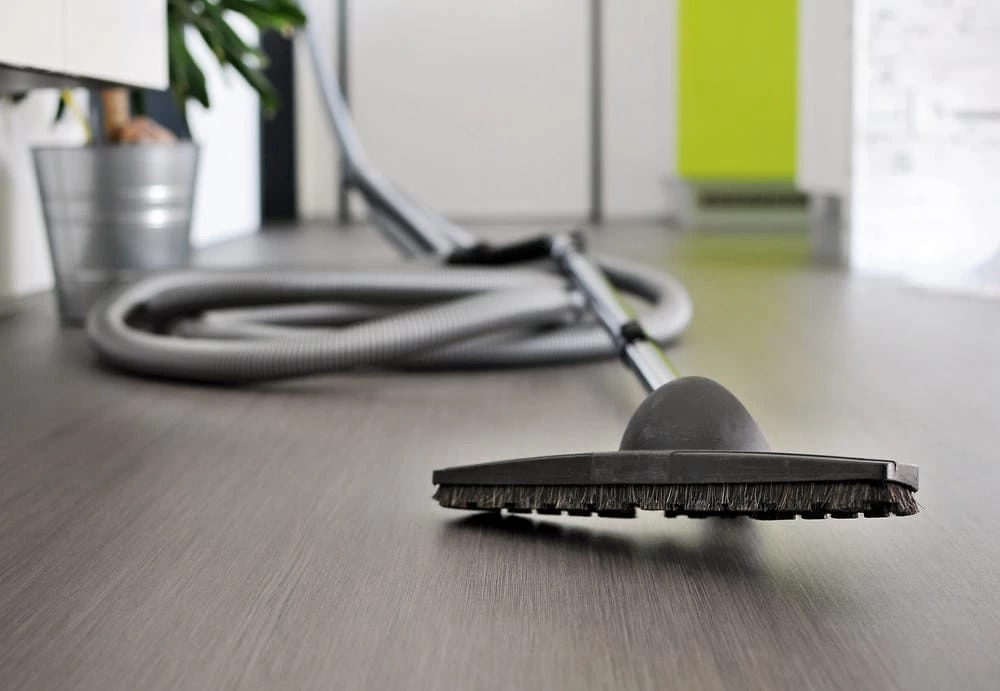
An in-home vacuum system separates the motor from the cleaning. The power unit stays put. The hose travels with you, but it’s lightweight because it’s not carrying any of the mechanical weight. And because the motor can be much larger than anything you’d carry up a staircase, the suction is significantly stronger — up to five times more powerful than a standard upright, according to industry benchmarks.
There’s also the air quality piece, which matters more than most people realize. The EPA has specifically noted that central vacuum systems vented to the outdoors may help people with allergen sensitivities — because the vacuumed air never re-enters the room. Research from the Division of Rheumatology, Allergy and Clinical Immunology at UC Davis found that central vacuum systems can reduce allergy and asthma symptoms by up to 61%. That’s not a marketing claim — it’s a published finding from a medical institution.
For Nassau County, NY homeowners, this is particularly relevant. Long Island’s suburban landscape — mature trees, dense residential lots, proximity to both the Sound and the Atlantic — creates real seasonal allergen exposure. Spring tree and grass pollen, fall ragweed, and year-round dust mites in insulated homes are a consistent reality here. A vacuum system that removes air from the living space rather than filtering and returning it addresses that problem in a way a portable simply can’t.
One more thing worth knowing: a quality central vacuum system lasts well over 20 years with routine maintenance. Most homeowners replace their portable vacuum every few years. Over two decades, the math shifts considerably.
Can You Install a Whole House Vacuum System in an Existing Nassau County Home?
This is the question we hear most often, and the short answer is yes — in most cases, without major disruption to your home.
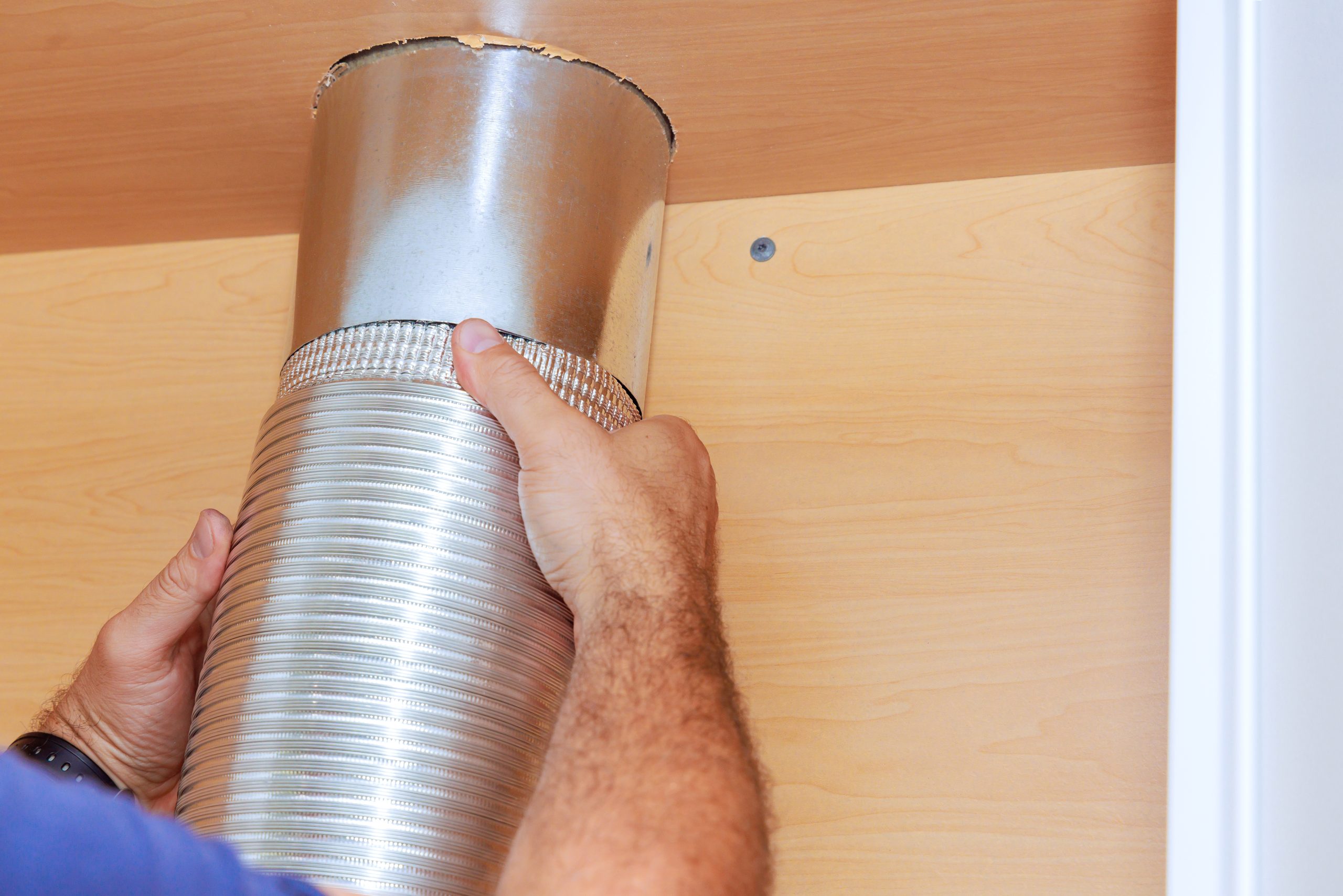
The misconception is that central vacuum installation requires new construction, open walls, or a gut renovation. That’s not accurate. Retrofitting a system into an existing home is a well-established process, and it’s actually the most common type of installation we handle. We route PVC tubing through interior walls, attic spaces, and crawl spaces, connecting each inlet valve to the main trunk line that leads to the power unit. In most homes, the visible work is limited to the inlet covers and the power unit itself.
That said, the age and construction of your home does matter — not as a barrier, but as something an experienced installer needs to account for. Nassau County’s housing stock skews older. A significant portion of homes in towns like Levittown, Hicksville, Franklin Square, and East Garden City were built in the 1950s, 1960s, and 1970s. These homes often have plaster walls, narrower wall cavities, or construction details that differ from newer builds. That’s not a problem — it just means the installer needs to know what they’re doing.
We’ve been working in Nassau County, NY homes for years, and the older post-war suburban construction that defines so much of this area is familiar territory for us. Homes that haven’t been touched in decades and homes in the middle of a full kitchen renovation are both workable — though if you’re already planning a renovation with walls open, that’s genuinely the easiest time to add a system. The installation is cleaner, faster, and less invasive when there’s already construction activity underway.
If you’re not renovating, that’s fine too. A standalone retrofit in an existing Nassau County home is very much possible. Our consultation process is how we figure out the best routing approach for your specific layout before any work begins.
Is an In-Home Vacuum System Actually Worth It?
That depends on what you’re comparing it to — and how you’re thinking about the cost. The upfront investment is real. But so is the 20-plus year lifespan, the elimination of repeated portable vacuum replacements, and the documented health benefits for households with allergy sufferers, pets, or young children.
The more useful question is whether it fits your situation. Not every home needs one. But for a lot of Nassau County, NY homeowners, the combination of an older home, a family household, Long Island’s allergen environment, and a desire to stop hauling equipment up and down stairs makes the case fairly straightforward.
What Nassau County Homeowners Should Know Before Deciding
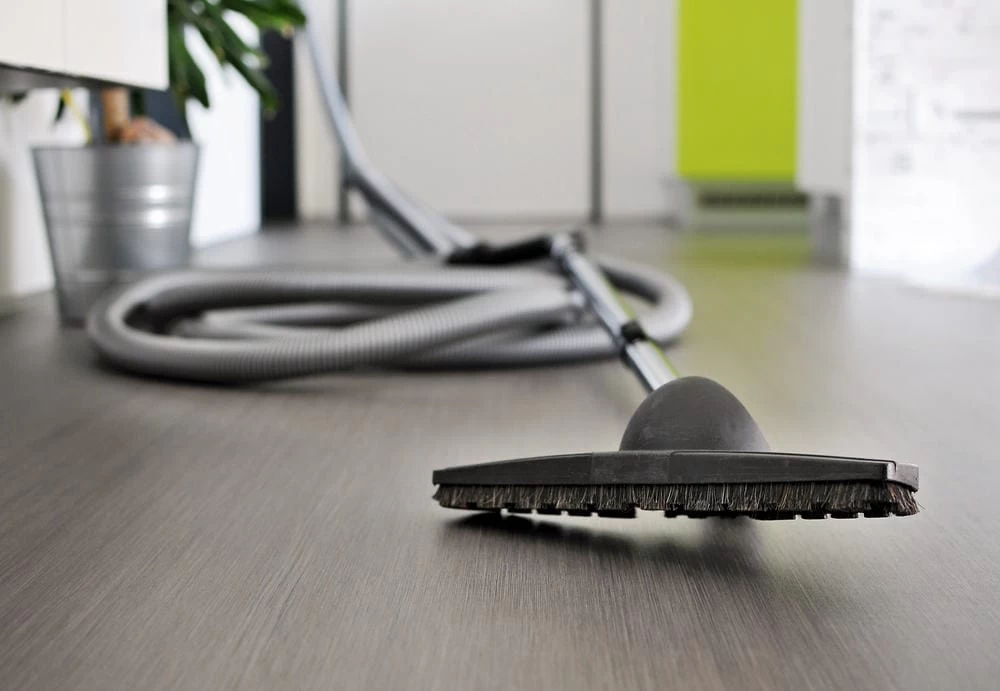
Nassau County has one of the highest homeownership rates in the country — over 80% — and median home values that are more than twice the national average. Homeowners here tend to think carefully about what they put into their homes, and they’re right to. A central vacuum system is a permanent installation that stays with the house. It’s not furniture you take with you when you move.
That framing matters for two reasons. First, it means the system adds to your home’s value rather than depreciating in a closet. Indoor air quality consistently ranks as one of the top priorities for homebuyers, and a built-in system that meets EPA guidance on allergen reduction is a documented selling point. Second, it means the quality of the installation matters. A system installed by someone who knows Nassau County homes — the construction styles, the layout challenges, the local building environment — will perform differently than one installed by a general contractor who treats it as an afterthought.
We also hear from a lot of homeowners who are on the fence because they already have a vacuum they like. That’s a fair position. The comparison isn’t really “this vacuum versus that vacuum,” though. It’s more like comparing a window unit air conditioner to central HVAC. Both cool a room. One is a permanent, whole-home solution that works without you thinking about it. The other requires you to haul it out, set it up, and manage it every time.
For families with pets — and there are a lot of them in Nassau County’s suburban neighborhoods — the convenience factor compounds quickly. Pet hair and dander are among the top reasons homeowners seek out a central system. The ability to grab a hose from a wall inlet, clean up quickly, and walk away without emptying a canister or replacing a filter on the spot changes the daily routine in a way that’s hard to appreciate until you’ve lived with it.
What Is Hide-A-Hose and Why Does It Change the Conversation?
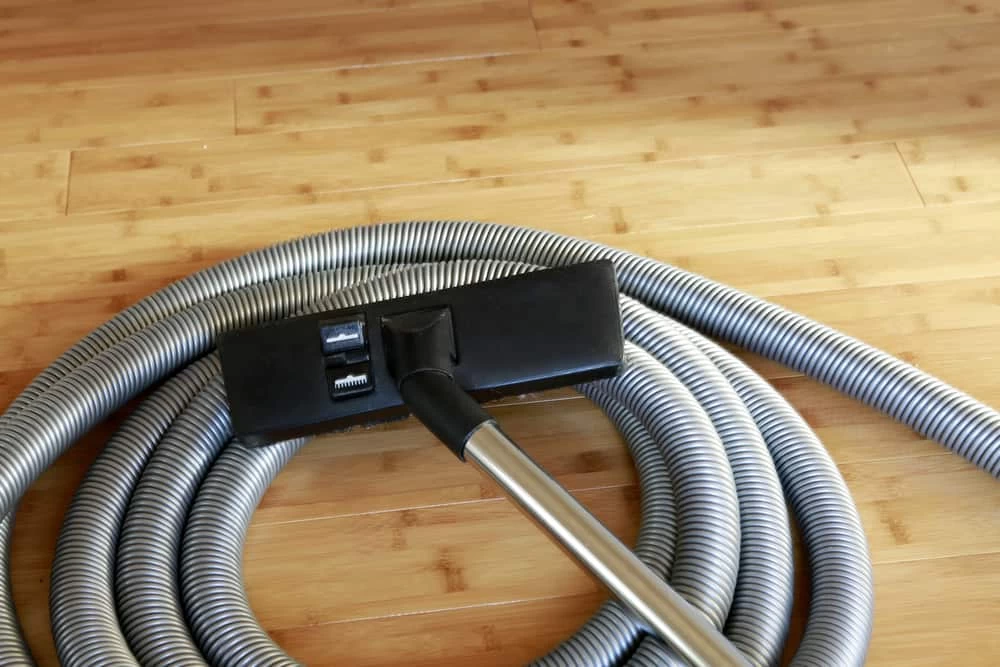
One of the most common objections to central vacuum systems is the hose. Even if the system itself is built into the walls, you still have to store a 30-foot hose somewhere — and carry it from room to room. For some homeowners, that’s enough to pause the whole conversation.
The Hide-A-Hose system addresses that directly. Instead of storing the hose in a closet or cabinet, the hose lives inside the wall. After you finish cleaning, the suction from the power unit retracts the hose back into the PVC tubing where it stays until next time. You pull it out when you need it, lock it into place, attach whatever cleaning tool you’re using, and start. When you’re done, it disappears back into the wall.
It sounds like a novelty, but for homeowners who’ve resisted central vacuum specifically because of the hose management issue, it removes the last real friction point. There’s nothing to coil, store, or trip over. The system is as close to frictionless as a cleaning tool gets.
We specialize in Hide-A-Hose installation, and it’s become one of the most requested features among Nassau County, NY homeowners who are doing a renovation or finishing a basement. If you’re already opening walls, adding a Hide-A-Hose system at the same time is a natural extension of the project. And for existing homes where a retrofit is planned, it’s an option worth discussing during the consultation — because once the walls are back up, adding it later is a bigger undertaking.
It’s also worth knowing that not every central vacuum company on Long Island installs Hide-A-Hose. It requires specific expertise and familiarity with the system’s mechanics. We’ve been working with it long enough to know where it performs best, how to route it properly in older Nassau County homes, and what to watch for during installation to make sure it works the way it should for years to come.
So — Is a Whole House Vacuum System Right for Your Home?
If you’re a Nassau County, NY homeowner with an older home, a family, seasonal allergy concerns, or a renovation already on the calendar, the honest answer is probably yes — it’s at least worth a real conversation.
The system itself is straightforward. The installation is less disruptive than most people expect. The long-term case is solid. And the health benefits, particularly for households dealing with Long Island’s allergen seasons, are backed by research that goes well beyond industry marketing.
If you’re still not sure, that’s exactly what a free consultation is for. DuraVac, Inc. has been doing this work across Nassau County, NY for years — in the older post-war homes, the renovated colonials, the newer builds, and everything in between. Reach out and we’ll give you a straight answer about what makes sense for your specific home.