Summary:
Your central vacuum system can run strong for 20 years. The hose won’t make it that long.
It gets dragged across floors, yanked around corners, stepped on, and stressed at every connection point. That’s why hoses fail long before the power unit does—and why reduced suction doesn’t always mean your whole system is dying.
Sometimes it’s just the hose. The real question: does yours need a simple repair, or is replacement the smarter call? And what does that process actually look like for Nassau County, NY homeowners dealing with worn equipment?
When to Replace Your Central Vacuum Hose
The hose takes more punishment than any other part of your system. That’s not opinion—it’s physics. Every time you clean, it bends, twists, and drags across surfaces.
Suction loss shows up first for most people. You’re vacuuming the same spot twice because dirt won’t pick up. The system sounds different. Cleaning takes longer.
Sometimes damage is obvious—cracks near the handle, splits at the wall end, visible wear where the hose rubs baseboards. Other times the problem hides inside: air leaks you can’t see, electrical shorts you can’t diagnose without testing equipment.

Clear Signs Your Replacement Central Vac Hose Is Overdue
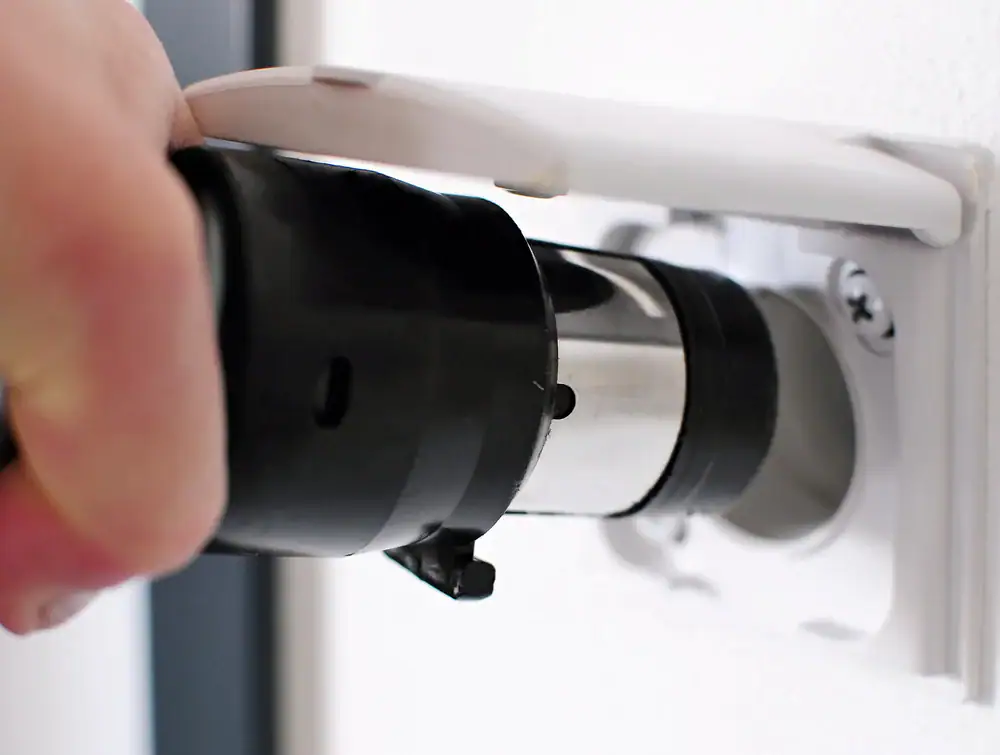
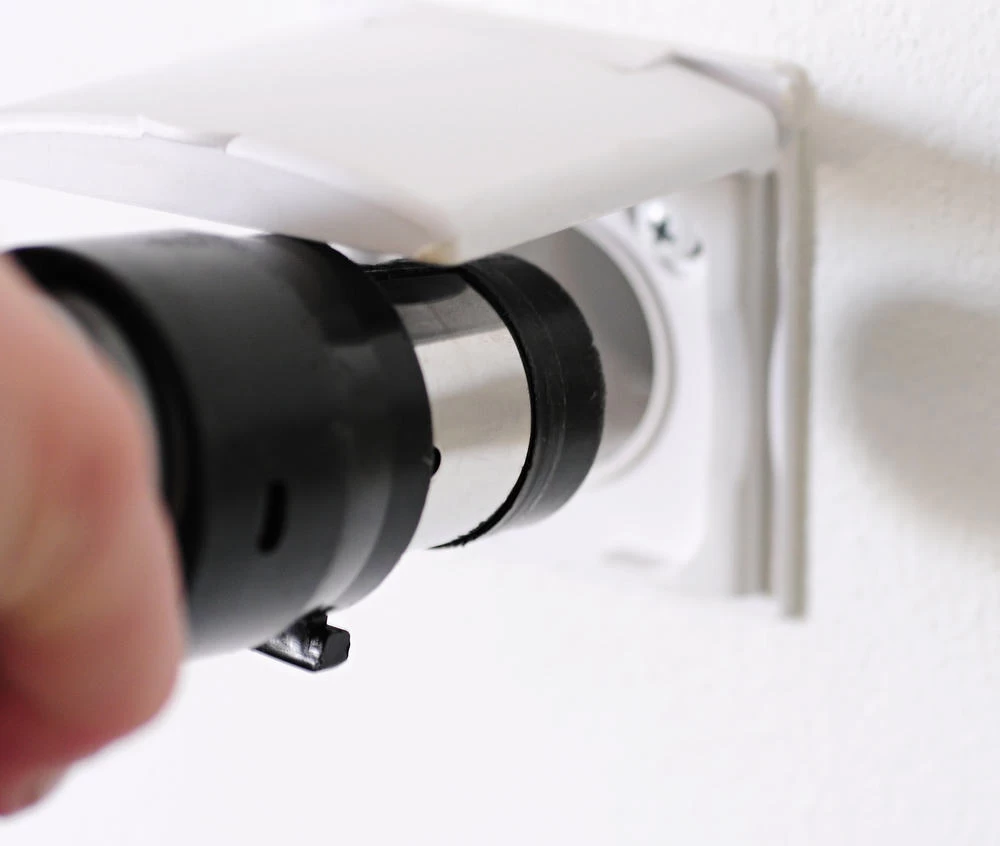
Weak suction at the inlet tells you something’s wrong. Test your system directly at the power unit first. If it pulls strong there but feels weak at the wall inlet, the problem sits between those two points. The hose is usually the culprit.
Check for visible damage along the entire length. Cracks and splits typically appear near the handle or at connection ends where stress concentrates during normal use. Even small cracks create air leaks that kill suction power.
Listen to what your hose is telling you. New noises, air escaping along its length, or harder-than-usual maneuvering all signal approaching failure. Don’t ignore them.
For electric and low-voltage hoses, electrical failures tell their own story. If your hose won’t turn the system on or off, you might just need a switch assembly replacement—a fraction of the cost of a new hose. But if the power brush won’t activate even after switching out the switch, you’re dealing with a high-voltage short circuit inside the hose itself. Those can’t be repaired. The hose needs replacement.
Connection problems compound everything else. Hoses that won’t stay attached to wands, wall ends that don’t seal properly at inlets, constantly fighting loose connections—you’re losing suction and making cleaning harder than it needs to be. Sometimes a new cuff or connector fixes it. Other times, the hose has worn past the point where patches make sense.
Here’s the professional rule: multiple simultaneous issues—reduced suction plus visible wear plus connection problems—mean replacement almost always beats trying to patch repairs together. You’re not just fixing today. You’re preventing next month’s breakdown.
How Long Do Central Vacuum Hoses Last
Your central vacuum system runs 20 to 30 years with proper maintenance. The hose won’t. It’s the most vulnerable component in your setup.
Usage determines lifespan more than age. Daily vacuuming wears hoses faster than weekly cleaning. Homes with pets, kids tracking dirt, or high-traffic areas put more stress on equipment. Nassau County, NY coastal homes face additional challenges—salt air, sand, seasonal pollen—all accelerating wear.
The hose gets walked on, pulled against furniture edges and door frames, bent sharply around corners. It picks up objects it shouldn’t. That adds up fast.
Quality hoses last several years with proper care, but there’s no fixed timeline. Some homeowners replace hoses every five years. Others get a decade from careful use and smart storage. The variation comes down to how you use it and how you treat it.
Watch for performance changes and physical damage rather than counting years. A three-year-old hose showing cracks and losing suction needs replacement. A ten-year-old hose still pulling strong doesn’t.
Consider technology improvements too. Even if your current hose works, newer options offer better ergonomics, lighter weight, or features like swivel handles that make cleaning easier. Sometimes replacement isn’t about failure—it’s about upgrade. That’s especially true if you’re still using a basic hose but your cleaning needs now include carpeted areas that would benefit from an electric hose with a power brush.
One more thing for Long Island homeowners: if your system is 15-plus years old and you’re replacing the hose anyway, have a technician assess everything. Inlet valves, piping, the power unit—all have lifespans. Addressing multiple components at once often beats handling them piecemeal over the next few years.
Types of Replacement Central Vac Hoses
Central vacuum hoses aren’t interchangeable. The type you need depends on your inlet valves and what surfaces you’re actually cleaning.
Three main categories exist: basic hoses, low-voltage hoses, and electric hoses. Each works with different inlet configurations and serves different purposes. Get this wrong and you’ll buy a hose that won’t work with your system—or one that works but doesn’t match how you actually clean.
Your inlet valves determine compatibility. Most systems installed in the last 20 years use standard 2.5-inch diameter inlets, meaning universal hoses fit. But the electrical configuration—whether your inlets have low-voltage contacts or electrical connections—determines which hose type you actually need.
Understanding Basic Low Voltage and Electric Central Vacuum Hoses
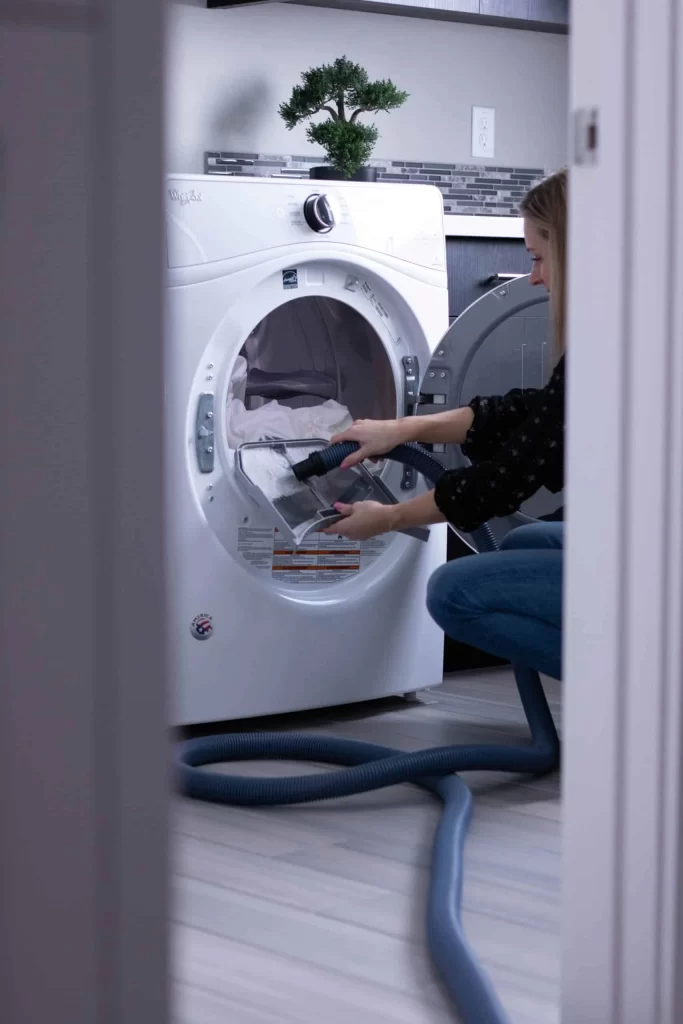
Basic hoses are the simplest option. No electrical wiring. No switches. Plug them into the wall inlet and the system turns on. Unplug them and it turns off. They work great for hard floors, garages, basements, quick cleanups. Lightweight, durable, fewer components that can fail. If you’re mainly vacuuming tile, hardwood, or other non-carpeted surfaces, a basic hose handles it.
Low-voltage hoses add an on/off switch to the handle. Instead of walking back to the inlet every time you want to pause, you control it from the handle. The hose connects to low-voltage contact points inside your inlet valve, sending signals to the power unit. These typically feature ergonomic handles with 360-degree swivel capability, easier on your wrist during extended cleaning. Ideal for homes with mixed flooring where you’re frequently starting and stopping between rooms.
Electric hoses power motorized attachments—specifically power brushes for deep carpet cleaning. These carry both suction and electrical current to run the brush motor. They come in two connection styles: direct connect and pigtail.
Direct connect hoses have a two-pin plug built into the wall end that plugs directly into specially wired electrical inlet valves. Power for your brush head runs through the hose itself. Pigtail hoses achieve the same result differently—they have an external power cord plugging into a nearby outlet while the hose connects to a standard inlet. Many modern electric hoses convert between these configurations, giving you flexibility if you upgrade inlet valves later.
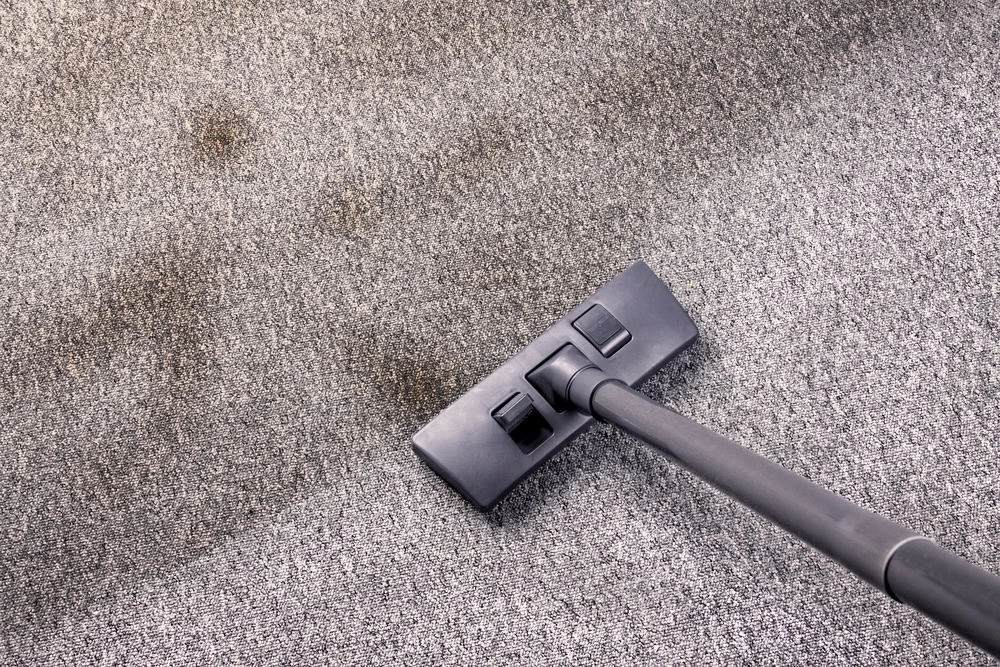
If you have significant carpeted areas in your Nassau County, NY home, an electric hose with a quality power brush makes a measurable difference. The motorized brush agitates carpet fibers in ways suction alone can’t match.
Compatibility matters more than most homeowners realize. You can’t buy any hose and expect it to work. A low-voltage hose won’t function with basic inlet valves lacking electrical contacts. An electric hose with direct connect won’t work if your inlets aren’t wired for it. Professional assessment saves you from buying the wrong replacement.
Choosing the Right Central Vacuum Cleaner Hose Replacement Length
Standard central vacuum hoses run 30 to 35 feet. That length covers significant ground from a single inlet—typically 2-3 rooms depending on layout. Longer hoses exist, up to 50 or 60 feet, but they come with tradeoffs.
Longer means fewer trips switching inlets as you move through your home. You vacuum more area without unplugging and relocating. For larger homes or rooms far from inlet locations, that convenience matters. But longer hoses are heavier, harder to store, more awkward to maneuver in tight spaces.
Your home’s layout should guide this decision. Colonial homes with inlets strategically placed throughout probably need just a standard 30-35 foot hose. Ranch-style homes with fewer inlets covering larger open floor plans might benefit from 40 or 50-foot length.
Handle design affects daily use more than people consider before buying. Ergonomic handles with soft-grip materials reduce hand fatigue during longer sessions. Swivel connections prevent twisting and kinking as you move. Button-lock connections make attaching wands and tools faster and more secure.
Switch placement and design matter on low-voltage and electric hoses. Some switches are easier to operate mid-cleaning. Three-way switches on electric hoses let you control vacuum suction and power brush independently—useful transitioning from carpet to hard floors without stopping entirely.
Crush-proof construction is standard on quality hoses, but materials and build quality vary. Better hoses resist kinking, handle being stepped on without damage, maintain flexibility after years of use. Cheaper options save money upfront but often need replacement sooner because they can’t handle daily wear.
One feature that’s changed the game for Long Island homeowners: retractable hose systems like Hide-A-Hose. Instead of storing a bulky hose in a closet, it retracts into the wall when you’re done. You pull out only the length you need, then let the system’s suction pull it back. If you’re replacing a worn hose anyway and your setup allows for it, upgrading to retractable eliminates storage hassles entirely.
Professional Central Vacuum System Maintenance and Hose Replacement
Replacing a central vacuum hose isn’t rocket science, but getting the right one for your specific system prevents frustration and wasted money. Professional replacement means someone who actually knows central vacuums assesses your inlet types, tests your system, and ensures compatibility before you buy anything.
The assessment catches what you’d miss. Our technicians can determine whether your suction problem stems from the hose, a clog in piping, a failing inlet valve, or a power unit issue. We test electrical connections to see if you need full hose replacement or just a switch assembly repair costing a fraction of the price.
For Nassau County, NY homeowners, local service matters. When your vacuum isn’t working right, you don’t want to wait weeks for parts or struggle through phone trees reaching someone who understands central vacuum systems. You want local expertise that can assess quickly and has parts on hand to fix it.
We’ve serviced central vacuum systems across Nassau, Suffolk, Queens, and Manhattan for over 50 years. Our VDTA-certified technicians specialize exclusively in central vacuums—not as a side service, but as core expertise. We service all brands and models, whether we installed your original system or not.
If your central vacuum hose shows wear, or your system isn’t performing like it used to, professional assessment gives you clarity on the best path forward. Sometimes it’s a simple fix. Sometimes replacement makes more sense. Either way, you’ll know exactly what you’re dealing with and what it takes to restore full power.