Summary:
What Makes Central Vacuum Installation Different From Other Home Projects
Most home improvement projects have some margin for error. Your deck boards don’t need to be perfect. Your paint job just needs to look good. But central vacuum systems operate under constant negative pressure, moving air through a network of sealed pipes at high velocity.
That means every connection point, every joint, every fitting needs to create an airtight seal. A tiny gap that you’d never notice in regular plumbing becomes a massive problem when you’re trying to maintain consistent suction throughout your entire home.
We understand this at a fundamental level. We know that a central vacuum system isn’t just about getting pipes from point A to point B—it’s about creating a sealed air-handling system that maintains performance for 20+ years. That’s a completely different standard than most DIY projects require.

How Airtight Seals Determine System Performance
The airtight seal at every pipe connection determines whether your central vacuum works like it should or struggles from day one. This isn’t about being “pretty close”—it’s about chemical bonding that creates a permanent, leak-proof joint.
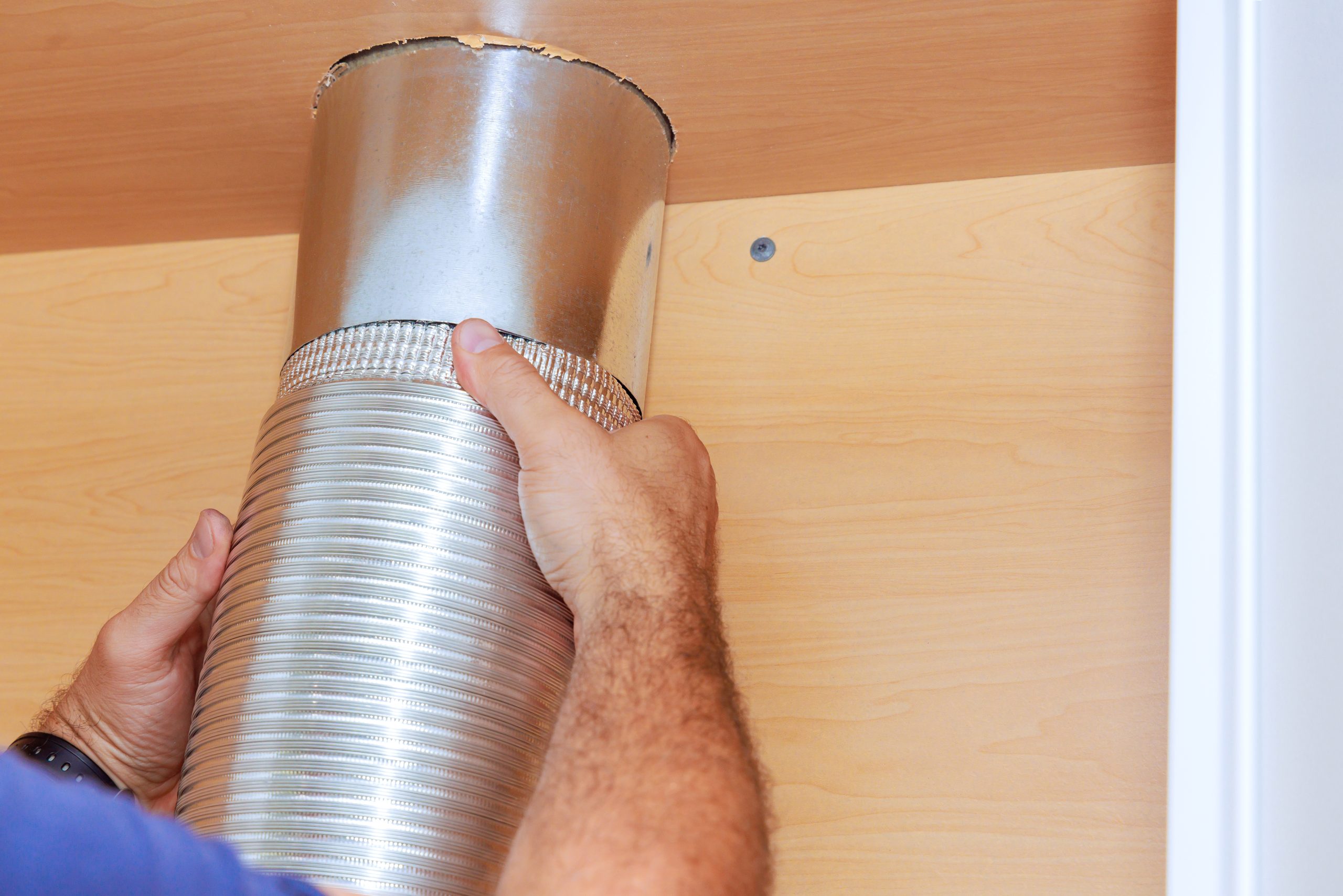
We use PVC solvent cement correctly. We clean both the pipe and fitting thoroughly before application. We apply cement to the tubing only, not the fitting, because cement on the fitting gets pushed ahead and creates rough beads inside that reduce airflow and cause clogs.
We insert the pipe fully into the fitting and twist it a quarter turn to distribute the cement evenly. Then we wipe away excess and let it cure for several hours before testing. Every single connection follows this process.
DIY installers often skip steps. Maybe they don’t clean the surfaces properly. Maybe they apply cement to both surfaces. Maybe they don’t insert the pipe all the way. Maybe they don’t let it cure long enough because they want to finish the project.
Each of those shortcuts creates air leaks. Small leaks reduce suction throughout your entire system. They make the motor work harder, shortening its lifespan. They create weak spots where connections can fail years later.
Here’s what happens in a Long Island, NY home with poor seals: You vacuum your living room and the suction feels weak. You check for clogs and find nothing. The problem is air leaking through six different connections in your basement that you can’t even see. Your motor is running full power, but 30% of that power is being wasted pulling air through gaps instead of pulling dirt through your hose.
Professional installation eliminates this. When connections are properly sealed, your system maintains consistent suction at every inlet. The motor operates efficiently. You get the cleaning performance you paid for. And the system lasts decades instead of failing prematurely.
Why PVC Piping Technique Matters More Than You Think
The airtight seal at every pipe connection determines whether your central vacuum works like it should or struggles from day one. This isn’t about being “pretty close”—it’s about chemical bonding that creates a permanent, leak-proof joint.
We use PVC solvent cement correctly. We clean both the pipe and fitting thoroughly before application. We apply cement to the tubing only, not the fitting, because cement on the fitting gets pushed ahead and creates rough beads inside that reduce airflow and cause clogs.
We insert the pipe fully into the fitting and twist it a quarter turn to distribute the cement evenly. Then we wipe away excess and let it cure for several hours before testing. Every single connection follows this process.
DIY installers often skip steps. Maybe they don’t clean the surfaces properly. Maybe they apply cement to both surfaces. Maybe they don’t insert the pipe all the way. Maybe they don’t let it cure long enough because they want to finish the project.
Each of those shortcuts creates air leaks. Small leaks reduce suction throughout your entire system. They make the motor work harder, shortening its lifespan. They create weak spots where connections can fail years later.
Here’s what happens in a Long Island, NY home with poor seals: You vacuum your living room and the suction feels weak. You check for clogs and find nothing. The problem is air leaking through six different connections in your basement that you can’t even see. Your motor is running full power, but 30% of that power is being wasted pulling air through gaps instead of pulling dirt through your hose.
Professional installation eliminates this. When connections are properly sealed, your system maintains consistent suction at every inlet. The motor operates efficiently. You get the cleaning performance you paid for. And the system lasts decades instead of failing prematurely.
How Professional Installation Protects Your Warranty and Investment
Most quality central vacuum systems come with impressive warranties—lifetime coverage on the power unit canister, 10+ years on motors and electrical components. But here’s what the fine print says: warranty coverage requires professional installation.
Manufacturers know that proper installation determines system lifespan. They’re willing to stand behind their products for decades when professionals install them correctly. They’re not willing to cover systems that fail due to DIY installation errors.
That warranty distinction matters financially. A replacement motor costs $400-800. A new power unit runs $800-1,500. If your system fails in year five because of installation problems, you’re paying for repairs that would have been covered under warranty if a professional had done the work.
What Warranty Coverage Actually Includes With Professional Installation

When we install your central vacuum system in your Long Island, NY home, warranty coverage typically includes the power unit canister for the lifetime of your ownership. Motors and internal electrical components get 10+ years of coverage. Some manufacturers even include labor costs for the first 1-3 years.
That coverage protects you from defects in materials and workmanship. If your motor fails, you get a replacement. If the circuit board stops working, it gets replaced. If any permanently installed component develops problems, the manufacturer handles it.
But warranty coverage comes with conditions. You need to register your system, usually within 30-90 days of installation. You need proof that a licensed professional did the work. You need to follow recommended maintenance schedules. And you can’t have anyone except authorized dealers perform repairs.
DIY installation voids most of these protections. Even if you register the system, manufacturers can deny claims when they discover a homeowner installed it. They’ll point to improper connections, incorrect pipe types, or installation errors as the cause of failure—not defects in their product.
We provide documentation that satisfies warranty requirements. We’re authorized dealers who follow manufacturer specifications. Our work meets building codes and industry standards. When something goes wrong, the warranty actually works.
Here’s a real scenario: Your central vacuum system stops working three years after installation. With professional installation, you call us. We diagnose the problem, determine it’s a motor failure covered under warranty, and replace it at no cost to you except maybe a service call fee.
With DIY installation, you call the manufacturer. They ask who installed it. You admit you did. They tell you the warranty doesn’t apply. Now you’re paying full price for the motor plus labor to install it. That $200 you saved doing it yourself just cost you $600 in repairs.
The warranty protection alone often justifies professional installation costs. You’re not just paying for labor—you’re paying for coverage that protects your investment for decades.
Why System Longevity Depends on Installation Quality
Central vacuum systems should last 20-25 years with minimal maintenance. That longevity depends entirely on installation quality. Properly installed systems run efficiently, require minimal repairs, and maintain performance for decades. Poorly installed systems struggle from the start, require frequent service, and fail prematurely.
Motor efficiency illustrates this perfectly. Your central vacuum motor is designed to move a specific volume of air through sealed piping. When connections leak air, the motor works harder to maintain suction. That extra work generates more heat, wears components faster, and shortens motor life.
A motor that should last 15 years might fail in 8 years because leaky connections forced it to run at higher loads constantly. You blame the manufacturer. But the real problem was installation quality.
We pressure-test systems before finishing. We turn on the unit and listen for hissing sounds around connections. We check suction at each inlet. We verify that the system operates as designed before we leave your home.
DIY installers rarely do this. They finish the installation, test that the motor turns on, and call it done. Small leaks and installation errors go undetected until problems develop later.
Proper installation also affects how well your system handles Long Island’s environmental challenges. Coastal humidity can cause moisture in pipes if they’re not properly sloped and vented. Beach sand requires smooth pipe interiors to prevent accumulation. Seasonal pollen loads demand consistent suction to actually remove allergens instead of redistributing them.
We account for these factors. We understand local conditions and design systems accordingly. We know which inlet locations work best in Long Island homes. We understand how to route piping through typical construction methods used in this area.
System longevity also connects to motor efficiency. When your piping network is properly designed and installed, the motor operates within its intended parameters. It doesn’t strain. It doesn’t overheat. It delivers consistent performance year after year.
The difference shows up in your home’s air quality too. A properly installed system exhausts 100% of contacted allergens outside your home. Leaky systems recirculate some of that dust and debris back into your living spaces—defeating the main reason you installed a central vacuum in the first place.
Long-term value matters. You’re investing in a system that should last as long as you own your home. Professional installation ensures that investment pays off through decades of reliable performance, minimal repairs, and the health benefits you expected when you made the decision to install a central vacuum system.
Making the Right Choice for Your Long Island Home
Central vacuum installation isn’t the place to cut corners. The technical precision required for airtight seals, proper PVC piping technique, and system longevity makes this one of those projects where professional expertise actually saves you money long-term.
Your warranty protection, motor efficiency, and system performance all depend on installation quality. DIY approaches might seem cheaper initially, but they typically lead to reduced performance, frequent repairs, and premature system failure—all while voiding the warranty coverage that would have protected you.
For Long Island, NY homeowners who want a central vacuum system that actually delivers on its promises—cleaner air, powerful suction, decades of reliable service—professional installation from DuraVac ensures your investment performs exactly as intended from day one through year twenty and beyond.