Summary:
You vacuum twice a week. You bought the expensive HEPA model. You change the bag religiously. But your family still wakes up congested, and that layer of dust reappears within days. The problem isn’t your effort. It’s that portable vacuums recirculate fine particles back into the air you just cleaned. A whole house vacuum system eliminates that cycle entirely by removing allergens from your living space instead of just moving them around. Here’s what actually changes when you switch from portable to central.
Whole House Vacuum System vs Traditional Vacuums: Performance Comparison
The performance gap between central and portable systems isn’t subtle. Central vacuum motors deliver 22,000+ Pa of suction compared to 7,000-11,000 Pa from most portable units. That’s not marketing talk. It’s the difference between surface cleaning and actually extracting embedded dirt from carpet fibers.
Portable vacuums lose power as bags fill or filters clog. You’re working harder for weaker results halfway through cleaning. Whole house central vacuum systems maintain consistent suction because the motor doesn’t need to be compact or lightweight. It sits in your basement or garage where size and power aren’t constrained by portability.
For Nassau County, NY homes dealing with beach sand, seasonal pollen, and pet hair, that extra power matters. You’re not making multiple passes over the same spot hoping to pick up what the vacuum missed the first time.

How Central Vacuum Systems Remove Allergens Instead of Recirculating Them
Here’s what happens when you vacuum with a portable unit. Dirt gets sucked into the bag or canister. But fine particles—dust mites, pollen, and pet dander—are small enough to pass through filters. They get blown back out through the exhaust, settling on surfaces you just cleaned. That “vacuum smell” you notice after cleaning? That’s recycled air filled with the allergens your filter couldn’t trap.
Central vacuum systems solve this by design. Everything you vacuum travels through pipes in your walls to a collection unit in your garage or basement. The exhaust vents outside your living space. Nothing gets recirculated back into the rooms where your family breathes. The University of California Davis School of Medicine found allergy sufferers’ symptoms improved up to 61% when using central vacuum systems. That’s not because central systems clean better, though they do. It’s because they remove allergens from your home instead of redistributing them.
For Long Island families dealing with ragweed in fall, tree pollen in spring, and coastal humidity encouraging mold growth, that difference becomes obvious within weeks. You’re breathing cleaner air because the pollutants actually leave your house. Portable vacuums can’t do that no matter how expensive their filtration system claims to be. The motor and exhaust are right there in the room with you, and physics doesn’t care about marketing promises.
This matters especially in modern energy-efficient homes. Your tightly sealed windows and insulation keep heating and cooling costs down, but they also trap indoor air pollutants. The EPA ranks indoor air pollution as one of the top five environmental health risks. One cubic foot of indoor air can contain more than 30 million pollutants—100 times more concentrated than outdoor air. When your vacuum adds to that problem instead of solving it, you’re fighting a losing battle. A whole house vacuum system actually removes what you’re trying to eliminate.
Why Whole House Central Vacuum Systems Deliver More Power with Less Noise
Portable vacuum motors sit right next to you while you clean. They’re loud because they’re working hard in a confined space, and manufacturers have to balance power against noise complaints. You can’t make a portable motor much bigger without making the whole unit too heavy to push around. That design limitation caps how much suction they can generate.
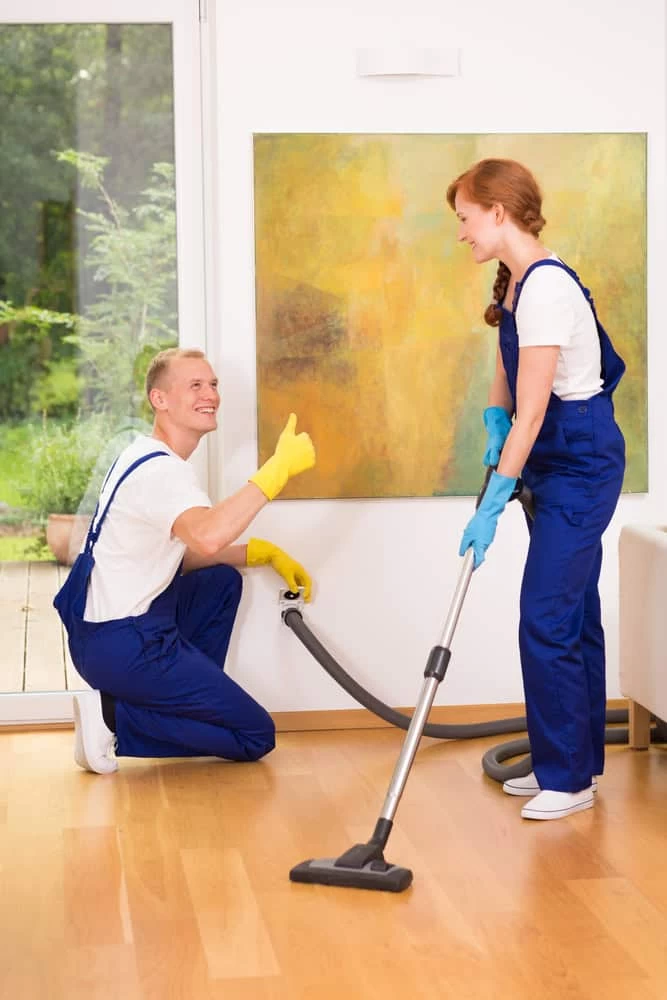
Central vacuum motors don’t face those constraints. They’re mounted in your garage or basement where noise doesn’t matter and weight isn’t an issue. Manufacturers can use larger, more powerful motors that would be impractical in a portable unit. You get industrial-strength suction without the industrial-strength noise. The only sound you hear while cleaning is air moving through the hose. That’s it.
This changes how and when you can clean. You’re not waiting until everyone’s awake to avoid disturbing sleeping family members. You’re not competing with the TV volume or interrupting conversations. The motor’s running at full power in the basement, but upstairs it’s quiet enough to vacuum while someone’s on a phone call in the next room.
Nassau County, NY homeowners with finished basements often add an inlet to serve that space. The motor’s already down there, so you get the same powerful cleaning on every level without hauling equipment up and down stairs. No more deciding which vacuum to keep on which floor or making multiple trips to move your one good unit around. The convenience compounds when you consider storage. Portable vacuums take up closet space on every floor you want to keep them accessible. Central systems need wall inlets that are barely noticeable and a hose you can hang in any closet or, with Hide-A-Hose systems, store completely inside the wall. You’re reclaiming storage space while gaining cleaning power.
House Vacuum System Installation: Requirements and Process
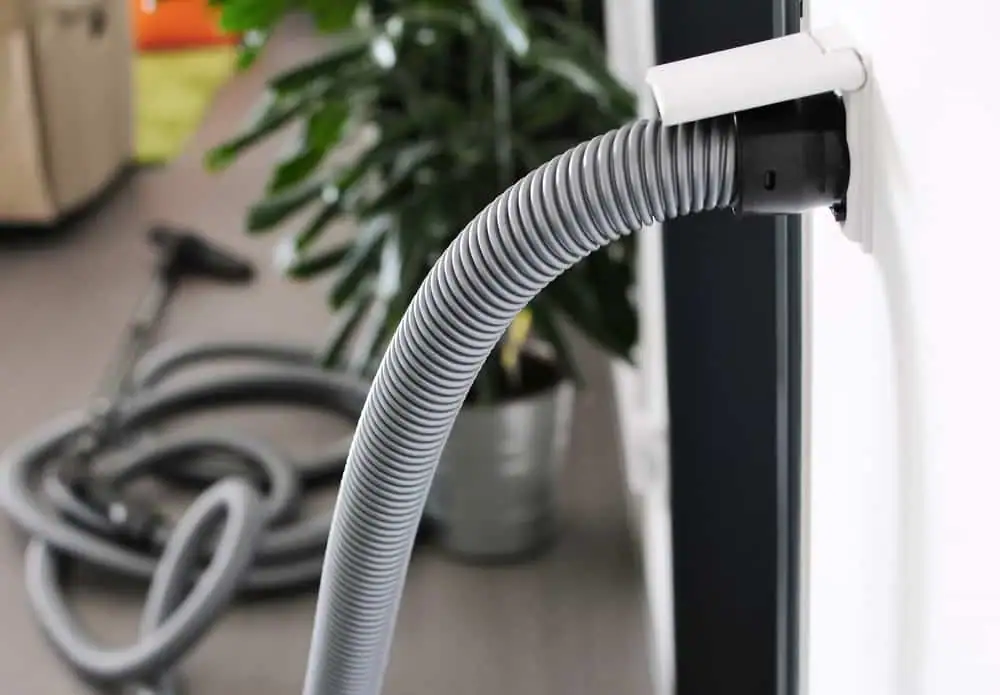
The biggest misconception about central vacuum installation is that it requires tearing apart your walls. It doesn’t. We run pipes through existing spaces—basements, attics, crawl spaces, and the gaps inside walls. The only visible change is the inlet valves, which look like electrical outlets and sit flush with your wall.
Installation in existing Nassau County, NY homes typically takes one day for most layouts. New construction makes it even simpler because pipes go in before drywall. But retrofit installations are straightforward when handled by experienced technicians who understand how Long Island homes are built.
The process starts with planning inlet locations. One inlet with a 30-foot hose covers about 700-1,000 square feet. Most homes need 2-4 inlets to reach every area. The power unit goes in your basement or garage within three feet of an electrical outlet and with at least eight inches of ceiling clearance for ventilation.
What Installation Actually Involves for Nassau County Homes
We start by mounting the power unit in the location you’ve chosen together. This is usually your basement, garage, or utility room where the motor noise won’t reach living areas. The unit needs a standard 120V outlet and enough space around it for air circulation and maintenance access. It’s a permanent fixture, like your water heater, that you’ll rarely think about once it’s installed.
Next comes the piping layout. Two-inch PVC pipes run from the power unit to each inlet location. In single-story homes, pipes typically run through the crawl space or attic. Multi-story homes require more planning, but we route pipes through closets, utility chases, or the spaces between floors. The goal is keeping runs as short as possible while reaching all planned inlet locations. Shorter runs mean better suction and fewer potential issues down the line.
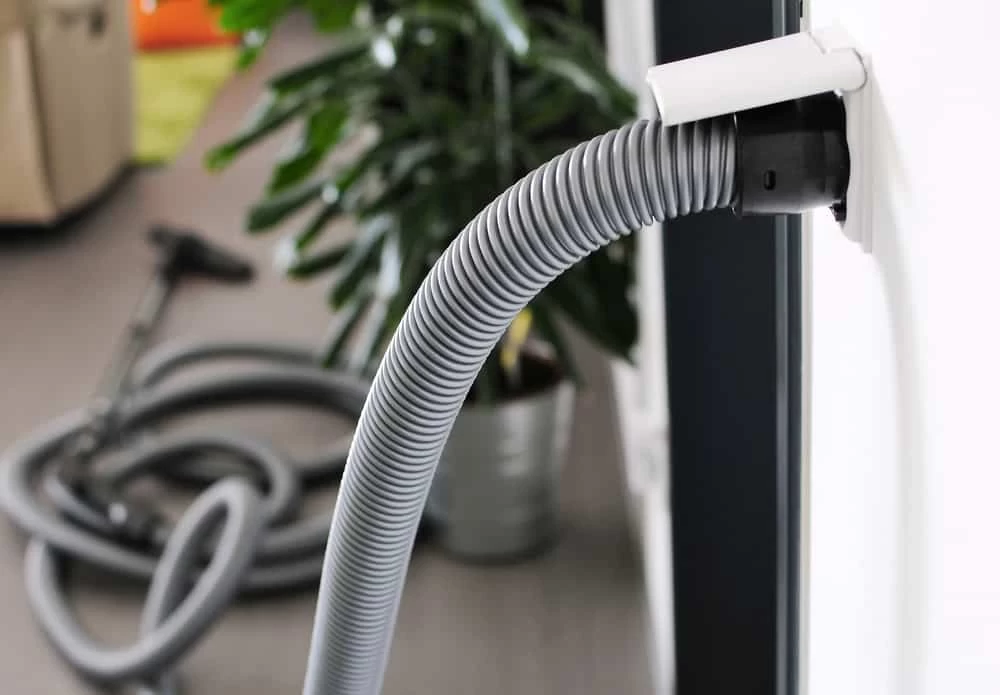
Inlet valves get installed at strategic points around your home. These mount flush with the wall at a convenient height, usually 12-18 inches from the floor. We cut a small hole, connect the pipe, and secure the valve plate. When you’re not using it, it looks like a covered outlet. When you need to vacuum, you plug in the hose and the system activates automatically through a low-voltage wire that runs alongside the piping.
The entire system connects back to the power unit where dirt collects in a canister or bag. Most homeowners empty this every 2-3 months depending on home size and use. That’s dramatically less frequent than portable vacuums that need emptying after every few rooms. The larger capacity means less maintenance and fewer interruptions to your cleaning routine.
For Long Island homes with finished basements, installation requires extra attention to avoid damaging completed work. We know how to work around finished spaces, using existing utility runs and access points to minimize any impact on your completed renovations. Our Nassau County, NY customers consistently mention being impressed that the work left their finished spaces exactly as they were before. That level of care matters when you’re inviting contractors into your home.
Hide-A-Hose Systems and Modern Installation Options
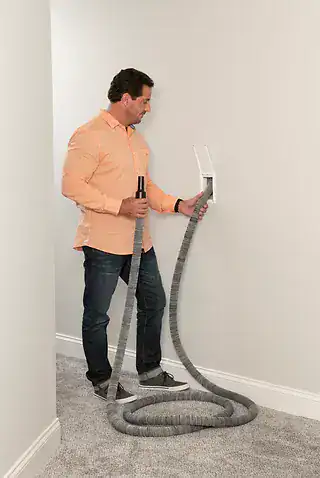
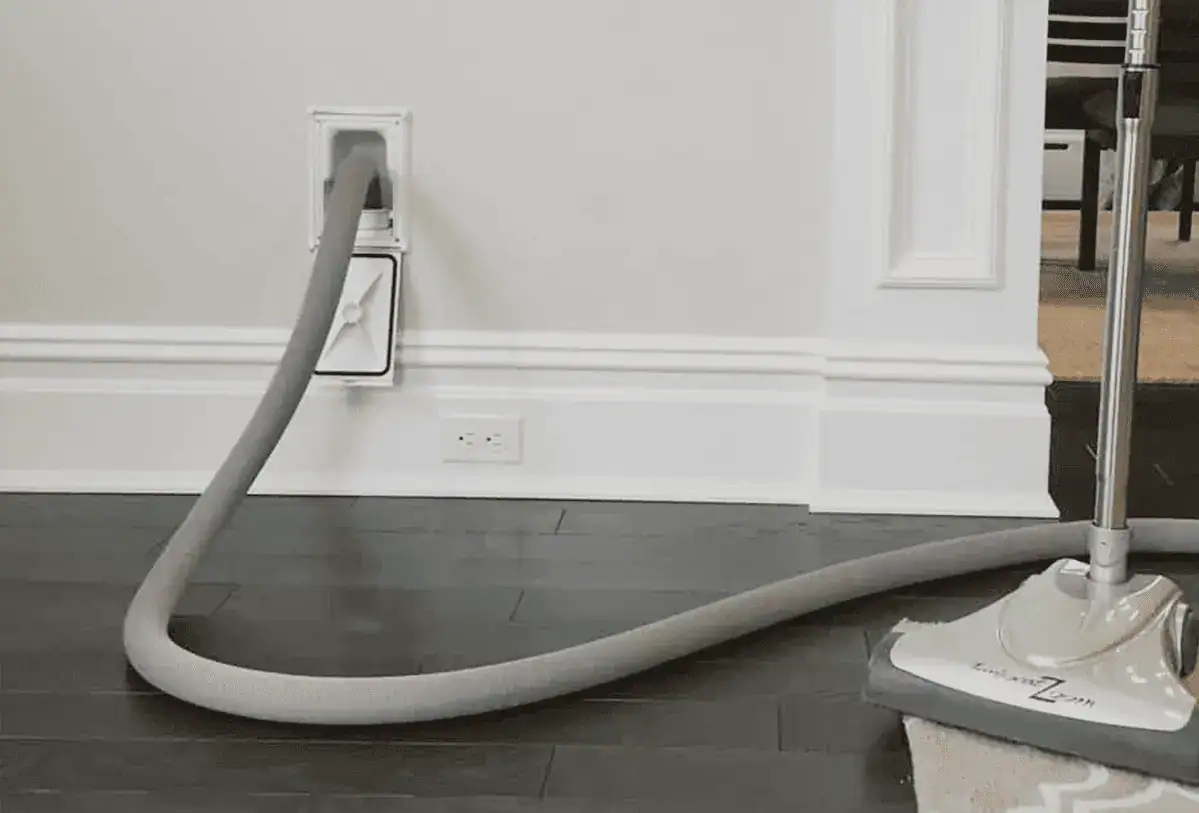
Traditional central vacuum systems require you to carry a hose from inlet to inlet as you clean different areas. Hide-A-Hose systems eliminate even that minor inconvenience. The hose stays inside your wall until you need it. You pull out the length you need, clean, and when you’re done, the suction retracts it back into the wall automatically. Nothing to carry. Nothing to store.
One 50-foot Hide-A-Hose inlet covers approximately 2,300 square feet. Many Nassau County, NY homes can cover their entire main floor with a single Hide-A-Hose installation and standard inlets for upper floors. You’re getting whole-house coverage with minimal visible equipment and maximum convenience. When you’re finished cleaning, nothing’s left out. The hose disappears back into the wall, and your space stays uncluttered.
Installation for Hide-A-Hose requires specialized piping and wall plates designed for the retractable system. The cost is higher than traditional inlets—typically $1,500-$2,500 more for the system—but many homeowners find the convenience worth the investment. You’re never storing, carrying, or managing a hose. It’s there when you need it and invisible when you don’t. For homes where aesthetics matter or where you simply want the most convenient option available, Hide-A-Hose delivers.
Another popular option is the VacPan, a toe-kick inlet installed at floor level in your kitchen. Instead of getting out the vacuum for small messes, you sweep debris toward the VacPan, tap it open with your foot, and the dirt disappears into the system. It’s the feature that gets used daily even when you’re not doing a full cleaning session. Crumbs from meal prep, tracked-in dirt from the back door, or pet food spills all get handled in seconds without pulling out any equipment.
These modern additions to central vacuum systems address the small friction points that make cleaning feel like a chore. When it’s this easy to deal with messes as they happen, your home stays cleaner with less effort. That’s the real benefit beyond the performance numbers. Cleaning becomes something you do naturally throughout the day instead of a dedicated task you have to schedule and prepare for.
Choosing the Right House Vacuum System for Your Nassau County Home
The comparison between central and portable vacuum systems isn’t close. Central systems deliver 3-5 times more suction, remove allergens instead of recirculating them, operate quietly, last 20+ years, and increase your home’s value. Portable vacuums are cheaper upfront and require no installation. That’s the tradeoff you’re weighing.
For Nassau County, NY families dealing with allergies, pet hair, or simply wanting a cleaner home with less effort, whole house central vacuum systems solve problems portable units can’t address. You’re investing in equipment that works better and lasts longer while making your daily life easier. The health benefits alone—particularly for homes with asthma or allergy sufferers—justify the investment for many families.
If you’re ready to stop fighting with inadequate equipment and start actually removing allergens from your home, we bring over two decades of specialized central vacuum experience to Nassau County, NY installations. We understand how Long Island homes are built and what local families need from their cleaning systems.